
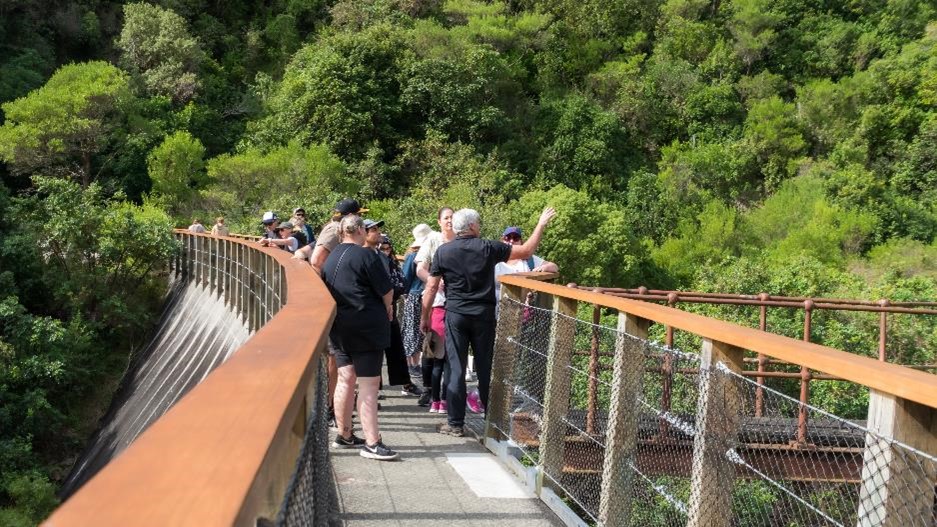
Brook Waimārama Sanctuary: Complete Guide to Nelson’s Premier Wildlife Attraction
Quick Summary
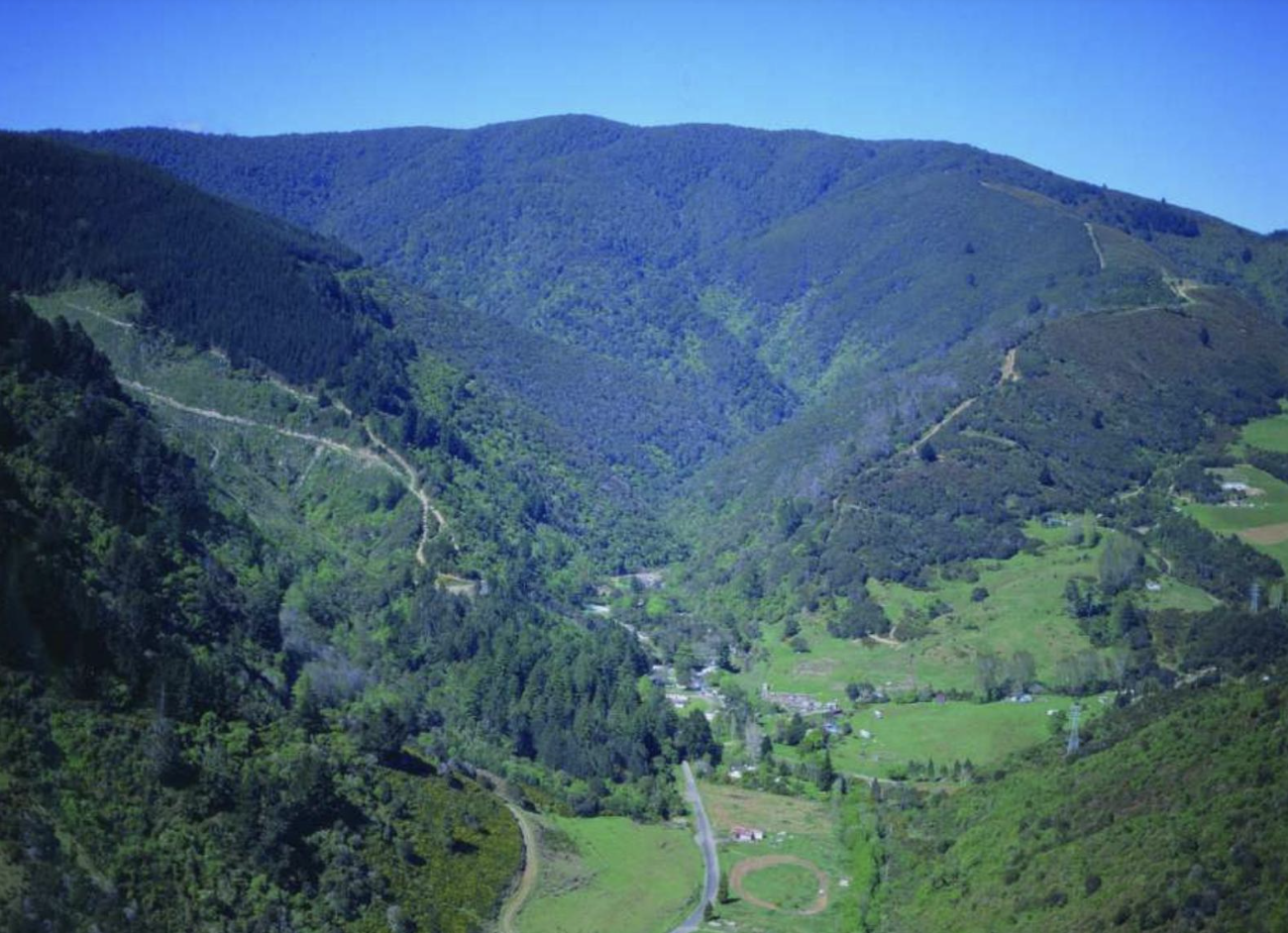
Brook Waimārama Sanctuary is the South Island’s largest fenced wildlife sanctuary, protecting 690 hectares of native forest just 10 minutes from Nelson city centre. The pest-free sanctuary is home to kiwi birds (kiwi pukupuku), the world’s largest population of critically endangered kākāriki karaka (orange-fronted parakeets), tuatara, and a wide range of native flora and fauna.
Best known for: possible kiwi bird encounters on night tours, glow worm displays, best walks in Nelson, endangered species conservation
Target visitors: Nature lovers, families, hikers, wildlife enthusiasts, photographers, school groups
Last Updated: February 2026
Location: 651 Brook Street, The Brook, Nelson 7010, New Zealand
Distance from Nelson: 10 minutes (5-6 km)
Type: Wildlife sanctuary, nature reserve, eco-sanctuary
Why Visit? One of the Top Things to Do in Nelson
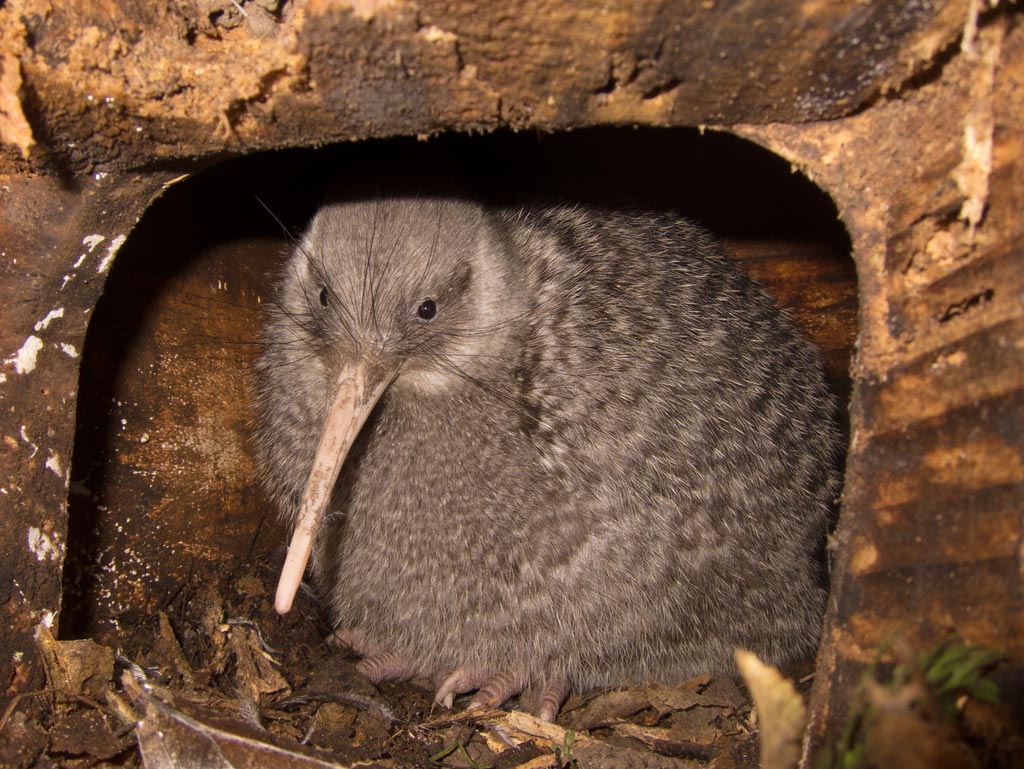
1. Possibly encounter Kiwi Birds on a Night Tour
Brook Waimārama is one of the best places in mainland South Island to have the chance to encounter wild kiwi birds.
Night Tour Details:
- Best chance to hear kiwi calling and possibly observe them foraging
- Glow worm displays in open forest
- Expert guides explain kiwi ecology and conservation
- Bookings essential (limited availability)
- Note: Wildlife sightings cannot be guaranteed in this natural environment
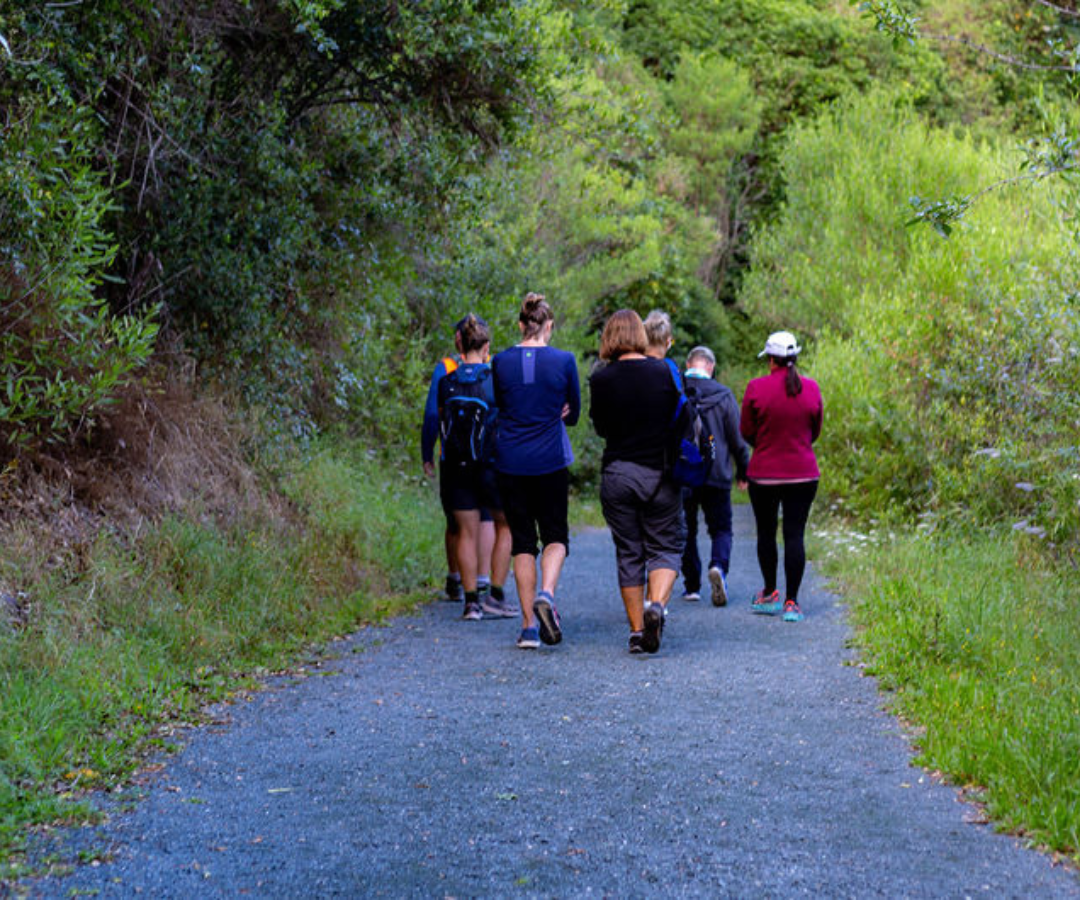
2. Best Walks in Nelson (15km of Trails)
Loop Track (45 minutes)
- Wheelchair and pram accessible
- Gentle, family-friendly
- Interpretive signage and artwork
- High native bird activity
- Most popular walk
Challenging Day Walks:
- Various half and full day walks
- Some are on challenging and steep terrain
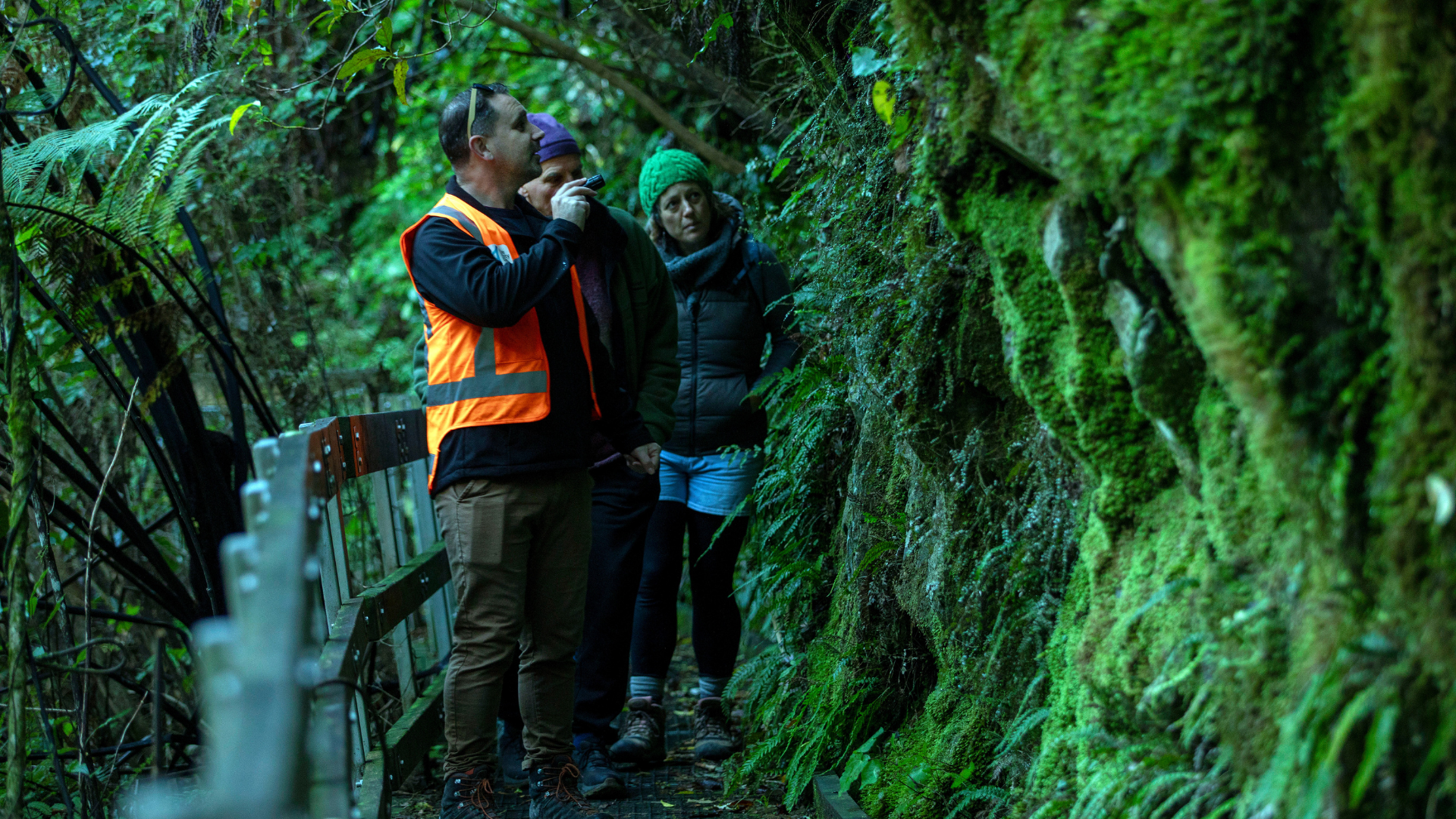
- Stream crossings on some tracks (expect wet feet)
- Prepare and leave plenty of time for your walk
- Ask the team at the Visitor Centre for the latest trail information
Trail Features:
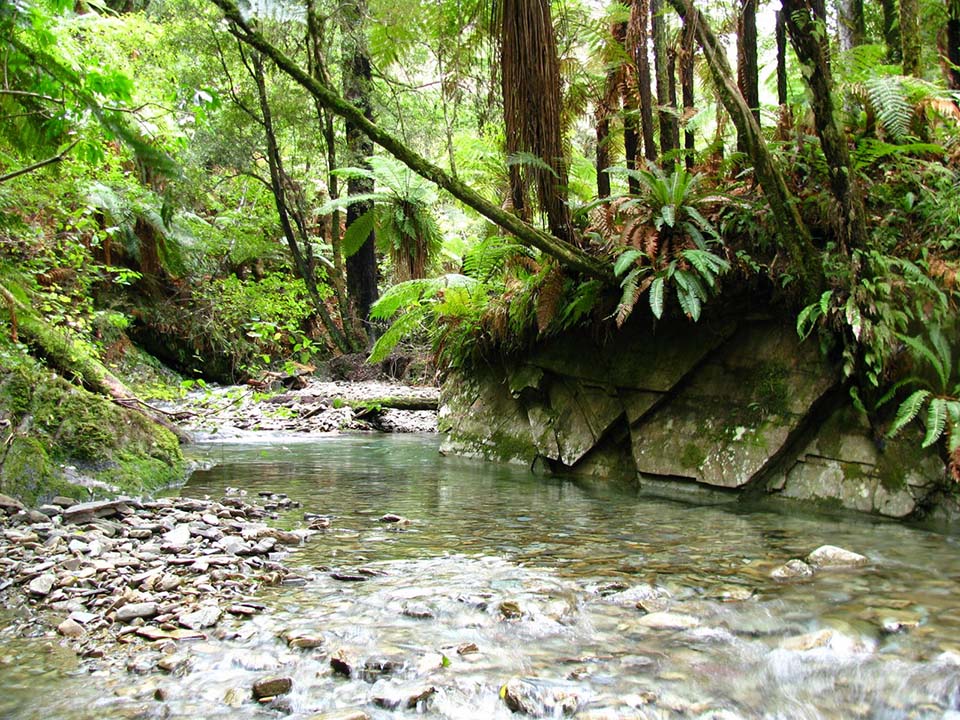
- Waterfalls and pristine streams
- Historic water supply dams from 1860s-1900s
- Mature beech forest
- Limited/no cellphone reception
- Download Avenza app for offline GPS tracking
3. Native Wildlife Viewing
The pest-free environment supports thriving populations of native species. While encounters vary in this wild environment, high bird density means likely sightings during visits.
Commonly Encountered Birds:
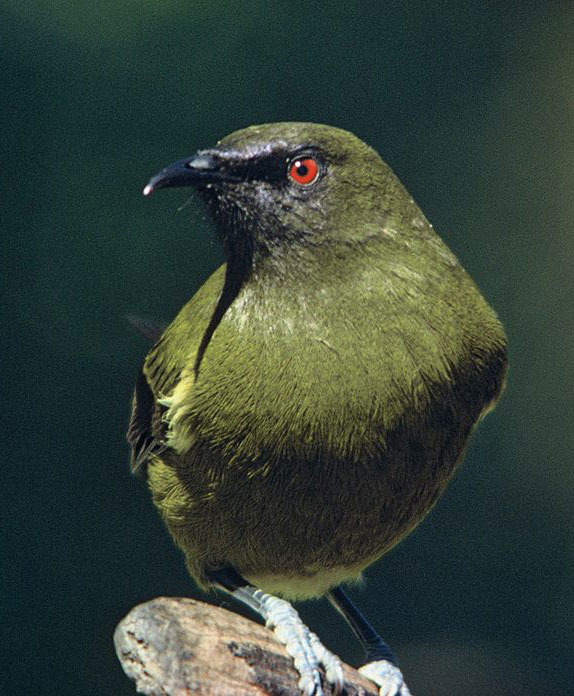
- Korimako (bellbird) – abundant, melodious calls
- Tui – distinctive white throat tufts
- Kakaruai (South Island robin) – curious, often approach visitors
- Kererū (wood pigeon) – large, colourful
- Pīwakawaka (fantail) – acrobatic, often follow walkers
- Tītipounamu (rifleman) – NZ’s smallest bird
- Kaka (once arrived/ established
Special Species:
- Kākāriki karaka (orange-fronted parakeets) – world’s largest population, critically endangered
- Tīeke (saddleback) – translocated 2021
- Tuatara – ancient reptiles, translocated 2024
- Powelliphanta (giant land snails)
- Kōura (freshwater crayfish)
4. Guided Tours
- Day Tours (90 minutes): “Hidden Valleys of Waimārama” – history, wildlife, conservation insights
- Night Tours: Kiwi and glow worm experiences (most popular)
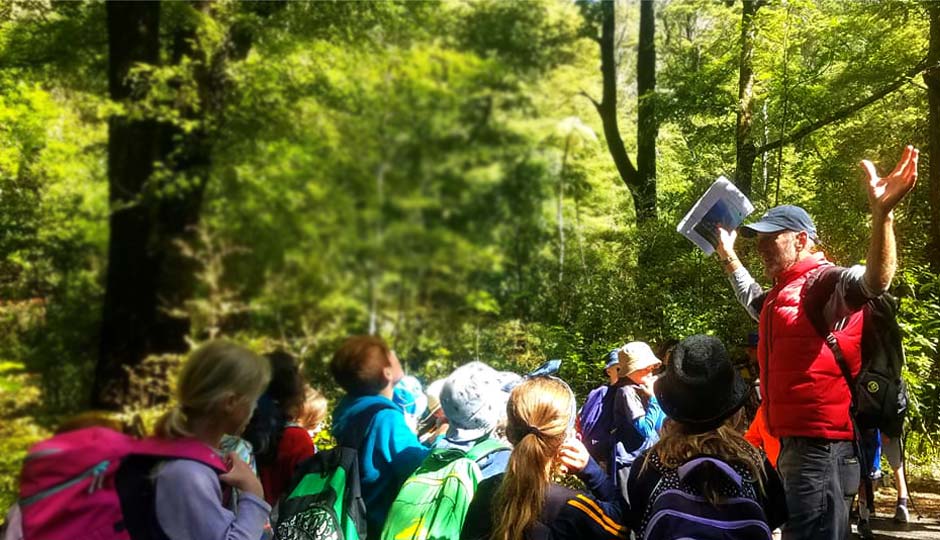
- Educational Tours: School groups and organisations
- Seasonal Tours: Fungi, photography, conservation workshops (check website for latest offerings and events)
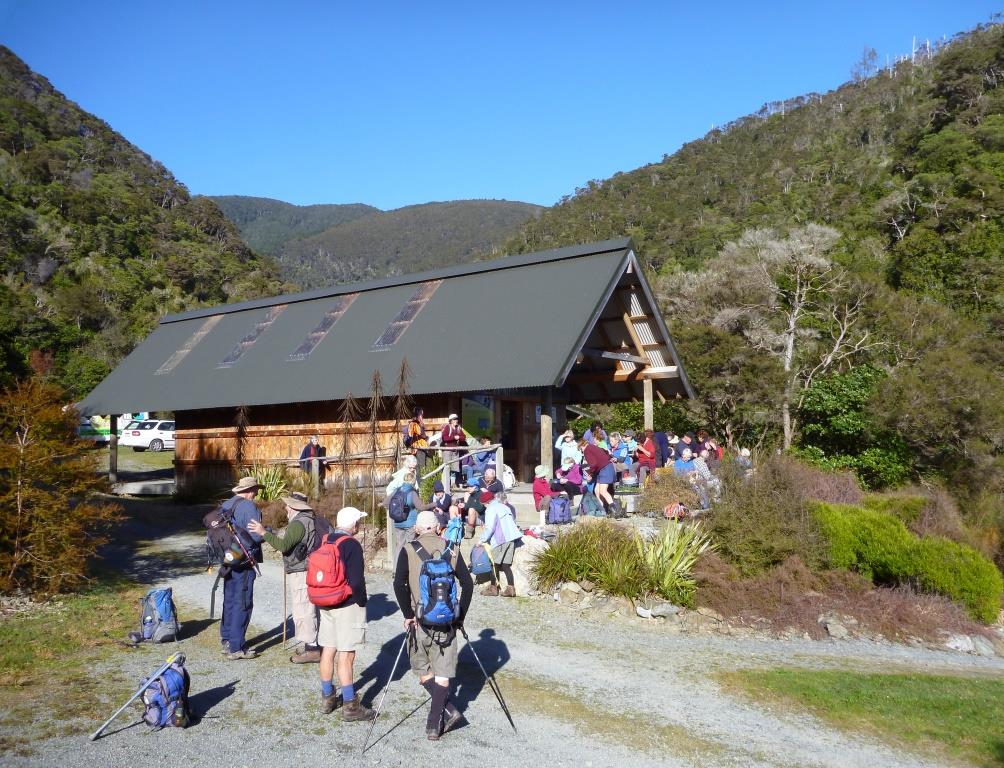
5. Visitor Centre
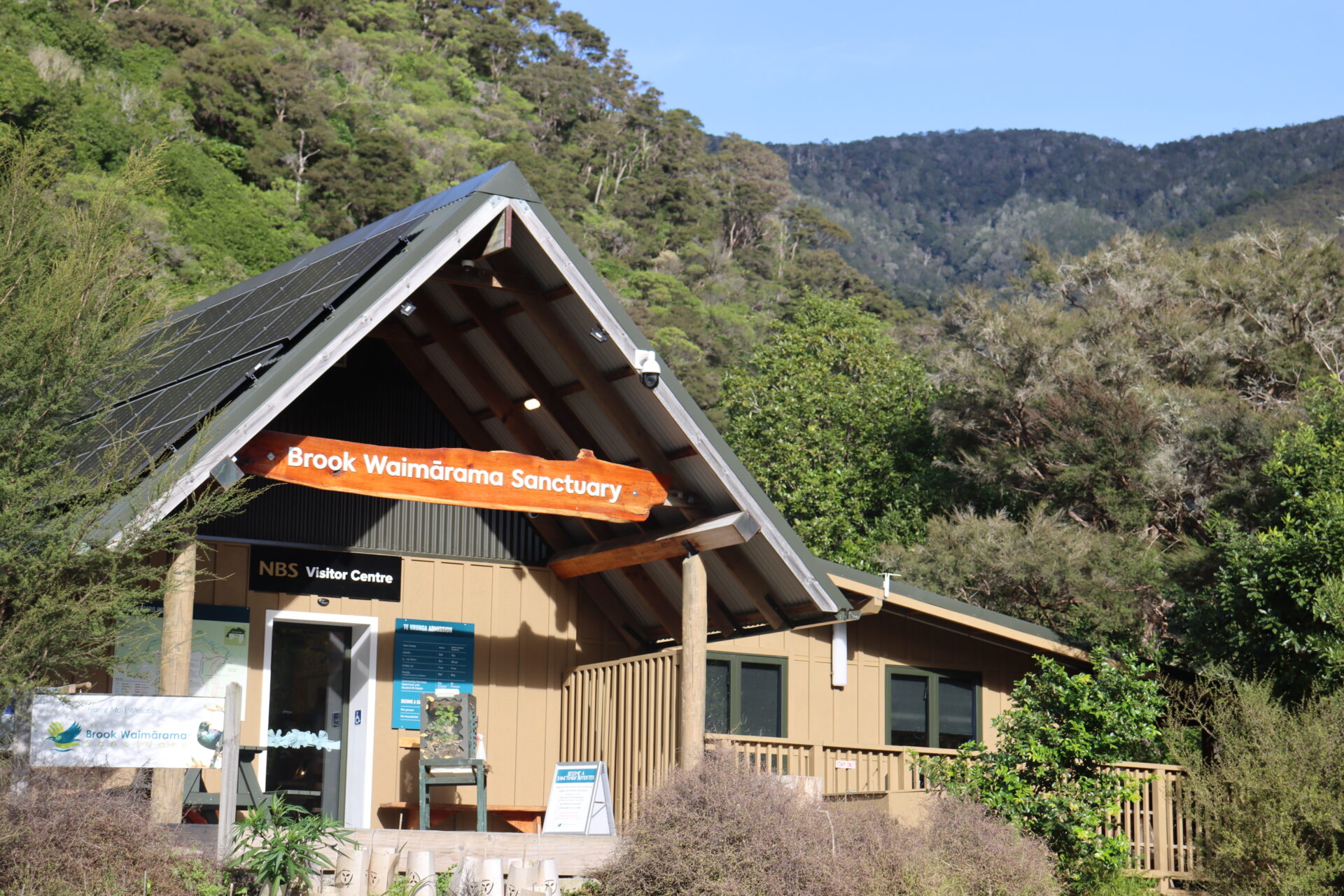
- Interactive displays and live wildlife cameras
- Meet Gordon the gecko and kōura aquarium
- Bird song identification stations
- Conservation exhibits
- Nature gift shop
- Trail maps and expert advice
- Only toilets available (none in sanctuary)
What Makes Brook Sanctuary Special
Conservation Achievements
- Started in 2001 by a group of dedicated volunteers
- Fence: 14.4km pest-proof barrier (completed 2016, cost $4.2 million)
- Declared pest-free: 2018 (after intensive eradication programme)
- Size: 690 hectares (South Island’s largest fenced sanctuary)
- Unique feature: Only sanctuary in NZ with primarily mature beech forest
- Adjacent wilderness: Backs onto 100,000+ hectares of Mount Richmond Forest Park
Species Translocations Timeline
-
- 2021: Tīeke (saddleback) – first species translocated but unfortunately unsuccessfully
- 2021-2023: Kākāriki karaka (orange-fronted parakeets)
- 2022: Powelliphanta native, carnivorous land snails
- 2024: Tuatara
- 2025: Kiwi pukupuku (41 birds, breeding successfully)
Biosecurity System
- 3,000+ pest detection devices across 690 hectares
- Conservation dog teams conduct periodic sweeps
- Rapid response protocols for any breaches
- Four-monthly rodent testing
- 24/7 fence monitoring teams
- Only 2 recorded breaches since 2018 declaration (both quickly resolved)
Community Support
- 300+ active volunteers contributing 25,000+ hours annually
- 13 specialised volunteer teams
- 1,500+ sanctuary supporters (members)
- 3,000+ school children annually in education programmes
- Funded by: Nelson City Council, Department of Conservation, sponsors and donations
Historical Context
Sanctuary Development
- 2001: Steering committee formed
- 2004: Trust established
- 2007: Visitor Centre opened
- 2013-2016: Fence construction
- 2017: Pest eradication operations
- 2018: Declared pest-free (July 15)
- 2021: Species reintroductions started
- 2024: Qualmark Gold Award
- 2025: Kiwi introduced
Māori Name
Waimārama = “clear or transparent water” (referring to the Brook Stream)
Important Visitor Notes
Wildlife Encounter Expectations
Brook Waimārama is a natural, wild environment – not a captive facility or zoo. While the pest-free status has led to thriving populations:
- Wildlife sightings are never guaranteed
- Birds and animals move freely across 690 hectares
- Sightings depend on: time of day, weather, season, individual luck
- Kiwi encounters particularly variable and never guaranteed(nocturnal, wild behaviour)
- Allow adequate time and consider guided tours for best chances
Safety & Regulations
- Stay on marked tracks
- No pets allowed (biosecurity)
- Take all rubbish with you
- Don’t feed wildlife
- Report any trap catches to staff
- Limited cellphone reception (plan accordingly)
- Check weather before long walks
Planning Your Visit
What to Bring
Short visits (Loop Track):
- Sports shoes
- Water bottle
- Insect repellent
- Sunscreen
- Camera
Longer hikes:
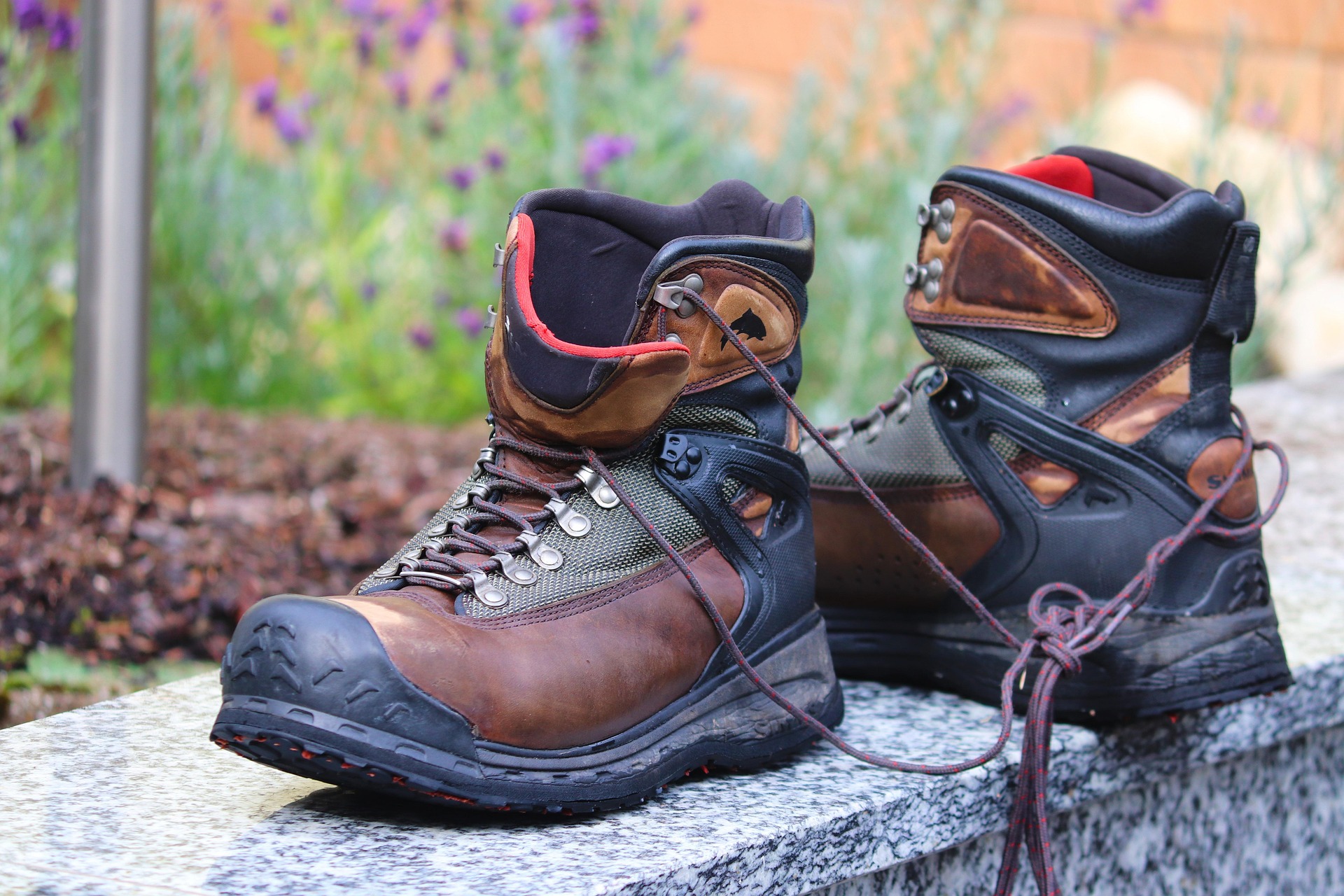
- Sturdy hiking boots
- Extra clothing layers
- Food and water
- Personal first aid kit
- Waterproof gear (stream crossings)
Best Times to Visit
- Native birds: Year-round, most active early morning
- Kiwi encounters: Night tours (book in advance)
- Glow worms: Night tours
- Quiet experience: Weekday mornings
- Family visits: Weekends (busier)
Time Allocation
- Loop Track only: 1-1.5 hours (including Visitor Centre or 45 minutes walking only)
- Half-day visit: 2-3 hours (Visitor Centre + short valley walk)
- Full-day visit: 4-6 hours (challenging valley walk)
- Night tour: 2-3 hours (plus travel time)
Accessibility
- Loop Track: Wheelchair and pram accessible
- Visitor Centre: Fully accessible
- Other tracks: Varying difficulty with some steep terrain
- Staff can advise on best options for individual needs

Frequently Asked Questions
Yes – the sanctuary is one of the best places on mainland South Island New Zealand to encounter wild kiwi birds. Night tours offer excellent opportunities to hear them calling and possibly observe foraging. However, sightings cannot be guaranteed in this wild environment.
Minimum 1-1.5 hours for Loop Track and Visitor Centre. Half-day (3 hours) recommended for fuller experience. Full day for challenging valley walks.
Yes – the Loop Track is pram-accessible and features interactive elements. The Visitor Centre has hands-on displays. Children can take a free nature activity book on their visit through the Sanctuary and receive stamps when they return to the Visitor Centre. Longer tracks may be challenging for young children.
Not for general admission (though you can pre-book online). Bookings are essential for guided tours, especially night tours (limited availability).
Brook Sanctuary is a wild, natural environment where native species live freely across 690 hectares. Unlike zoos, animals cannot be viewed on demand – you may hear and observe them following natural behaviours, but sightings vary and are never guaranteed.
Yes – night tours feature glow worm displays in open forest (not caves). This is one of the top places to experience glow worms in the South Island.
No – pets are not permitted (biosecurity requirement to maintain pest-free status).
Nelson city centre (10 min), Abel Tasman National Park (1 hour), Queen Charlotte Track (1.5 hours), Nelson Lakes National Park (1.5 hours).
Why Brook Sanctuary is a Top South Island Attraction
Accessibility
Unlike remote wildlife sanctuaries requiring boat access or extended travel, Brook Waimārama is:
- 10 minutes from Nelson city centre
- Accessible by public bus
- Day-trip friendly
- No special equipment required (except for challenging walks)
Conservation Impact
Your visit directly supports:
- Kiwi breeding programme
- Endangered species protection
- Pest monitoring and control
- Habitat restoration
- Environmental education (3,000+ children annually)
- Community conservation initiatives
Unique Combination
Few places in NZ offer this combination:
- Wild kiwi bird possible encounters
- Glow worms
- Critically endangered kākāriki karaka (world’s largest population)
- Ancient tuatara
- Mature beech forest (only sanctuary in NZ with this feature)
- Accessible yet authentic wilderness
- Walking tracks for all abilities
Awards & Recognition
- Qualmark Gold Award (Sustainable Tourism Business criteria, 2024)
- Consistently highly rated on TripAdvisor
- 5 star reviews on Google
- Featured in NZ tourism guides
- Educational resource for conservation programs nationwide
Activities in Nelson: How Brook Sanctuary Compares
Brook Waimārama Sanctuary ranks among the top things to do in Nelson because it offers:
- Unique to region: Only pest-free mainland eco sanctuary in Nelson-Tasman
- Wildlife experiences: Rare opportunity to possibly encounter kiwi birds and critically endangered species
- All-weather option: Forest provides shelter; suitable even on rainy days
- Educational value: Conservation success story with hands-on learning
- Multi-generational appeal: Activities for all ages
- Close proximity: Close to Nelson city, easily accessible by car or bus
- Value for money: Day admission supports conservation; membership offers unlimited access
Complementary Nelson Activities
Combine with:
- Natureland
- Nelson Saturday Market
- Founders Heritage Park
- Nelson Car Museum
- Pics Peanut Butter World
- Nelson Provincial Museum
- Centre of New Zealand walk
- Beaches (Tahunanui, Cable Bay)
- Abel Tasman National Park (day trip)
Booking & Visiting Information
Day Visits
- Walk-ins welcome during opening hours
- Pre-booking recommended for planning (optional)
- Pay at Visitor Centre or pre-purchase online
Night Tours
- Must book in advance (limited spaces)
- Book online via sanctuary website
- Popular tours fill quickly – book early
- Weather dependent (may be rescheduled)
Group Visits
- School groups: Dedicated education programmes available
- Corporate groups: Contact sanctuary directly
- Large tour groups: Advance notice required for parking
Membership
- Individual and family options
- Unlimited year-round access
- Priority booking for events
- Quarterly newsletters
- Support conservation directly
Essential Information
Opening Hours
- Days: Tuesday – Sunday (summer) Wednesday to Sunday (winter)
- Hours: Vary by season – please check our google listing for the up to date times
- Closed: Christmas Day only
- Open: All other public holidays
Getting There
By Car: Follow Brook Street to the end (free parking available)
By Bus: Number 4 NBus from Nelson Airport via city centre (runs 7am-7pm, 6 days/week)
Travel Time: Under 10 minutes from Nelson city centre
Admission
- Visitors – $25 per adult, $15 per child, $50 per family (2 adults and up to 3 children)
- Locals pricing – $15 per adult, $9 per child, $35 per family (2 adults and up to 3 children)
- Under 5s – Free
- Entry fees support conservation work
- Discounts: Nelson locals, Community Services Card holders, students, seniors with Gold Card
- Annual membership available for unlimited annual access
- Pre-book online or pay at the Visitor Centre
Contact
- Phone: (03) 539 4920
- Email: info@brooksanctuary.org.nz
- Website: https://www.brooksanctuary.org.nz/
Book a visit


Follow us on Instagram
@brooksanctuary
Share your photos with #brooksanctuary
🌿 BINGO NIGHT at Spring and Fern – The Meadow! 🎱
Looking for a fun night out while supporting a great cause? Join us for a night of bingo, good company and some fantastic prizes, all in support of the Brook Waimārama Sanctuary! 🌱
📅 Tuesday 20 October
⏰ 7pm
📍 Spring and Fern – The Meadow
💰 Remember to bring cash!
🎁 Great prizes are up for grabs, so bring your friends, bring your lucky streak, and get ready for a fun night supporting our native wildlife and conservation work.
We’d love to see you there! 🌿
Oct 18


Mental Health Awareness Week 2026 | Take a moment for yourself
Sometimes, the best thing we can do for our wellbeing is slow down, get outside and reconnect with nature.
At the Brook Waimārama Sanctuary, we’re lucky to be surrounded by native birdsong, towering trees and the peaceful sounds of the forest. Spending time in nature can help us feel calmer, lift our mood and give us space to reset.
Have you ever tried forest bathing? Also known as shinrin-yoku, it’s the practice of immersing yourself in the natural environment and mindfully connecting with your surroundings. It’s not about how far you walk or how quickly you get there; it’s about slowing down, noticing the sights and sounds around you, breathing in the fresh forest air and being present in the moment.
This Mental Health Week, we encourage you to take a little time for yourself. Wander beneath the trees, listen to the birds, feel the breeze on your face or simply pause and take a few deep breaths. Sometimes, a little time in nature is just what we need to recharge.
Remember, you don’t have to do everything at once, and it’s okay to ask for help when you need it. Looking after your mental wellbeing matters.
Find out more at the Mental Health Foundation of New Zealand: www.facebook.com/mentalhealthfoundationNZ
Take a breath. Slow down. Reconnect with nature.
📽 Video credit: Nicholas Roosen @nickjroosen
#MentalHealthWeek #ForestBathing #Wellbeing #NatureForWellbeing #BrookWaimāramaSanctuary #taketimeforyou
Oct 14

A big thank you to @patagonia and @mdoutdoorsnz for their recent generous donation to the Brook Waimārama Sanctuary. 💛
Through Patagonia’s Impact Incentive Programme, MD Outdoors had the opportunity to select a charity to support and chose the Sanctuary. We’re incredibly grateful to both organisations for their commitment to supporting conservation and protecting Aotearoa New Zealand’s unique wildlife and natural environment.
Every contribution helps us continue our work to protect threatened species, restore our native ecosystem, and ensure future generations can experience the wonders of our natural heritage.
MD Outdoors is proudly 100% locally owned and operated, and we’d also like to congratulate the team on recently opening their new store in Wakefield. It’s fantastic to see businesses supporting conservation and making a positive difference in our community.
Thank you, Patagonia and MD Outdoors for backing our mahi and helping us make a difference.
#BrookWaimāramaSanctuary #Patagonia #MDOutdoors #Conservation #ProtectingOurFuture
Oct 13

Support the Brook Waimārama Sanctuary at The Spectacle 2026! 💛
@runthespectacle brings runners and walkers of all abilities together in the heart of Whakatū Nelson, with challenges ranging from a mile to an incredible 100 miles.
You can support the Brook Waimārama Sanctuary by making a donation or taking part and fundraising for us. Every contribution, big or small, helps protect and restore our precious native wildlife and ngahere.
We’re thrilled to have 16 fundraisers already signed up to support the Sanctuary. Thank you for getting behind our kaupapa!
Want to go the extra mile? Sign up, choose the Sanctuary as your charity, and rally your friends, whānau and community to support you.
Together, we can make a difference for our native wildlife.
Donate or sign up today: 🔗Link in bio>>
#BrookWaimāramaSanctuary #TheSpectacle2026 #NelsonNZ #WhakatūNelson #ProtectOurWildlife #NativeWildlife #Conservation #Fundraising #SupportLocal #NewZealandNature #RunForNature #TogetherForNature
Oct 8

Yesterday, we celebrated the arrival of 29 tuatara from Takapourewa (Stephens Island) to the Sanctuary, marking another exciting milestone in our ongoing conservation efforts.
The translocation was led by @ngatikoatatrust kaitiaki of Takapourewa (Stephens Island) tuatara, alongside the @docgovtnz, bringing these incredible taonga into their new home at the Sanctuary.
The new arrivals have joined our existing tuatara population, strengthening genetic diversity and helping secure a future for this remarkable species in Te Tauihu.
Each tuatara was carefully checked before being released into a pre-drilled burrow within our mouse-exclusion fence, where they can settle into their new surroundings.
A huge thank you to everyone involved in making this special translocation possible, particularly @ngatikoatatrust and the @docgovtnz, and especially the team on Takapourewa, who put in some very long hours — and very little sleep — to make it happen.
And a special thank you to Elizabeth del Angel – @soft.currents.photography for capturing such beautiful images of this incredible moment.
@spinyback @nelsoncitycouncil @nbs.co.nz @nelsonpineindustries
Oct 4

👀 Someone was keeping a very close eye on the work!
Our Asset volunteer Barry climbed up his stepladder to finish the framing on the kākā release aviary roof — only to be met by a few very interested spectators!
Some of our kākā decided to take a cheeky look at Barry while he was busy carrying out the work.
Was it simple curiosity… or were our feathered friends making sure the job was being done properly?
Either way, it’s safe to say Barry had some very attentive supervisors on site!
When visiting the Sanctuary, you may be lucky enough to spot kākā too — so keep your eyes and ears open. You never know who might be watching you!
@ngatiapakiterato
#BrookWaimāramaSanctuary #Kākā #NativeWildlife #Conservation #Volunteer #Nelson
Sep 30
