Where to see kiwi in New Zealand
Where to see kiwi birds in New Zealand
(and how to do it responsibly)
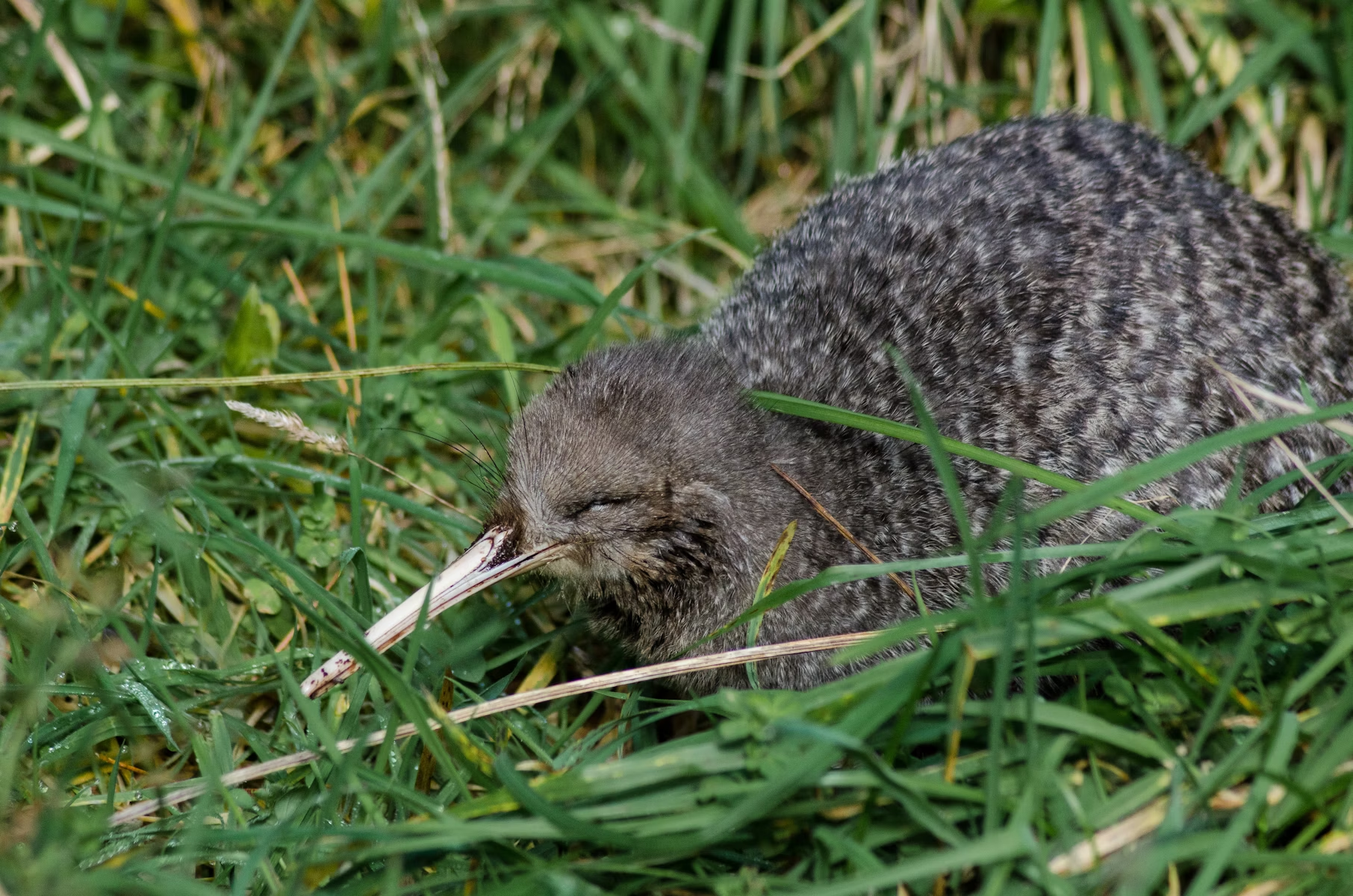
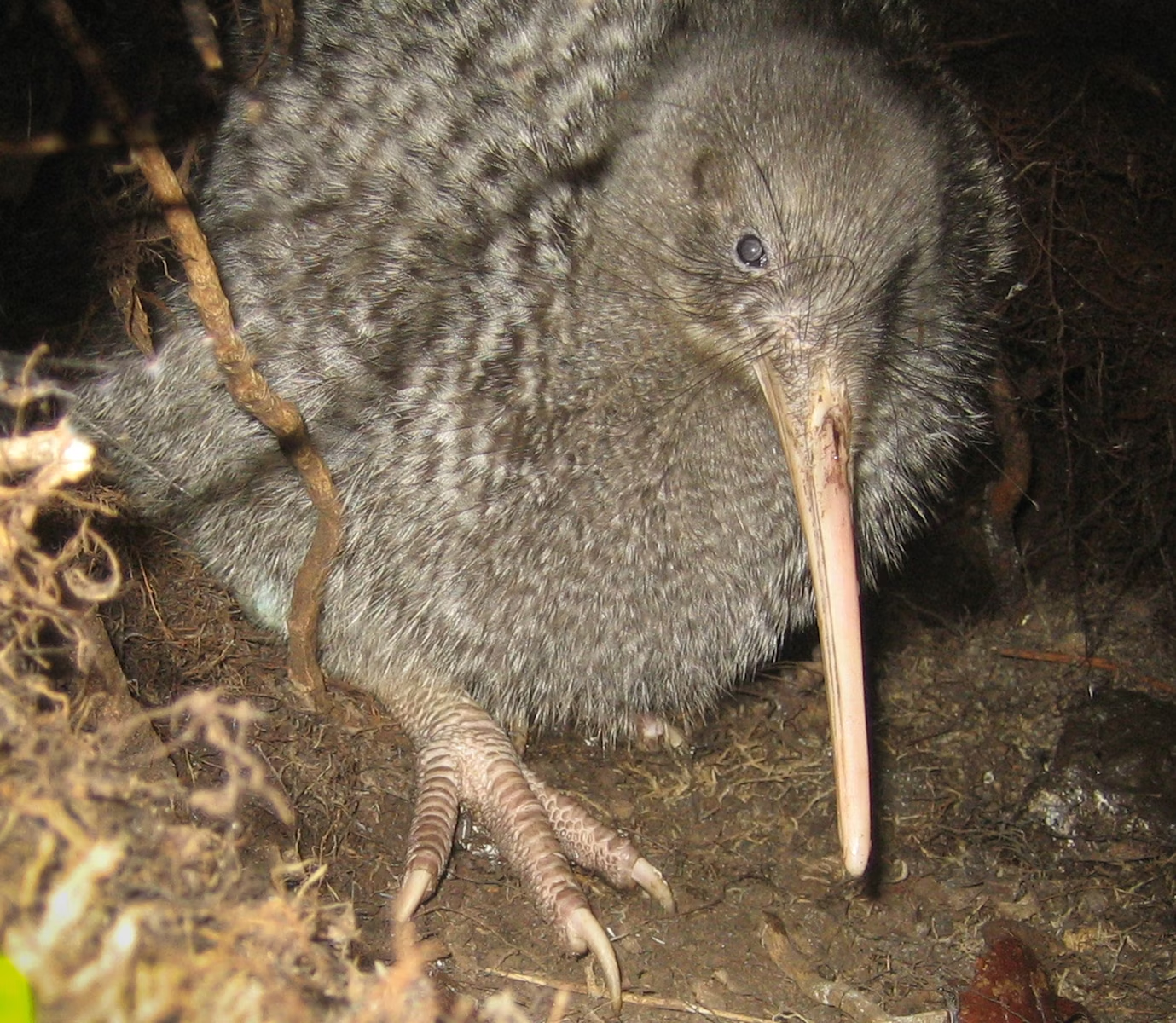
Seeing a kiwi in the wild is one of those bucket-list moments people dream about. The catch is that kiwi are nocturnal, quiet, and brilliantly good at being unseen.
The good news: there are places across Aotearoa where you can increase your chances in an ethical way, especially through guided night experiences and conservation-focused wildlife centres.
This guide covers:
- where to see kiwi birds in the wild in New Zealand (North and South Island options)
- what to expect (including the truth about “guarantees”)
- simple, respectful viewing tips that protect kiwi and their habitat
If you want to know more about where you can see kiwi birds in captivity, check out this great list from our friends at Save the Kiwi.
First: what “seeing kiwi” in the wild really means
For many visitors, the most common outcome is:
- hearing kiwi calls
- spotting fresh sign (scratches, tracks, foraging marks)
- catching a brief glimpse if you’re lucky
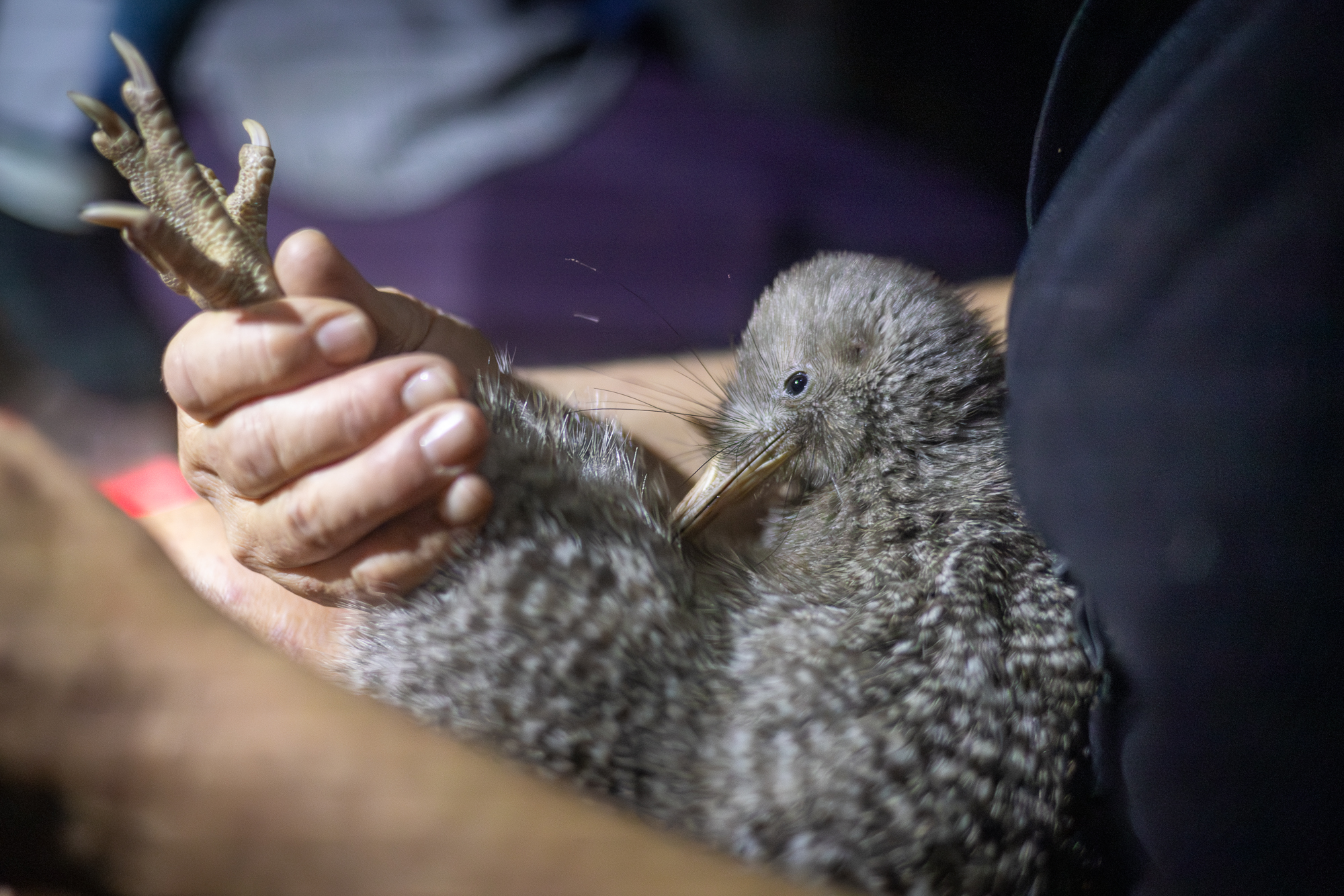
That’s normal, and it’s a good thing. Kiwi are under pressure from predators, and low-disturbance behaviour is part of keeping them safe.
At the Brook Waimarama Sanctuary, some of our visitors have been lucky enough to spot kiwi on their Night Tours (see our videos 👉)
Where to see kiwi in the South Island
Save the Kiwi maintains a practical “where to see kiwi” in captivity list with South Island options including Orana Wildlife Park and Willowbank in Christchurch, Kiwi Birdlife Park in Queenstown, and centres on the West Coast. Save the Kiwi
Tourism New Zealand also curates “best places to see kiwi”, including wildlife reserves and kiwi programmes. New Zealand
A standout South Island option: kiwi pukupuku at the Brook Waimārama Sanctuary (Nelson)
If you want your kiwi experience to be part of a bigger conservation story, visit the Brook Waimārama Sanctuary, a pest-free 690ha haven built to help native wildlife thrive again.
(poss embed hero video)
On our Sanctuary night guided experiences, you’ll head into the forest after dark with a guide, see glowworms, possibly hear kiwi calls and maybe even encounter one! We provide red torches, and we’re upfront that sightings are never guaranteed, because kiwi pukupuku are shy and elusive. brooksanctuary.org.nz
If you do get lucky, it’s unforgettable. If you don’t, you’ll still walk away with a deeper understanding of why eco sanctuaries matter and the amazing work being undertaken to protect native wildlife for generations to come.
Where to see kiwi in the North Island
This is where most “where to see kiwi” lists expand heavily, with a mix of wildlife parks, sanctuaries, and island experiences. Start with:
- Tourism New Zealand’s curated list New Zealand
- Save the Kiwi’s directory-style “where to see kiwi” page Save the Kiwi
Tips to increase your chances (without stressing kiwi)
1.Use low light, and avoid bright beams
Kiwi are sensitive to disturbance. Best-practice guidance discusses how even “red glow” lights can affect kiwi in some contexts, and recommends minimising disturbance around nests and monitoring sites. Doc.govt.nz
On guided experiences (including ours), red lights are used specifically to reduce disturbance while keeping people safe on tracks. brooksanctuary.org.nz
2) Go with a guide if you can
Guides know the terrain, timing, and behaviour cues, and they manage group movement so wildlife isn’t surrounded or pressured.
3) Expect to hear first, see second
Often you’ll hear rustling, a call, or movement long before you see anything. That’s part of the magic.
4) Keep your phone and camera lights off
Flash photography is a ‘hard no’ for kiwi experiences in most settings, and it also ruins night vision for everyone else. Our night tour guidance specifically asks visitors to keep flash and light functions off.
If you only do one kiwi experience
Choose an experience that:
- supports conservation outcomes
- protects habitat
- sets clear expectations about sightings
That’s exactly why we encourage visitors to make time for the Brook Waimārama Sanctuary: your visit is part of restoring a predator-free native forest where kiwi calls are heard again after generations of silence.
Book a night tour for when you’re in the top of the south. (Bookings are essential)
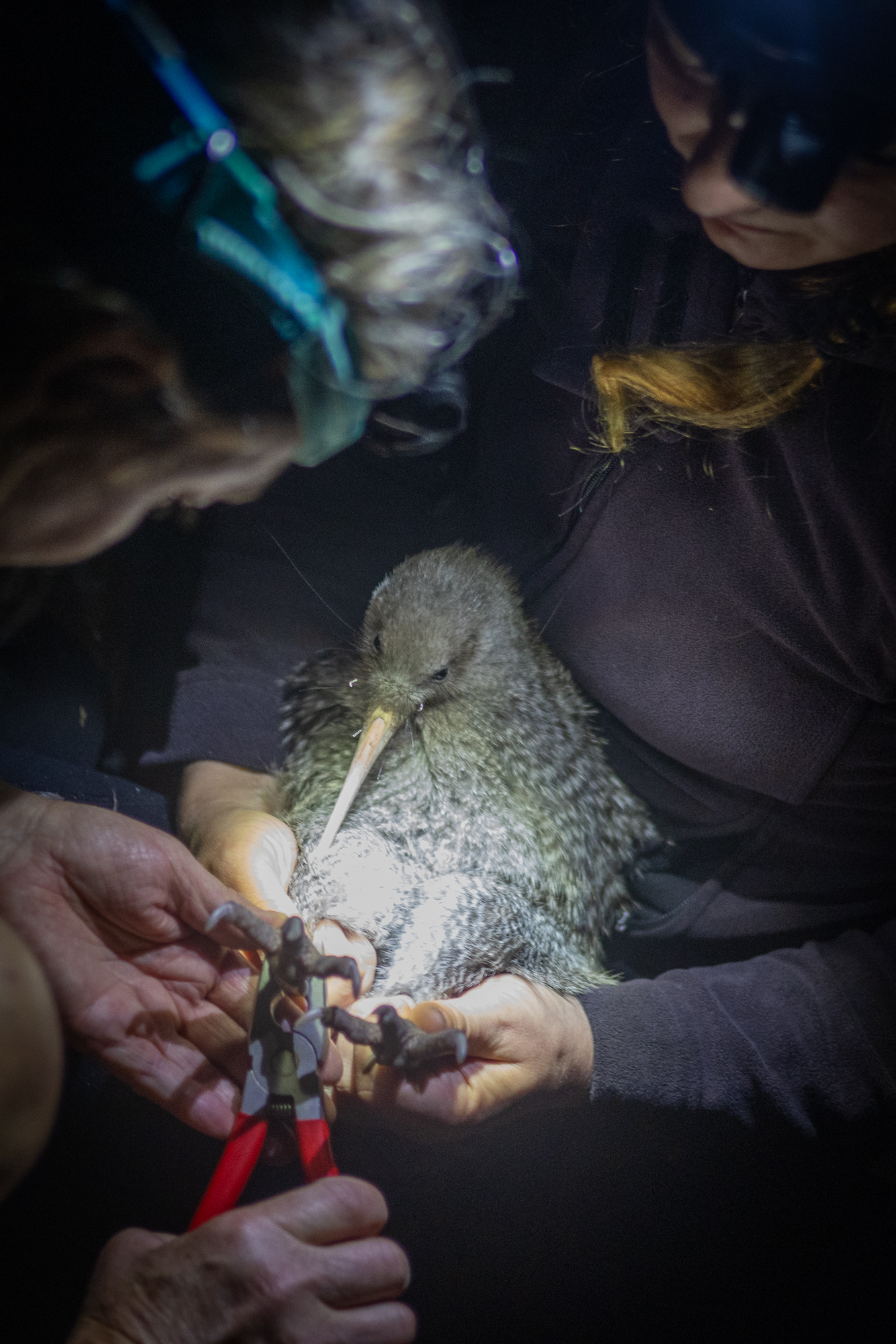
And our trail cameras capture the action too: