How to search for a lost kākā?
How to search for a lost kākā?
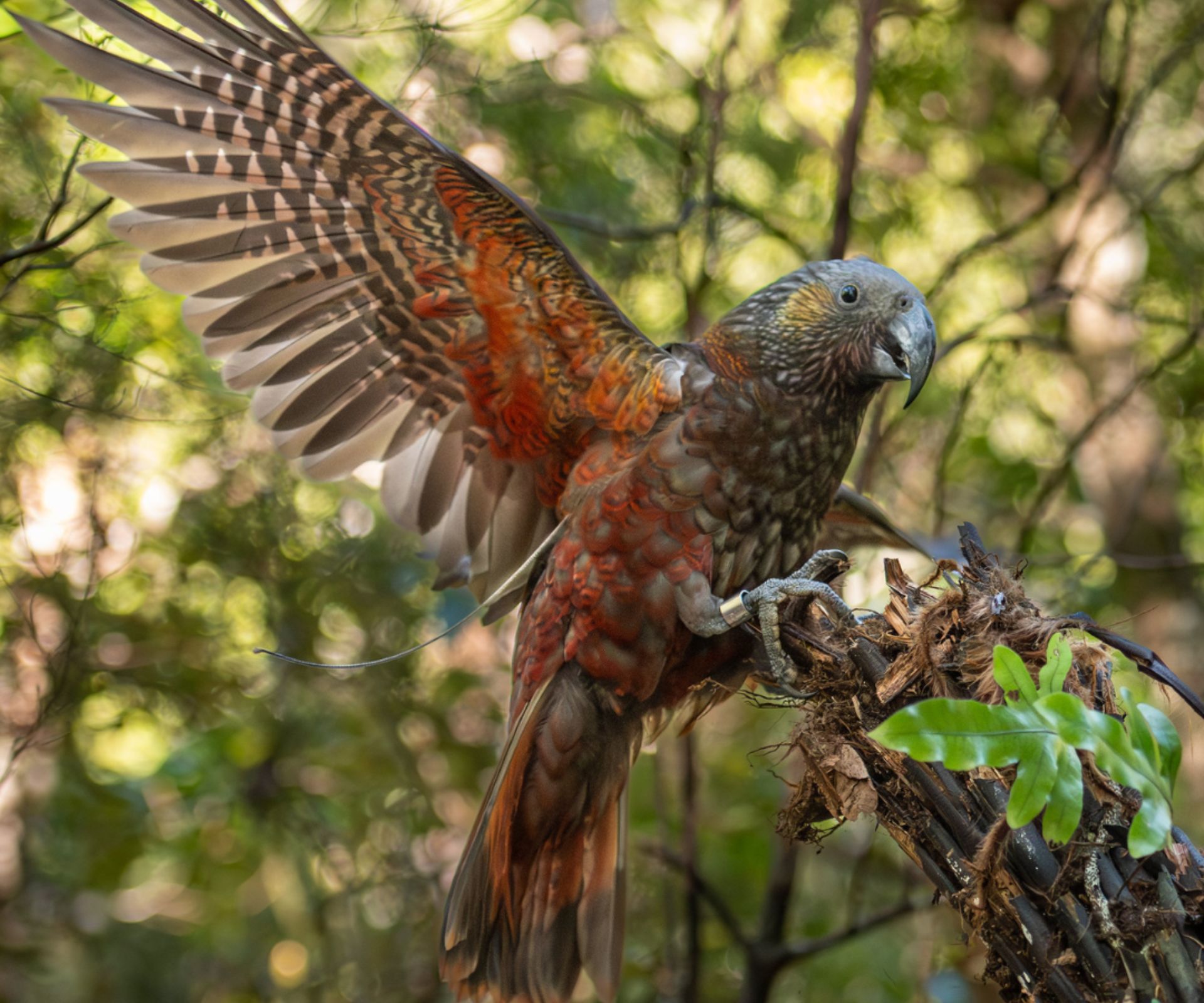
Our newest and cheekiest addition to the sanctuary, kākā, are all roaming free now! But they aren’t just highly inquisitive, they are also strong fliers.
These parrots (unlike their completely flightless cousins the kākāpō) are known to even cross open water between islands over 25km. Very impressive for a forest parrot! So, how do we make sure they don’t just fly over the fence and leave forever?
Trying to make translocated birds, or any animal you translocate, stick around is called ‘anchoring’. There are a few strategies how to anchor kākā: One of them, like in our case, is a ‘soft release’. This means birds aren’t just dropped straight into a new location but instead are kept in an aviary for a certain amount of time before release. There are various opinions out there as to how long you keep kākā before releasing them. Most likely this depends on the individual bird. If you hold the birds too long in an aviary, they can become aggressive towards each other or get generally stressed from being confined to a cage. If you don’t allow enough time for them to settle, they might just take off right away. It helps significantly if there are already kākā in the area, as they are very social creatures and the new ones will usually join the existing flock.
Another way of anchoring the birds is to continue to provide them with food well after they have been released. This is particularly important for captive bred birds like ours, as they haven’t yet learned how to forage fully on their own. We offer the birds a kākā-specific diet, which they can rely on while they learn how to find food on their own. If kākā eat ‘human food’ like sandwiches or fish and chips, they can get seriously ill. Certain foods can make their beaks grow cross, make their bones soft and can even lead to death. Please never feed a kākā! Naturally, kākā are inquisitive and are well equipped to find food in native forests all year round. Their natural foods include native berries and seeds, nectar, honeydew, but also juicy insects hiding in rotten logs and dead trees- whatever is seasonally available. The longer birds have lived and foraged in an area, the more likely it is they stick around, and claim it as their territory.
But what if the birds do fly away? No translocation has a 100% success rate, and each translocation comes with risks. There are uncontrolled variables when you work with wild animals and conditions that are out of human control. But to bring back a species to their natural habitat, we need to accept this risk. It is either that or letting our species which make Aotearoa so special go extinct one after the other. Despite all efforts made, two of our six kākā did what kākā do best- they flew. To try and keep track of the kākā, we use radio telemetry: most of the kākā are equipped with a lightweight backpack with a tiny antenna (also called transmitter or radio tracker) which sends a simple radio signal.
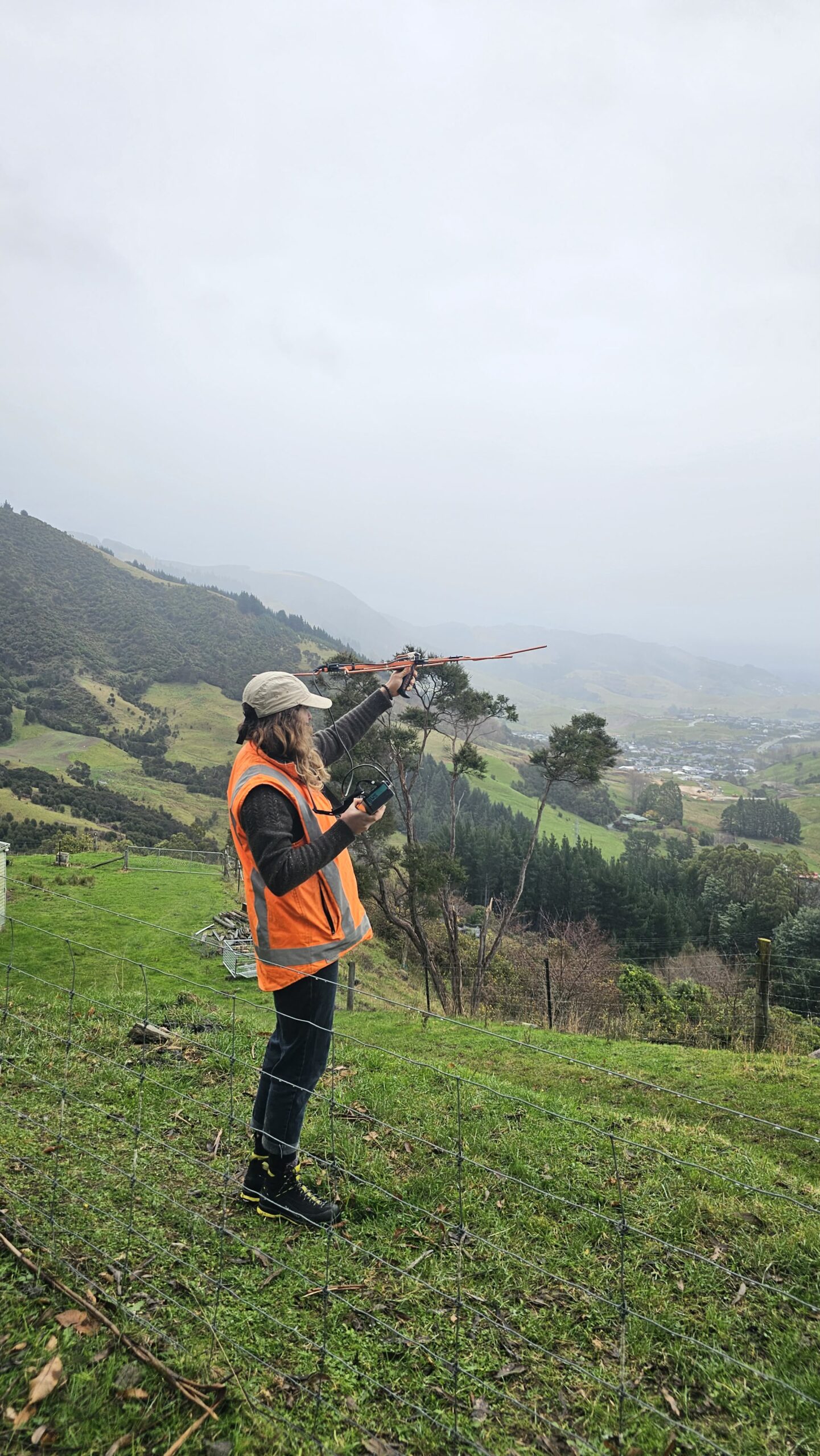
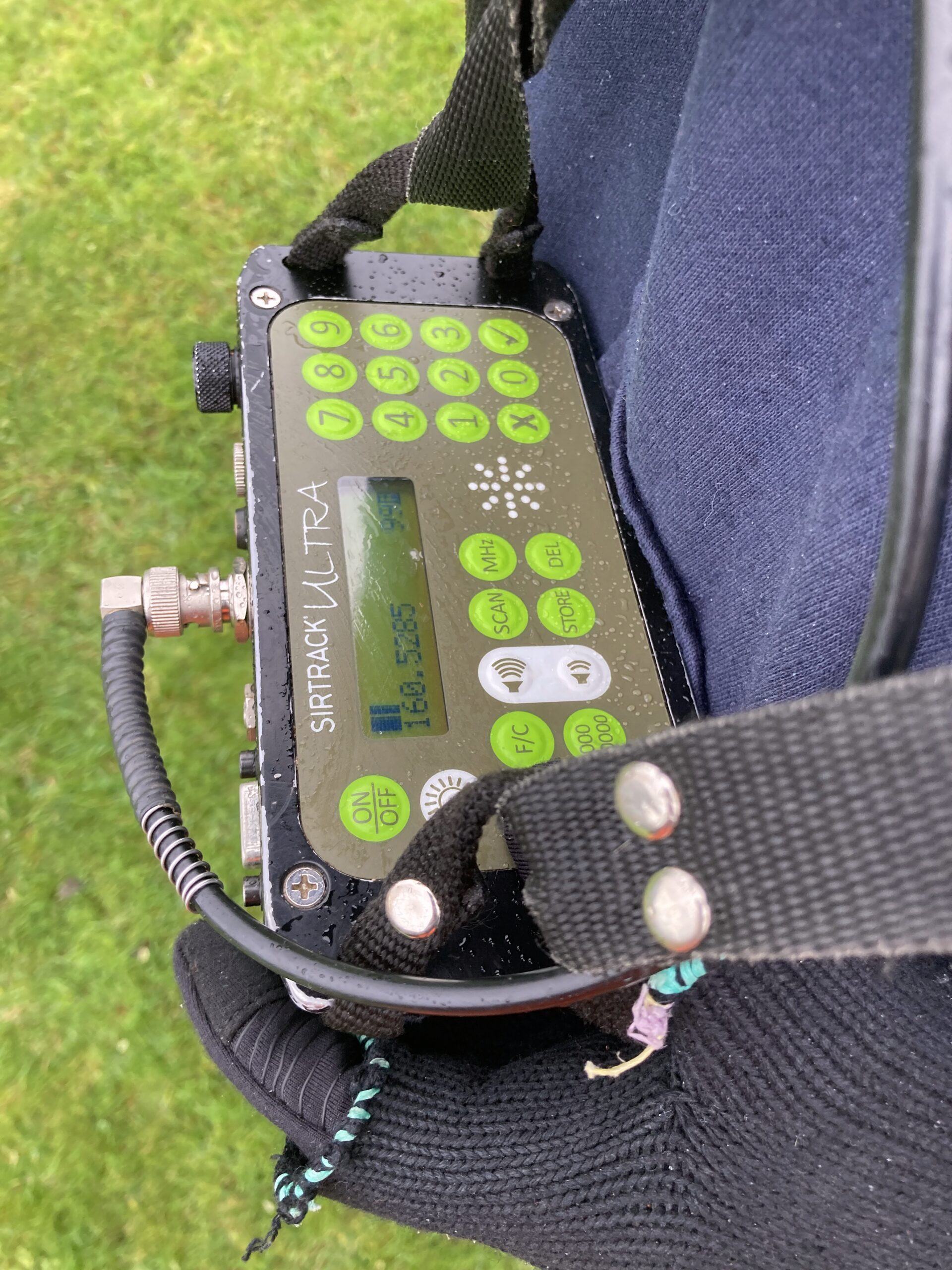
Each individual radio tracker runs on a different frequency, allowing you to look for specific birds. You can then track the signal of a bird with a radio receiver and an antenna (also called aerial, or yagi). The radio receiver will translate the electromagnetic waves sent out by the radio tracker into sound, like a car radio, but instead of a whole song you just hear beeps. There are about 40 beeps per minute, one for each radio-pulse that is sent out by the transmitter. The further away from the transmitter you are, the weaker the signal will be. So, if you are very close to the bird with its little backpack on, you will hear loud beeps. However, obstacles can block the signal, for example hillsides, rocks, dense vegetation, or buildings. The antenna has a directional view, like when you are using binoculars to look at an object, you have a more focused line of sight. This helps you to narrow down the direction a signal is coming from.
Fingers crossed, our kākā will mostly stay inside the safe, invasive pest-free area of the Sanctuary!