
Giant Pill Millipede
Procyliosoma
Their Story
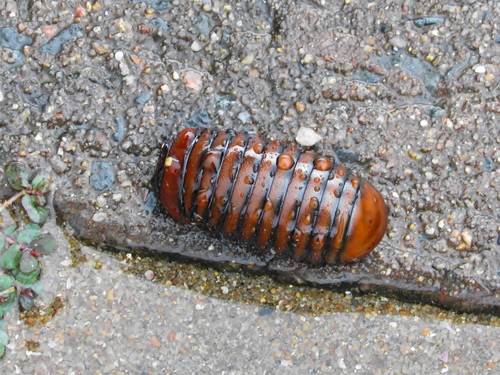
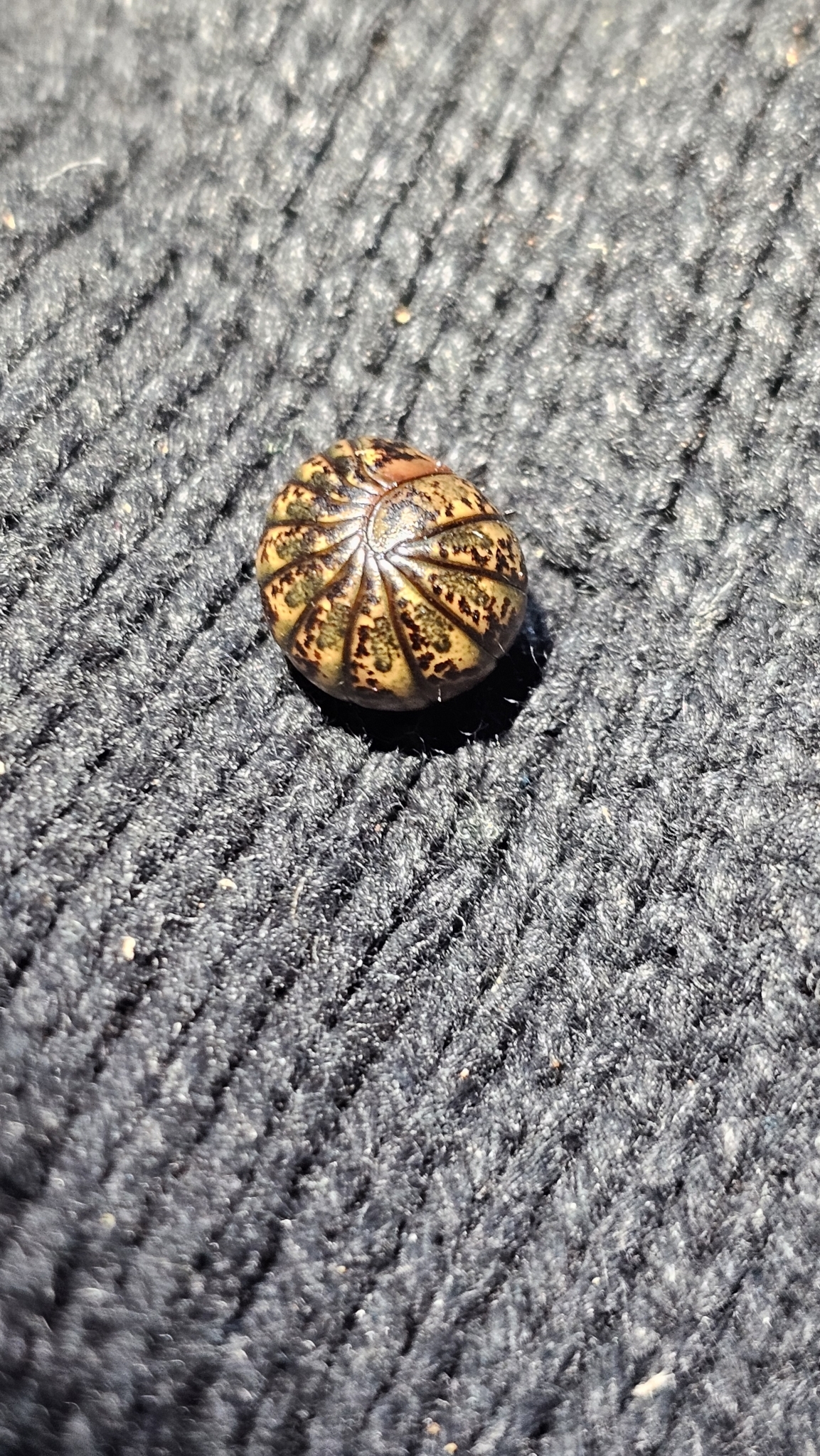
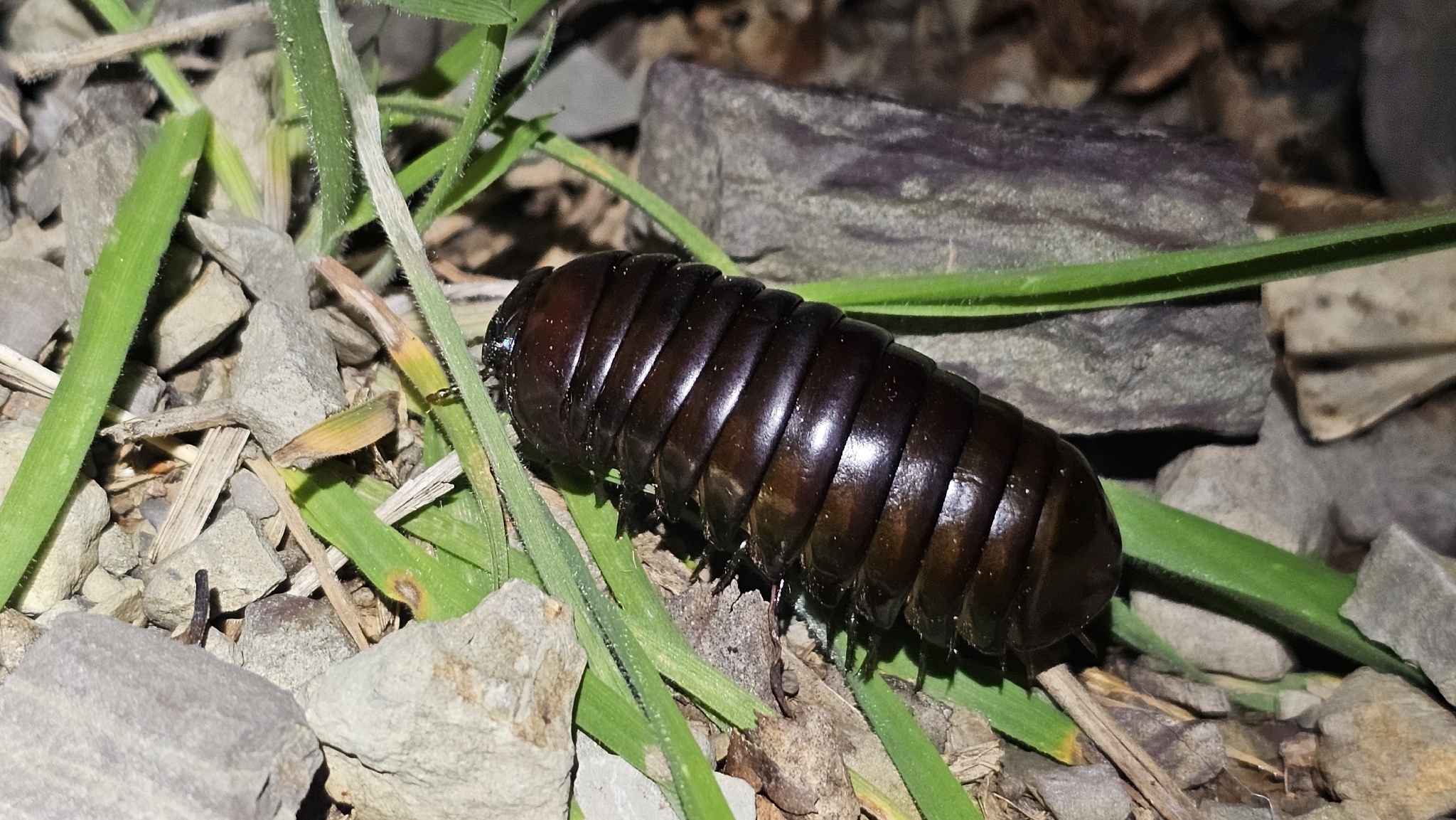
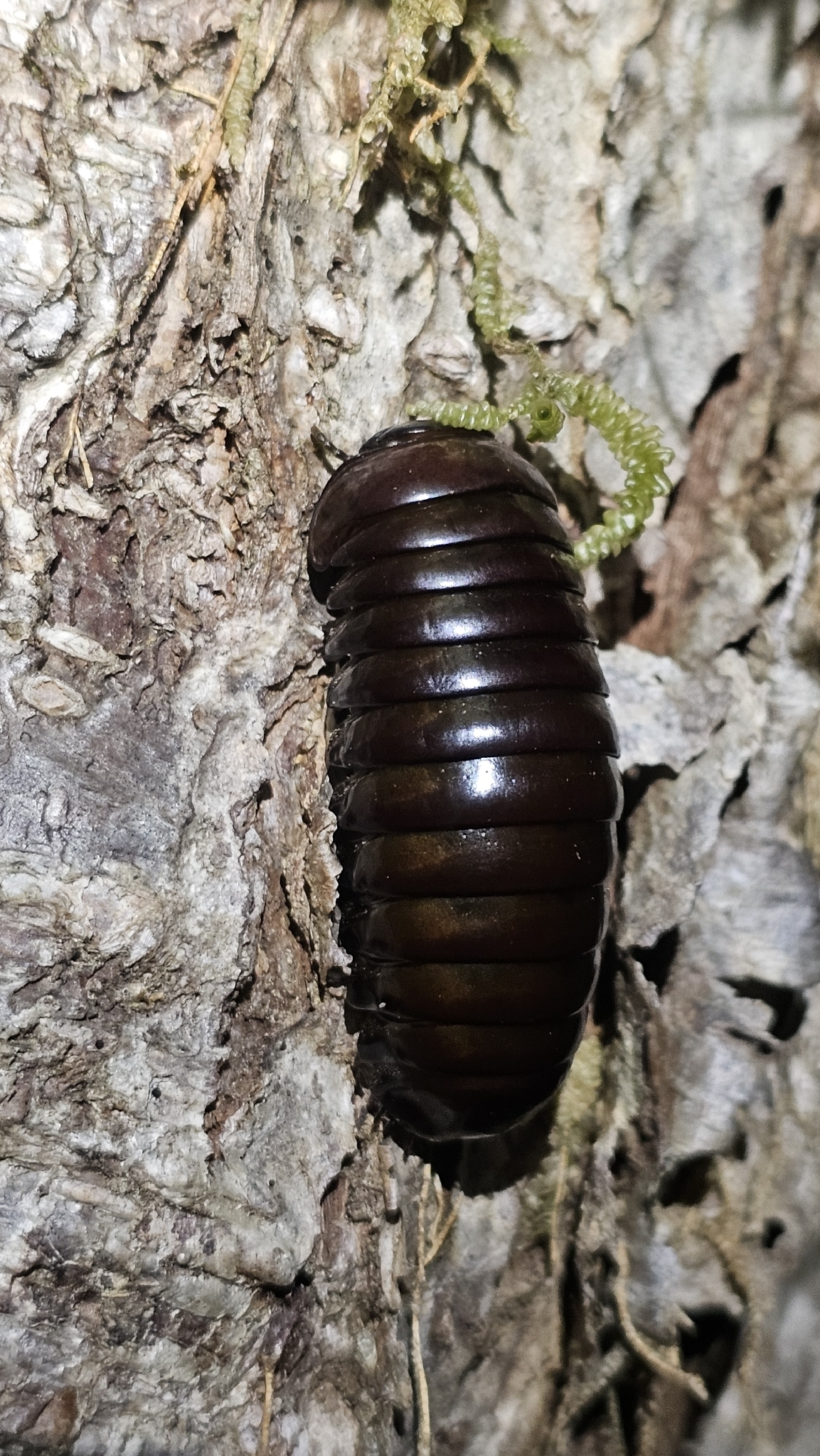
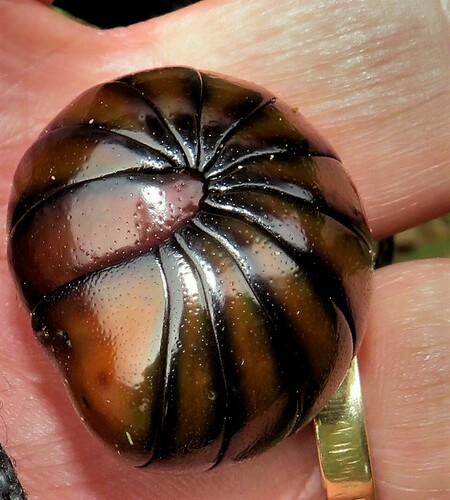
The giant pill millipede might look like a shiny dark cherry-sized ball—but when it unrolls at night, it reveals a multitude of legs quietly working the forest floor. Endemic to Aotearoa and surviving here in the Brook Waimārama Sanctuary’s pest-free native forest, its presence is a sign of ecological depth and recovery.
Conservation Status

Pill millipedes are considered not threatened with extinction, but rely on intact forest to flourish.
Food

Mostly nocturnal, giant pill millipedes unfurl at night to feed on decaying wood, fallen leaves and other detritus—playing a vital role in nutrient recycling.
These compact millipedes are distinguished by their ability to roll up into a near-perfect ball (called conglobation), hiding head and legs entirely beneath glossy plates. Each segment (tergite) overlaps the next, forming a protective shield. Colours vary from dark brown to black-shiny, with adult sizes comparable to a large marble or cherry.
Mostly nocturnal, giant pill millipedes unfurl at night to feed on decaying wood, fallen leaves and other detritus—playing a vital role in nutrient recycling. During the day they remain curled into protective balls beneath logs, bark or leaf-litter—a clever adaptation that shields them from predators and the elements.
Adults mature slowly and have relatively low reproductive output. Females lay eggs in moist forest litter or under logs. Hatchlings emerge as miniature adults and gradually grow through years of forest debris-rich habitat. Their longevity and slow life-history make intact forest and protected conditions crucial for their survival.
The genus Procyliosoma comprises three described species endemic to Aotearoa, with other species endemic to Australia and Tasmania. They live in moist, mature native forest rich in leaf-litter and rotting logs. Within the Brook Sanctuary’s beech-podocarp forest, the abundance of these millipedes reflects the Sanctuary’s old growth and organic substrate build-up.
Giant pill millipedes are not considered threatened with extinction, however these species have suffered declines due to the loss and degradation of mature forest. Their survival is enhanced inside pest-free sanctuaries like Brook Waimārama.
Pill millipedes are rarely spotted during the day, hiding beneath logs and litter. Come nightfall however, these strange invertebrates become conspicuous. They seem to be very common in the moister areas of the Sanctuary, becoming very large.
Millipedes are the modern relatives of an ancient group of arthropods known as Diplopods. These ‘double legged’ segmented invertebrates arrived on the scene more than 400 million years ago, tens of millions of years before vertebrates emerged onto land. The largest millipede(and terrestrial invertebrate) to ever live was Arthropleura of the Carboniferous period, which grew over 2 metres long
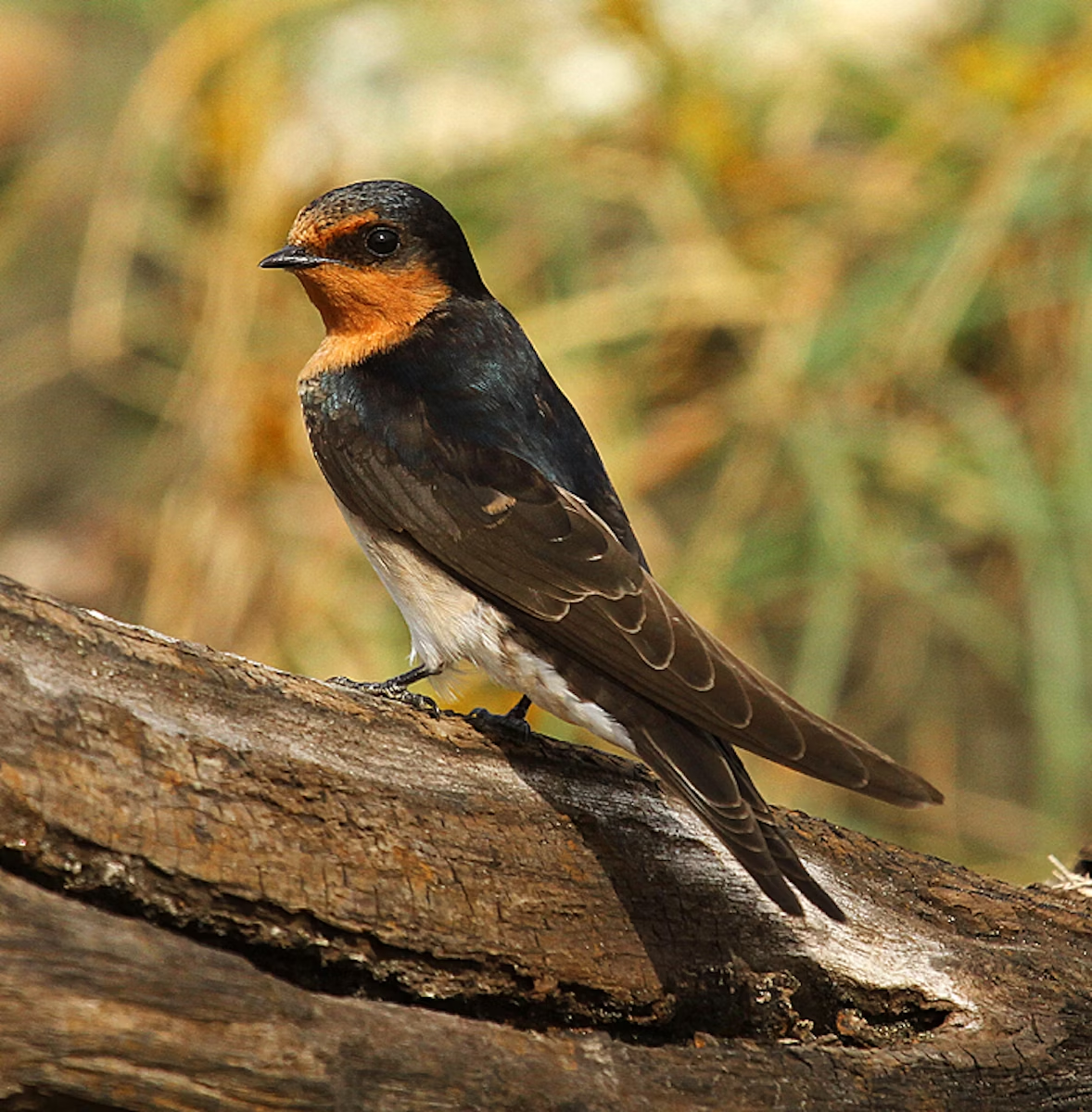
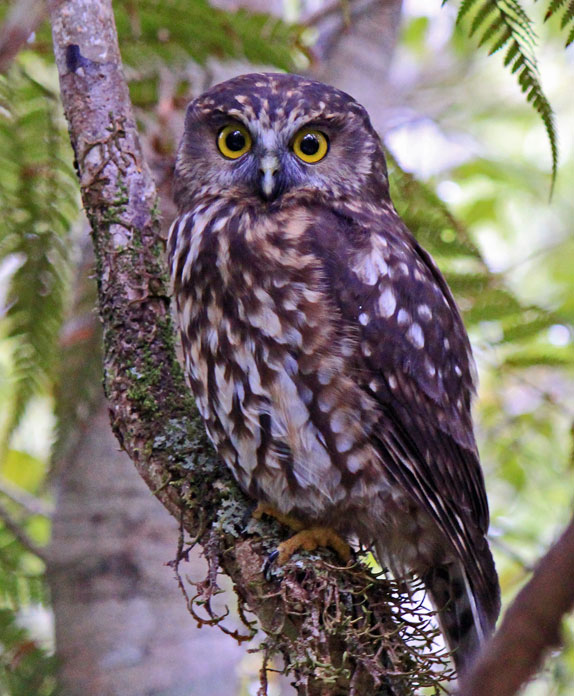
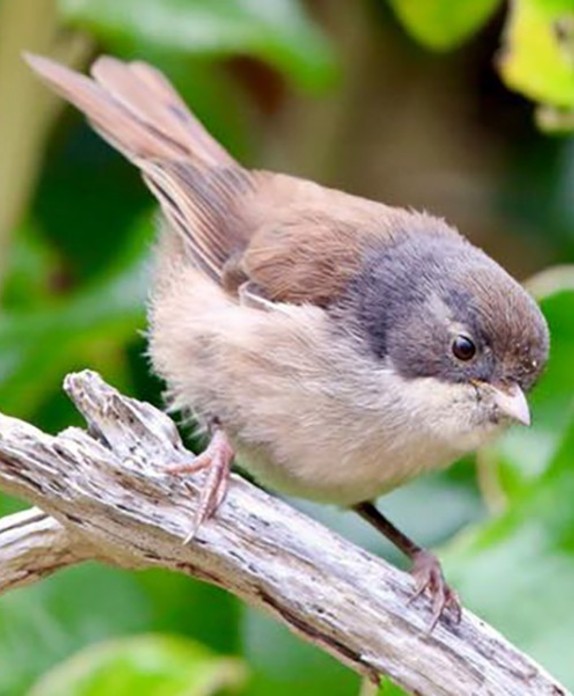
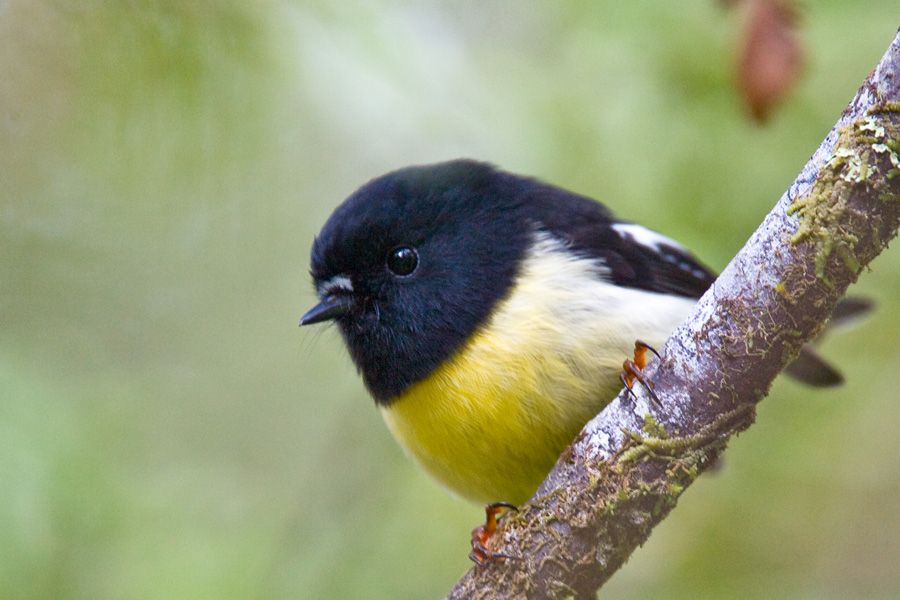
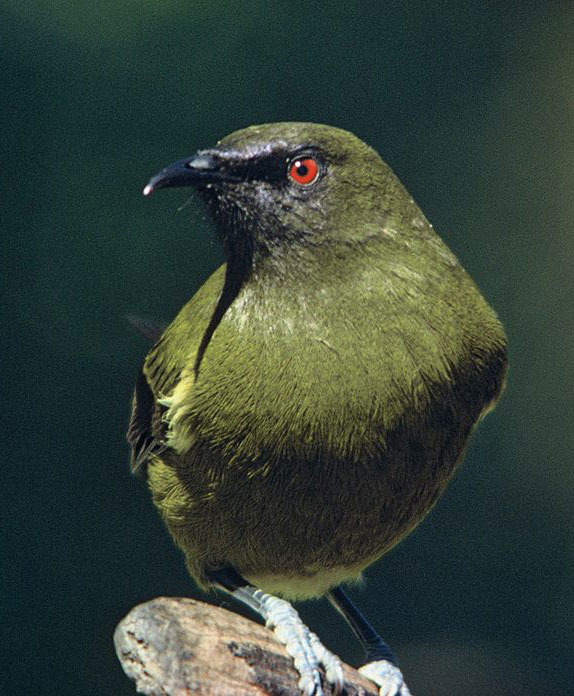
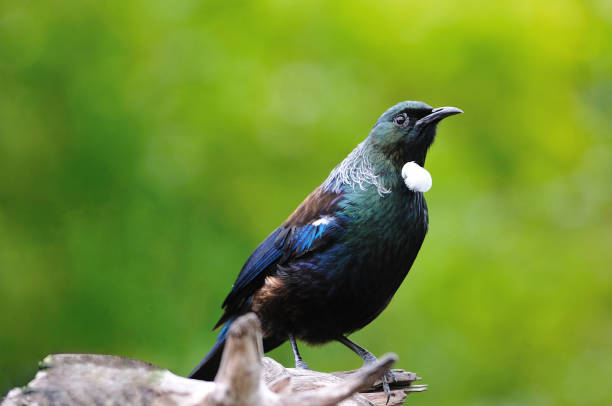
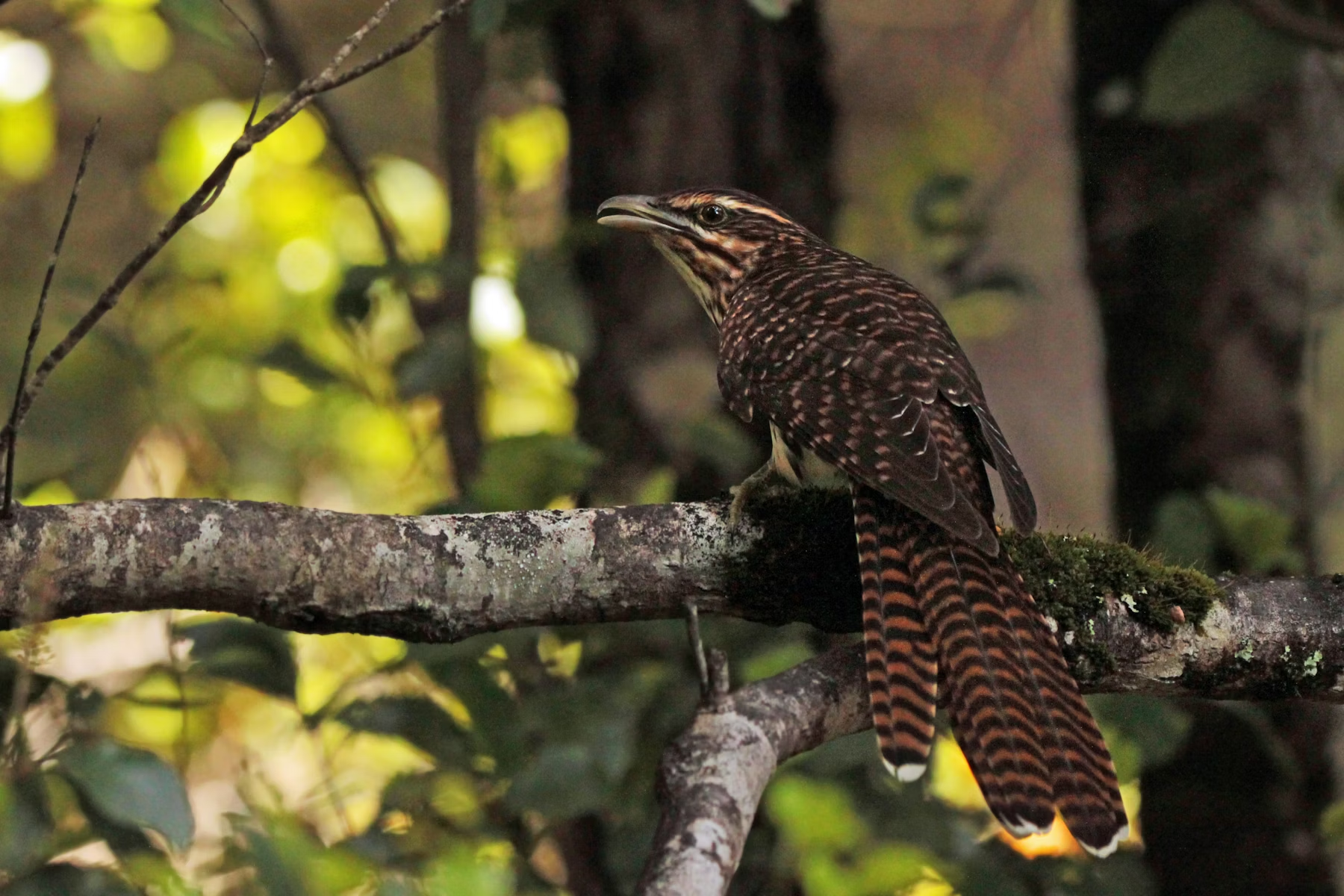
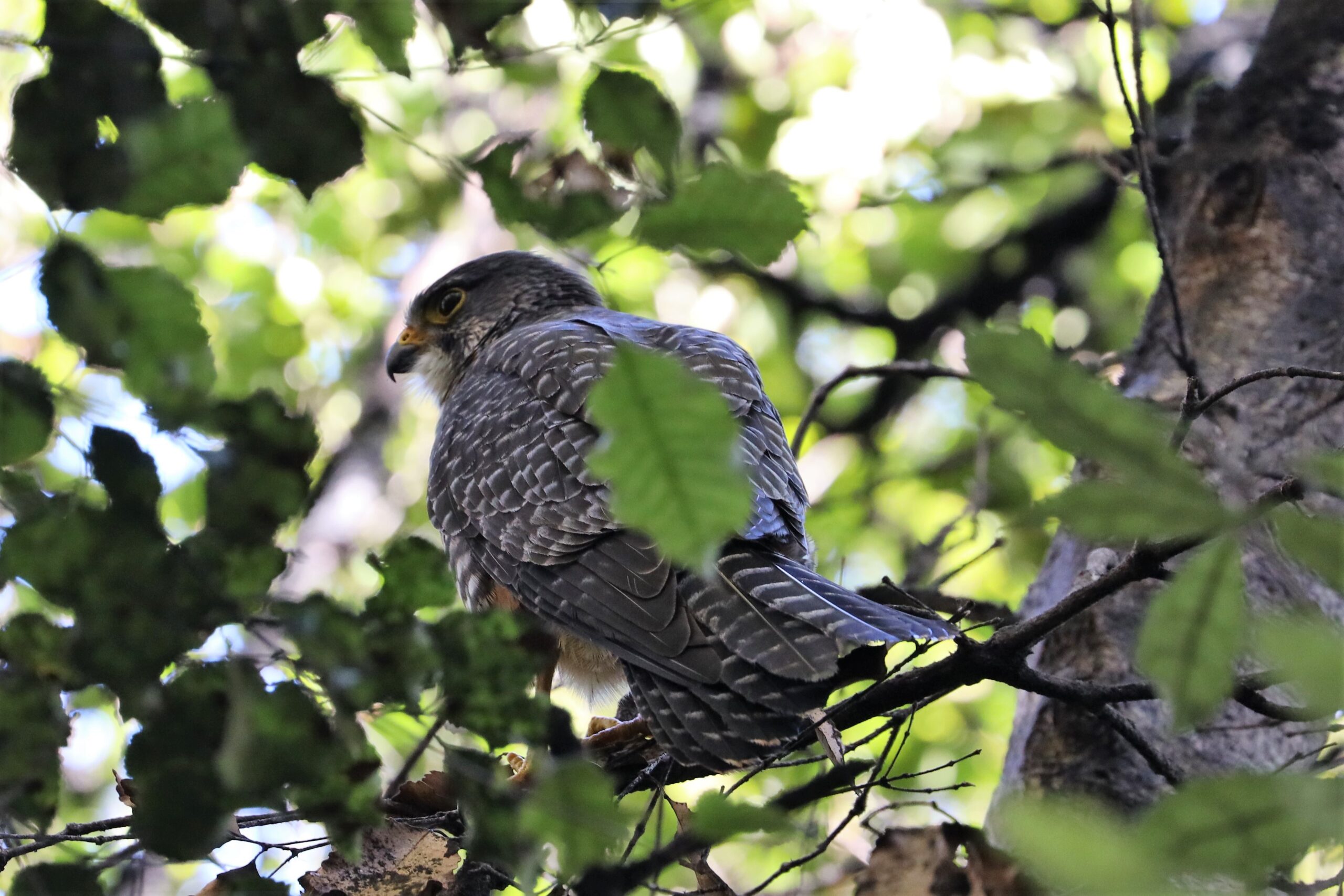
Our other residents
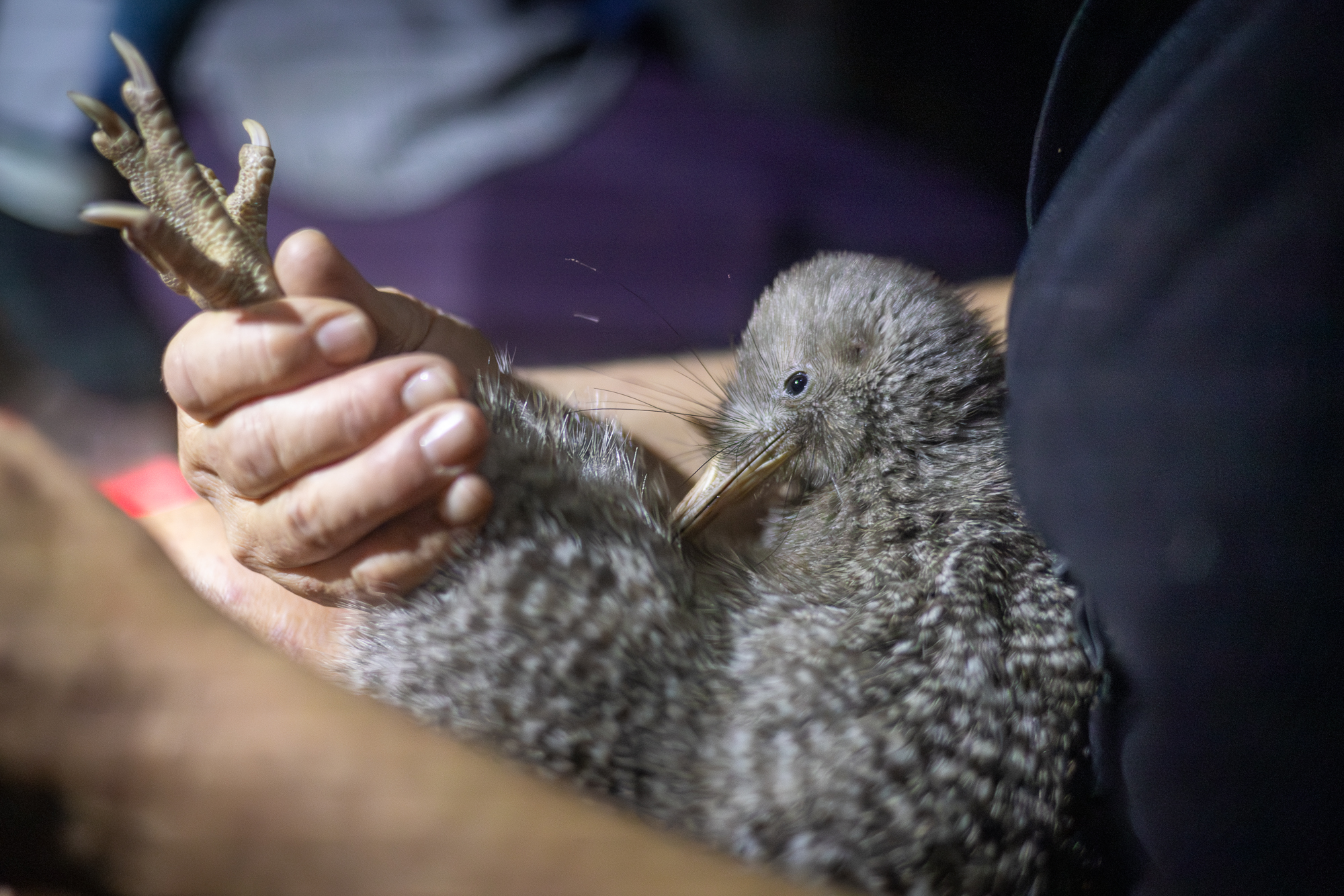
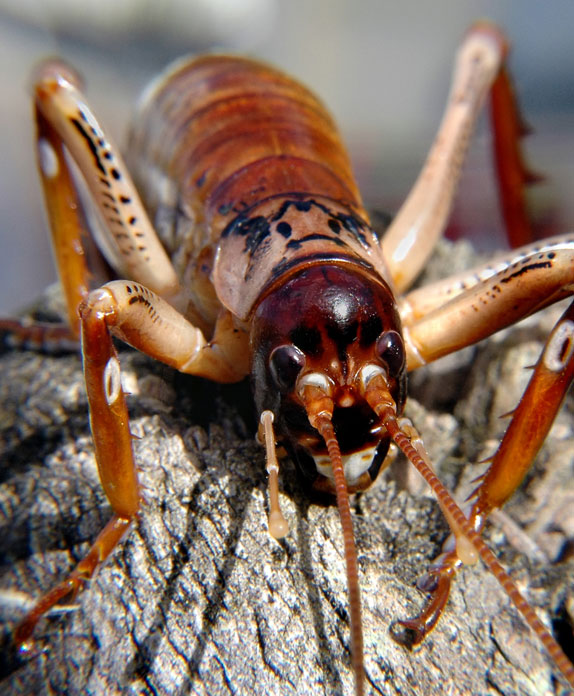
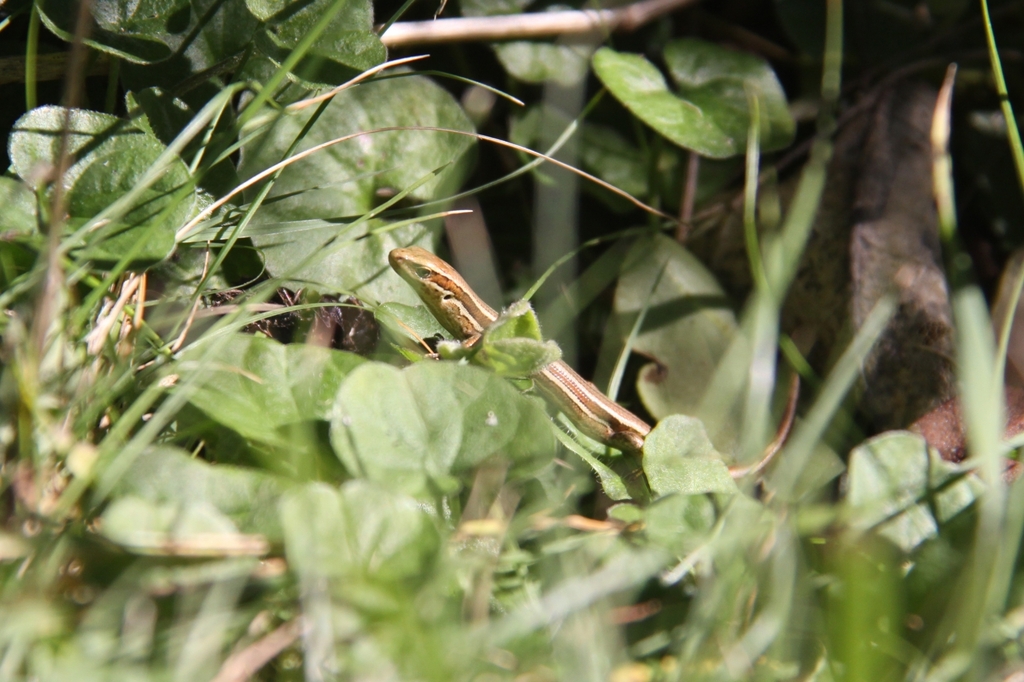
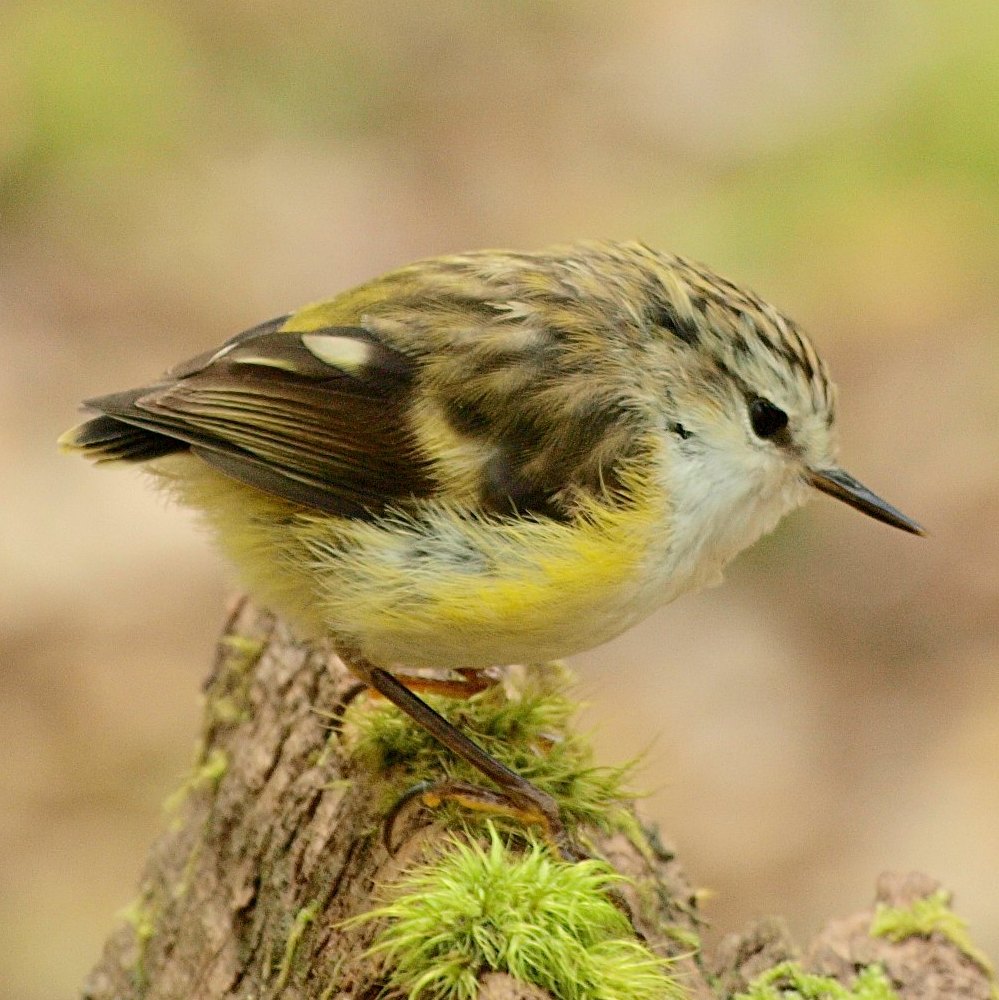
Check out some of the other incredible wildlife that call the Sanctuary home



Follow us on Instagram
@brooksanctuary
Share your photos with #brooksanctuary
🌿 BINGO NIGHT at Spring and Fern – The Meadow! 🎱
Looking for a fun night out while supporting a great cause? Join us for a night of bingo, good company and some fantastic prizes, all in support of the Brook Waimārama Sanctuary! 🌱
📅 Tuesday 20 October
⏰ 7pm
📍 Spring and Fern – The Meadow
💰 Remember to bring cash!
🎁 Great prizes are up for grabs, so bring your friends, bring your lucky streak, and get ready for a fun night supporting our native wildlife and conservation work.
We’d love to see you there! 🌿
Oct 18


Mental Health Awareness Week 2026 | Take a moment for yourself
Sometimes, the best thing we can do for our wellbeing is slow down, get outside and reconnect with nature.
At the Brook Waimārama Sanctuary, we’re lucky to be surrounded by native birdsong, towering trees and the peaceful sounds of the forest. Spending time in nature can help us feel calmer, lift our mood and give us space to reset.
Have you ever tried forest bathing? Also known as shinrin-yoku, it’s the practice of immersing yourself in the natural environment and mindfully connecting with your surroundings. It’s not about how far you walk or how quickly you get there; it’s about slowing down, noticing the sights and sounds around you, breathing in the fresh forest air and being present in the moment.
This Mental Health Week, we encourage you to take a little time for yourself. Wander beneath the trees, listen to the birds, feel the breeze on your face or simply pause and take a few deep breaths. Sometimes, a little time in nature is just what we need to recharge.
Remember, you don’t have to do everything at once, and it’s okay to ask for help when you need it. Looking after your mental wellbeing matters.
Find out more at the Mental Health Foundation of New Zealand: www.facebook.com/mentalhealthfoundationNZ
Take a breath. Slow down. Reconnect with nature.
📽 Video credit: Nicholas Roosen @nickjroosen
#MentalHealthWeek #ForestBathing #Wellbeing #NatureForWellbeing #BrookWaimāramaSanctuary #taketimeforyou
Oct 14

A big thank you to @patagonia and @mdoutdoorsnz for their recent generous donation to the Brook Waimārama Sanctuary. 💛
Through Patagonia’s Impact Incentive Programme, MD Outdoors had the opportunity to select a charity to support and chose the Sanctuary. We’re incredibly grateful to both organisations for their commitment to supporting conservation and protecting Aotearoa New Zealand’s unique wildlife and natural environment.
Every contribution helps us continue our work to protect threatened species, restore our native ecosystem, and ensure future generations can experience the wonders of our natural heritage.
MD Outdoors is proudly 100% locally owned and operated, and we’d also like to congratulate the team on recently opening their new store in Wakefield. It’s fantastic to see businesses supporting conservation and making a positive difference in our community.
Thank you, Patagonia and MD Outdoors for backing our mahi and helping us make a difference.
#BrookWaimāramaSanctuary #Patagonia #MDOutdoors #Conservation #ProtectingOurFuture
Oct 13

Support the Brook Waimārama Sanctuary at The Spectacle 2026! 💛
@runthespectacle brings runners and walkers of all abilities together in the heart of Whakatū Nelson, with challenges ranging from a mile to an incredible 100 miles.
You can support the Brook Waimārama Sanctuary by making a donation or taking part and fundraising for us. Every contribution, big or small, helps protect and restore our precious native wildlife and ngahere.
We’re thrilled to have 16 fundraisers already signed up to support the Sanctuary. Thank you for getting behind our kaupapa!
Want to go the extra mile? Sign up, choose the Sanctuary as your charity, and rally your friends, whānau and community to support you.
Together, we can make a difference for our native wildlife.
Donate or sign up today: 🔗Link in bio>>
#BrookWaimāramaSanctuary #TheSpectacle2026 #NelsonNZ #WhakatūNelson #ProtectOurWildlife #NativeWildlife #Conservation #Fundraising #SupportLocal #NewZealandNature #RunForNature #TogetherForNature
Oct 8

Yesterday, we celebrated the arrival of 29 tuatara from Takapourewa (Stephens Island) to the Sanctuary, marking another exciting milestone in our ongoing conservation efforts.
The translocation was led by @ngatikoatatrust kaitiaki of Takapourewa (Stephens Island) tuatara, alongside the @docgovtnz, bringing these incredible taonga into their new home at the Sanctuary.
The new arrivals have joined our existing tuatara population, strengthening genetic diversity and helping secure a future for this remarkable species in Te Tauihu.
Each tuatara was carefully checked before being released into a pre-drilled burrow within our mouse-exclusion fence, where they can settle into their new surroundings.
A huge thank you to everyone involved in making this special translocation possible, particularly @ngatikoatatrust and the @docgovtnz, and especially the team on Takapourewa, who put in some very long hours — and very little sleep — to make it happen.
And a special thank you to Elizabeth del Angel – @soft.currents.photography for capturing such beautiful images of this incredible moment.
@spinyback @nelsoncitycouncil @nbs.co.nz @nelsonpineindustries
Oct 4

👀 Someone was keeping a very close eye on the work!
Our Asset volunteer Barry climbed up his stepladder to finish the framing on the kākā release aviary roof — only to be met by a few very interested spectators!
Some of our kākā decided to take a cheeky look at Barry while he was busy carrying out the work.
Was it simple curiosity… or were our feathered friends making sure the job was being done properly?
Either way, it’s safe to say Barry had some very attentive supervisors on site!
When visiting the Sanctuary, you may be lucky enough to spot kākā too — so keep your eyes and ears open. You never know who might be watching you!
@ngatiapakiterato
#BrookWaimāramaSanctuary #Kākā #NativeWildlife #Conservation #Volunteer #Nelson
Sep 30
