
Rō
New Zealand Stick Insects
Phasmatodea
Their Story
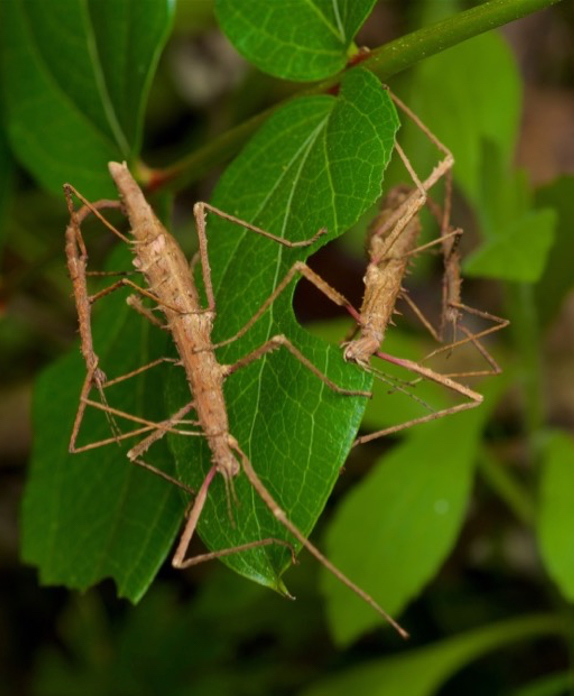
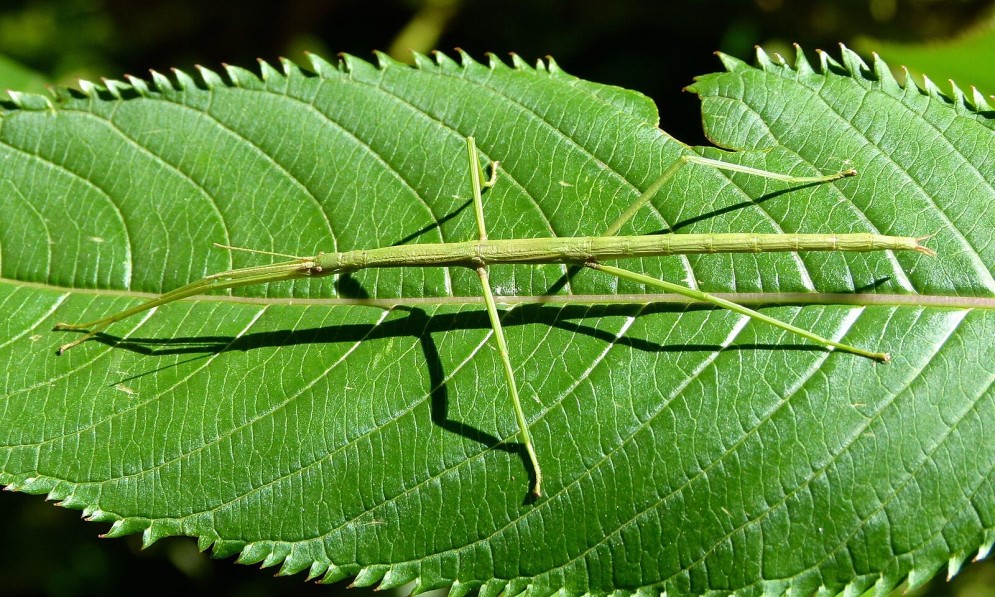
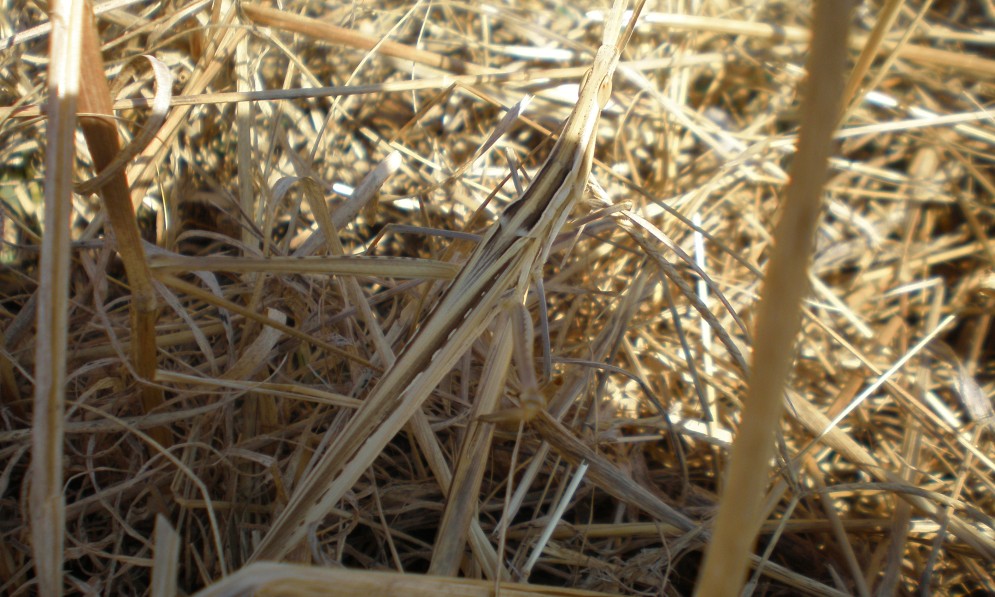
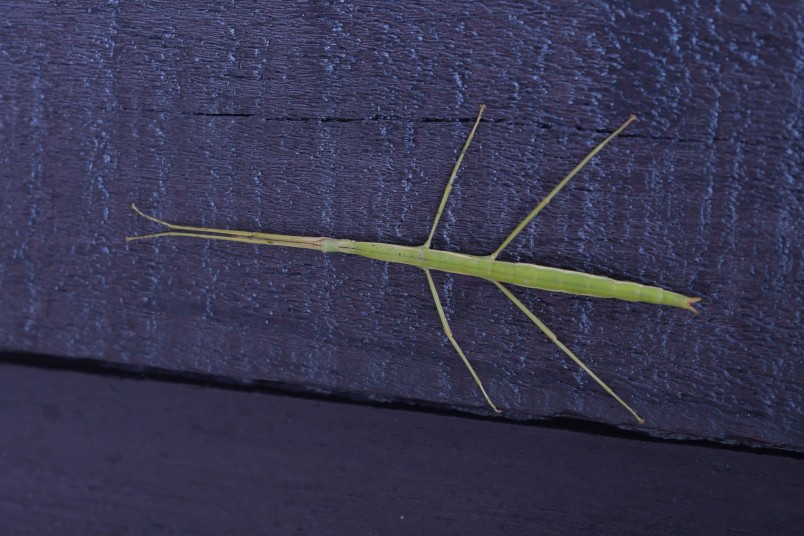
Rō, or stick insects are a fascinating group of herbivorous insects. Stick insects display a classic example of crypsis. That is, their behaviour and physiology work in tandem to remain completely undetected and unharmed. There are six species that have been detected within the Sanctuary so far, including the New Zealand giant stick insect.”
Conservation Status

All rō of Aotearoa are endemic, and though none are listed as threatened, most species have likely declined since human arrival and the subsequent loss of habitat. Additionally there may be additional pressures like rodent and vespulid wasp predation that affect populations. “
Population

Endemic to New Zealand, stick insect species are found in forested areas across the country. At Brook Waimārama Sanctuary, stick insects are regularly found.
Food

Rō feed on leaves high in the canopy of trees like kānuka. They are strict herbivores, so despite their often prickly appearance, they are completely harmless
Stick insects vary greatly in size and appearance, from small slender green forms to robust, bark-coloured adults that mimic branches. All native stick insects are flightless and have remarkable camouflage. Females are much larger than males. They will often hold their legs straight against their bodies to perfectly imitate a stick or stem.
Stick insects are generally nocturnal, moving slowly about the canopy feeding on leaves. Preferred food plants for some species are akatea – rātā vines and kānuka trees. Rō are large bodied, juicy insects and are mostly defenseless. To avoid being eaten by birds, they remain completely still during the day and rely on their camouflage to avoid predation.
Male stick insects are far smaller than females, and when breeding, the male will ride the backs of females for extended periods. Female stick insects may lay hundreds of small seed-like eggs, either on a host plant, in the ground or among the leaf litter. Some species, including the New Zealand giant stick insect, Argosarchus horridus, can lay eggs without male fertilisation. In some instances, whole populations can be made up of clones descended from a single female.
Endemic to New Zealand, stick insect species are found in forested areas across the country. At Brook Waimārama Sanctuary, the restored beech/podocarp forest and predator-free valley provide secure habitat for these elusive insects. Increased observations here help enrich understanding and appreciation of them.
All modern New Zealand stick insects are the relatives of two colonisation events from New Caledonia around 30 million years ago. They radiated into nine separate genera and dispersed into coastal, lowland and subalpine habitats, distributed across the motu.
At least six stick insect species live out their slow and sticky lives within the Brook Waimārama Sanctuary. On your visit you may find these species clinging to tree trunks or branches, If you have your eyes in! Others are very unlikely to spot as they live high in the trees. If you find an interesting stick insect, consider uploading an image to the amazing citizen science app, INaturalist so we can better understand our native biodiversity.
The New Zealand giant stick insect can grow up to 20 centimetres long! The juveniles in comparison, are generally only one or two centimetres.
Our other residents
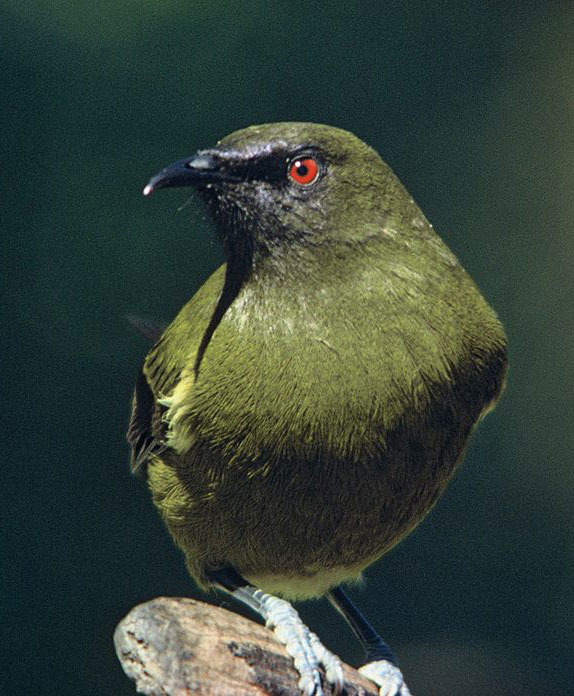
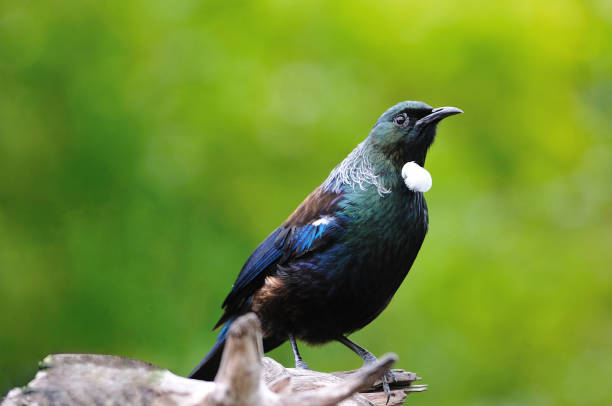
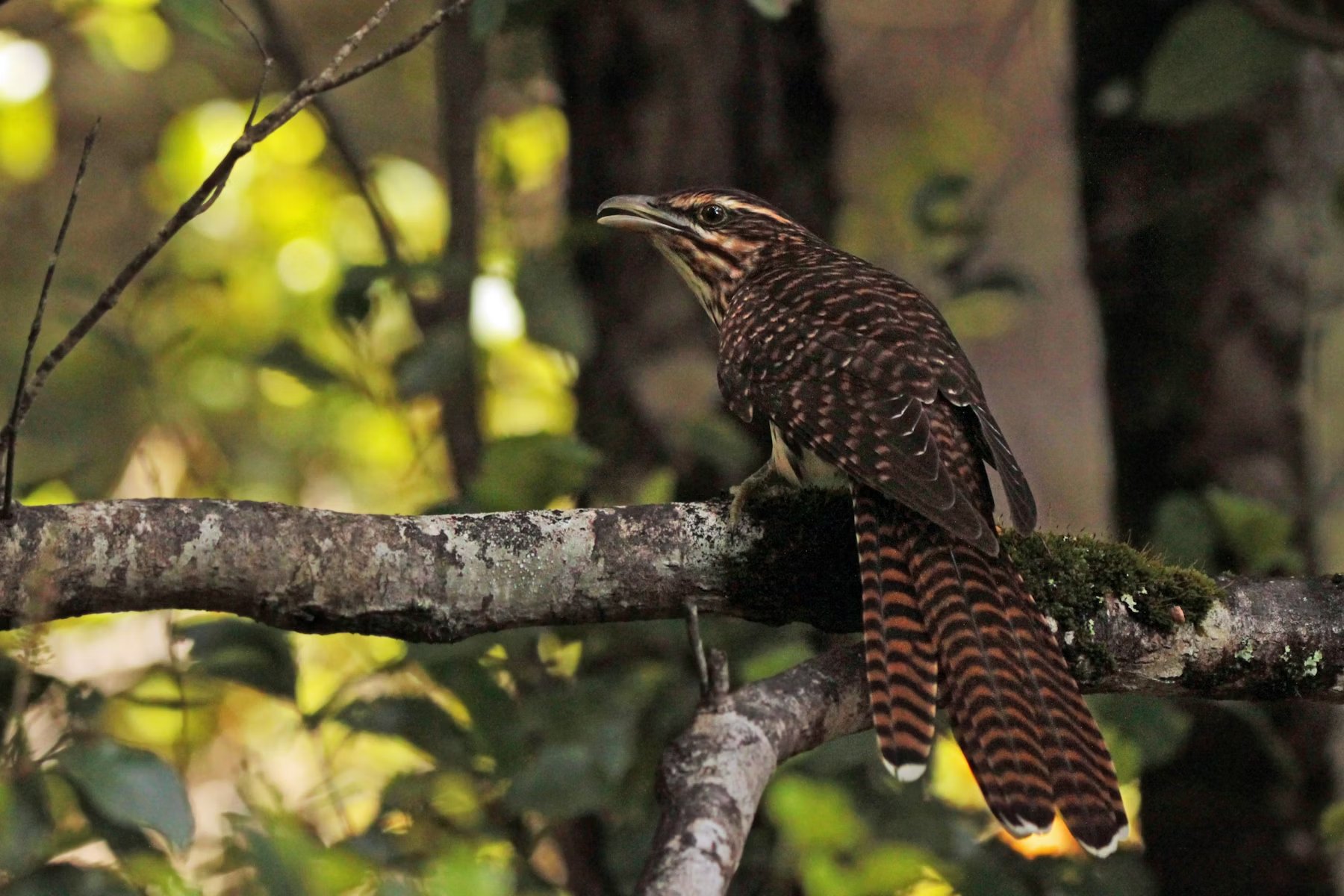
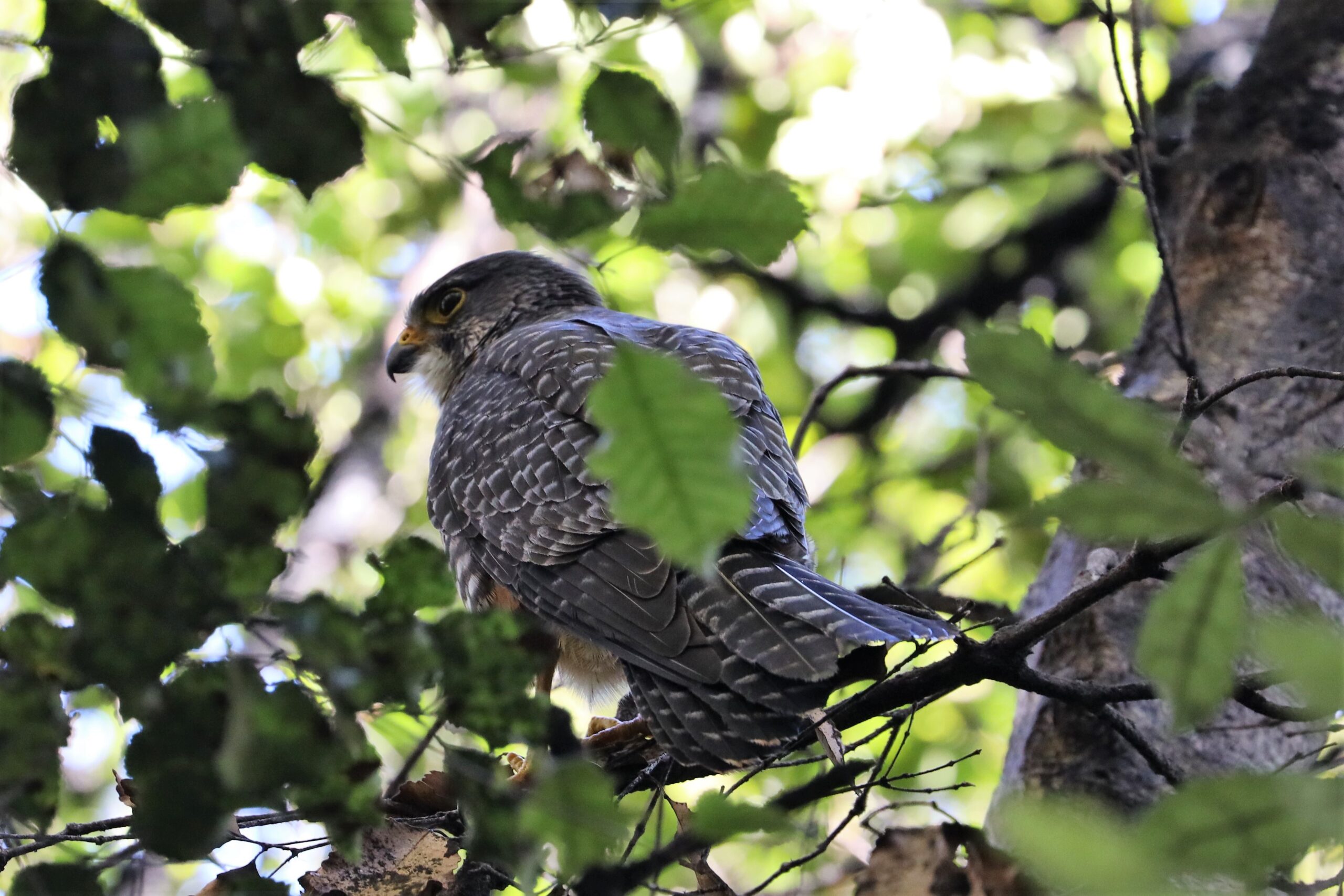
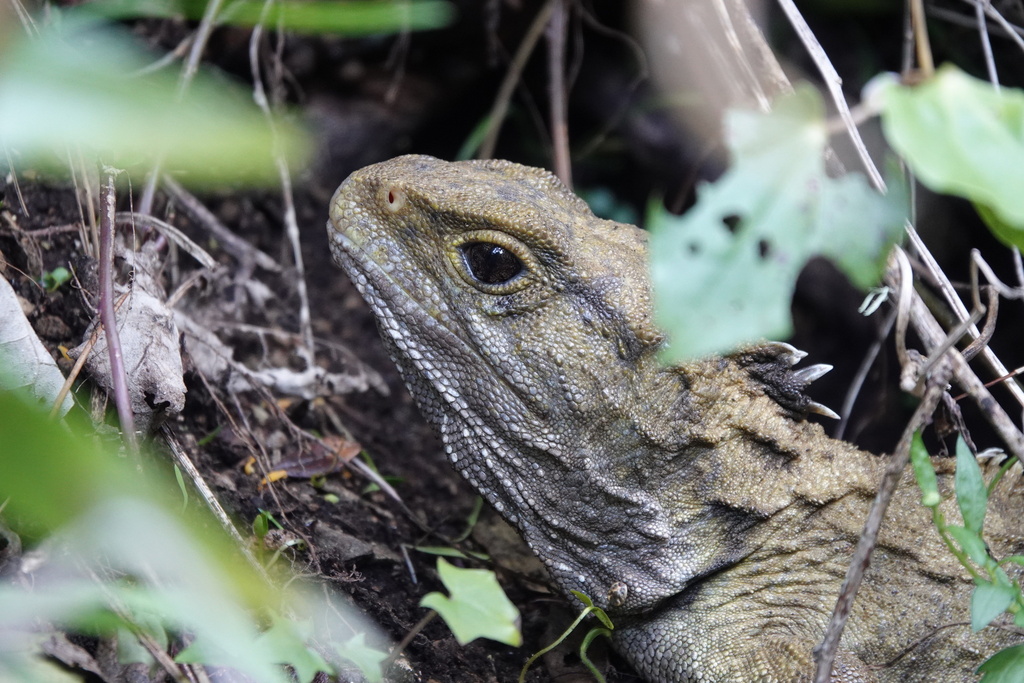
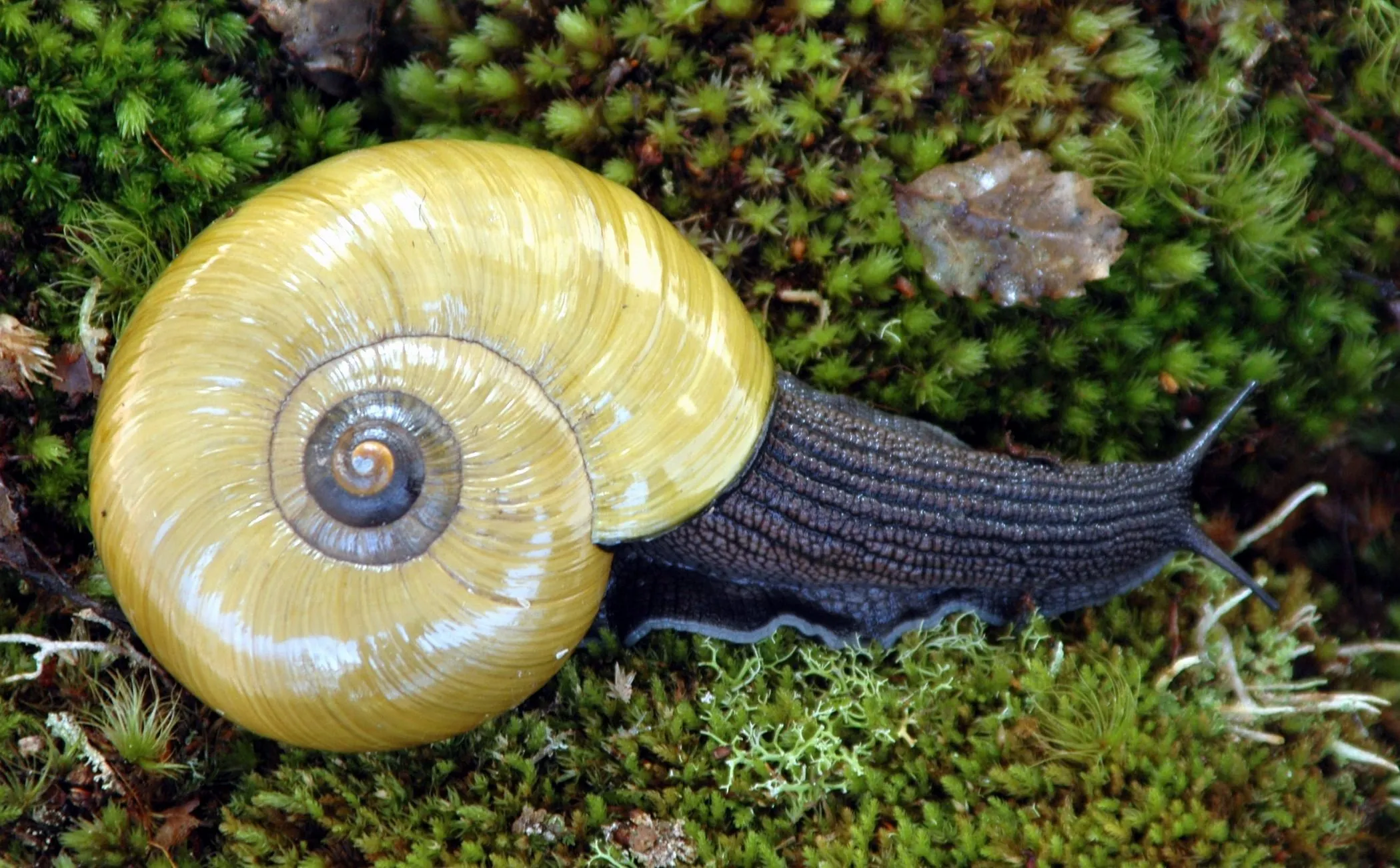
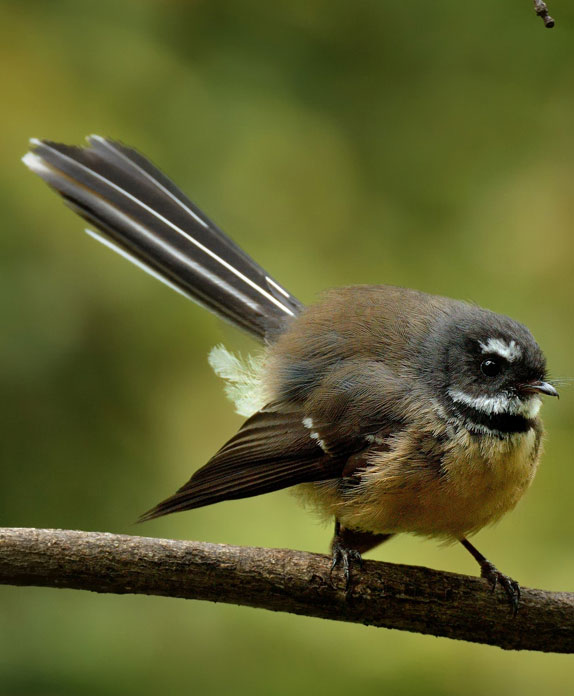
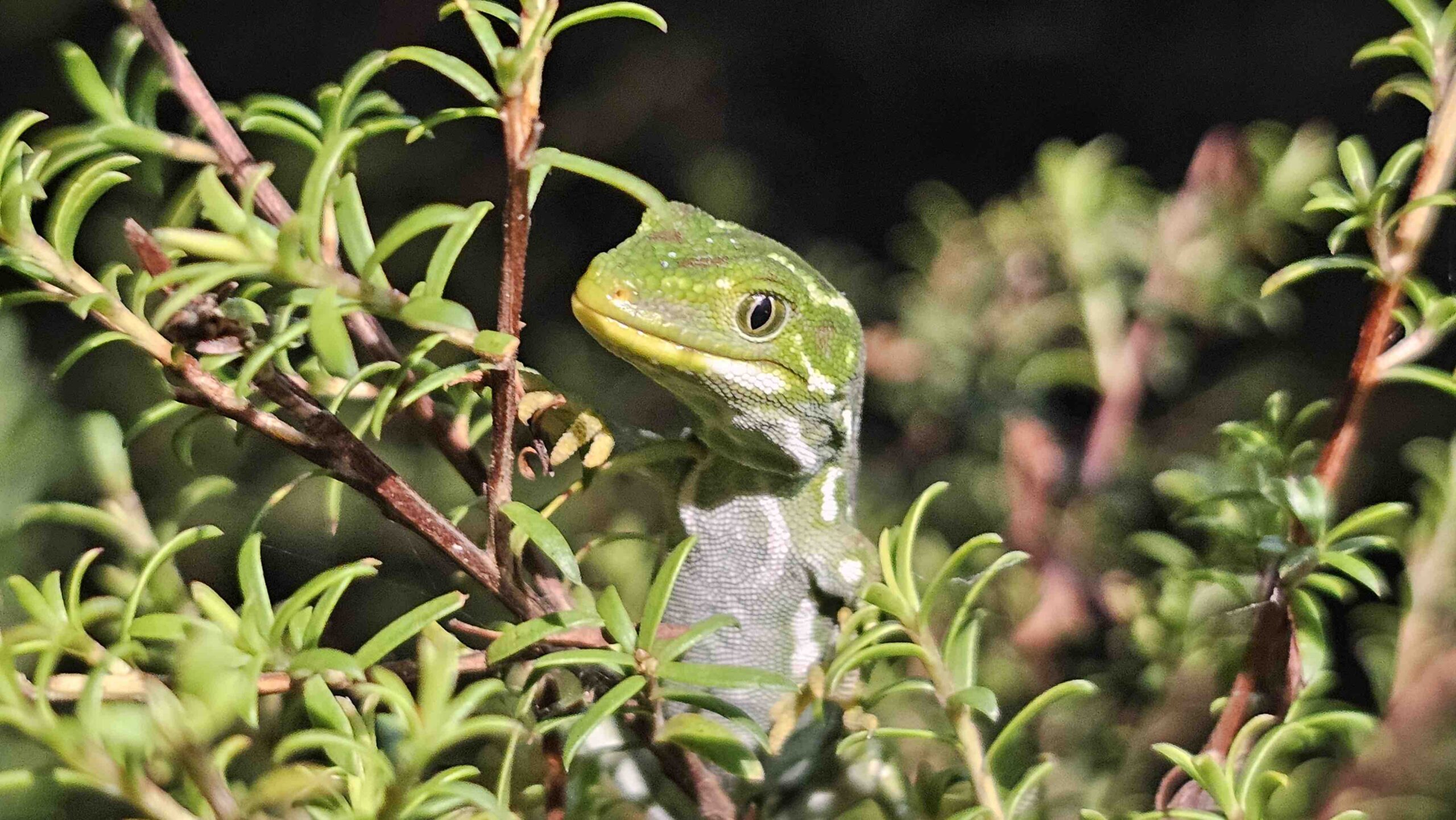
Check out some of the other incredible wildlife that call the Sanctuary home



Follow us on Instagram
@brooksanctuary
Share your photos with #brooksanctuary
🌿 BINGO NIGHT at Spring and Fern – The Meadow! 🎱
Looking for a fun night out while supporting a great cause? Join us for a night of bingo, good company and some fantastic prizes, all in support of the Brook Waimārama Sanctuary! 🌱
📅 Tuesday 20 October
⏰ 7pm
📍 Spring and Fern – The Meadow
💰 Remember to bring cash!
🎁 Great prizes are up for grabs, so bring your friends, bring your lucky streak, and get ready for a fun night supporting our native wildlife and conservation work.
We’d love to see you there! 🌿
Oct 18


Mental Health Awareness Week 2026 | Take a moment for yourself
Sometimes, the best thing we can do for our wellbeing is slow down, get outside and reconnect with nature.
At the Brook Waimārama Sanctuary, we’re lucky to be surrounded by native birdsong, towering trees and the peaceful sounds of the forest. Spending time in nature can help us feel calmer, lift our mood and give us space to reset.
Have you ever tried forest bathing? Also known as shinrin-yoku, it’s the practice of immersing yourself in the natural environment and mindfully connecting with your surroundings. It’s not about how far you walk or how quickly you get there; it’s about slowing down, noticing the sights and sounds around you, breathing in the fresh forest air and being present in the moment.
This Mental Health Week, we encourage you to take a little time for yourself. Wander beneath the trees, listen to the birds, feel the breeze on your face or simply pause and take a few deep breaths. Sometimes, a little time in nature is just what we need to recharge.
Remember, you don’t have to do everything at once, and it’s okay to ask for help when you need it. Looking after your mental wellbeing matters.
Find out more at the Mental Health Foundation of New Zealand: www.facebook.com/mentalhealthfoundationNZ
Take a breath. Slow down. Reconnect with nature.
📽 Video credit: Nicholas Roosen @nickjroosen
#MentalHealthWeek #ForestBathing #Wellbeing #NatureForWellbeing #BrookWaimāramaSanctuary #taketimeforyou
Oct 14

A big thank you to @patagonia and @mdoutdoorsnz for their recent generous donation to the Brook Waimārama Sanctuary. 💛
Through Patagonia’s Impact Incentive Programme, MD Outdoors had the opportunity to select a charity to support and chose the Sanctuary. We’re incredibly grateful to both organisations for their commitment to supporting conservation and protecting Aotearoa New Zealand’s unique wildlife and natural environment.
Every contribution helps us continue our work to protect threatened species, restore our native ecosystem, and ensure future generations can experience the wonders of our natural heritage.
MD Outdoors is proudly 100% locally owned and operated, and we’d also like to congratulate the team on recently opening their new store in Wakefield. It’s fantastic to see businesses supporting conservation and making a positive difference in our community.
Thank you, Patagonia and MD Outdoors for backing our mahi and helping us make a difference.
#BrookWaimāramaSanctuary #Patagonia #MDOutdoors #Conservation #ProtectingOurFuture
Oct 13

Support the Brook Waimārama Sanctuary at The Spectacle 2026! 💛
@runthespectacle brings runners and walkers of all abilities together in the heart of Whakatū Nelson, with challenges ranging from a mile to an incredible 100 miles.
You can support the Brook Waimārama Sanctuary by making a donation or taking part and fundraising for us. Every contribution, big or small, helps protect and restore our precious native wildlife and ngahere.
We’re thrilled to have 16 fundraisers already signed up to support the Sanctuary. Thank you for getting behind our kaupapa!
Want to go the extra mile? Sign up, choose the Sanctuary as your charity, and rally your friends, whānau and community to support you.
Together, we can make a difference for our native wildlife.
Donate or sign up today: 🔗Link in bio>>
#BrookWaimāramaSanctuary #TheSpectacle2026 #NelsonNZ #WhakatūNelson #ProtectOurWildlife #NativeWildlife #Conservation #Fundraising #SupportLocal #NewZealandNature #RunForNature #TogetherForNature
Oct 8

Yesterday, we celebrated the arrival of 29 tuatara from Takapourewa (Stephens Island) to the Sanctuary, marking another exciting milestone in our ongoing conservation efforts.
The translocation was led by @ngatikoatatrust kaitiaki of Takapourewa (Stephens Island) tuatara, alongside the @docgovtnz, bringing these incredible taonga into their new home at the Sanctuary.
The new arrivals have joined our existing tuatara population, strengthening genetic diversity and helping secure a future for this remarkable species in Te Tauihu.
Each tuatara was carefully checked before being released into a pre-drilled burrow within our mouse-exclusion fence, where they can settle into their new surroundings.
A huge thank you to everyone involved in making this special translocation possible, particularly @ngatikoatatrust and the @docgovtnz, and especially the team on Takapourewa, who put in some very long hours — and very little sleep — to make it happen.
And a special thank you to Elizabeth del Angel – @soft.currents.photography for capturing such beautiful images of this incredible moment.
@spinyback @nelsoncitycouncil @nbs.co.nz @nelsonpineindustries
Oct 4

👀 Someone was keeping a very close eye on the work!
Our Asset volunteer Barry climbed up his stepladder to finish the framing on the kākā release aviary roof — only to be met by a few very interested spectators!
Some of our kākā decided to take a cheeky look at Barry while he was busy carrying out the work.
Was it simple curiosity… or were our feathered friends making sure the job was being done properly?
Either way, it’s safe to say Barry had some very attentive supervisors on site!
When visiting the Sanctuary, you may be lucky enough to spot kākā too — so keep your eyes and ears open. You never know who might be watching you!
@ngatiapakiterato
#BrookWaimāramaSanctuary #Kākā #NativeWildlife #Conservation #Volunteer #Nelson
Sep 30
