
Kākā
Nestor meridionalis
Their Story
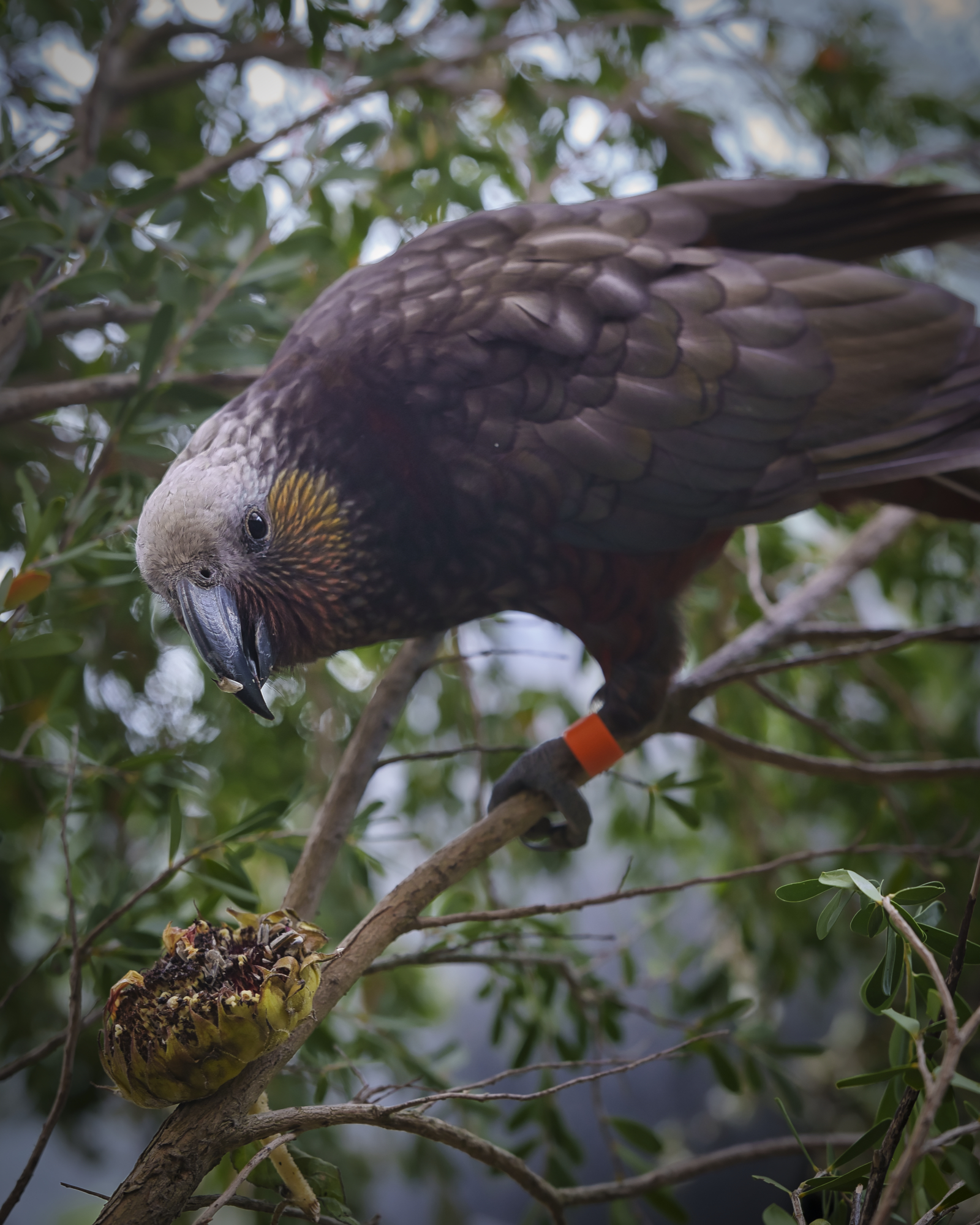
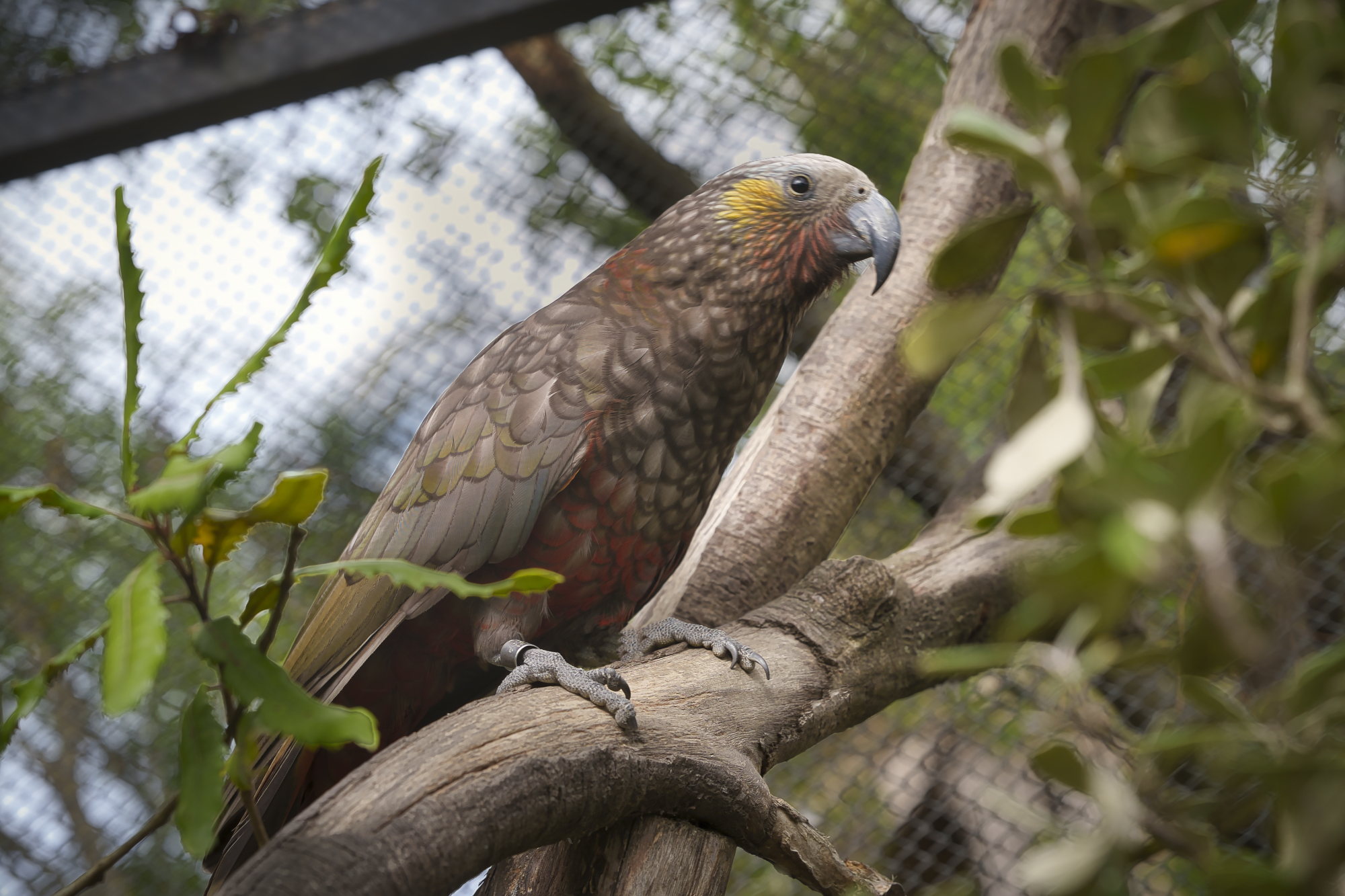
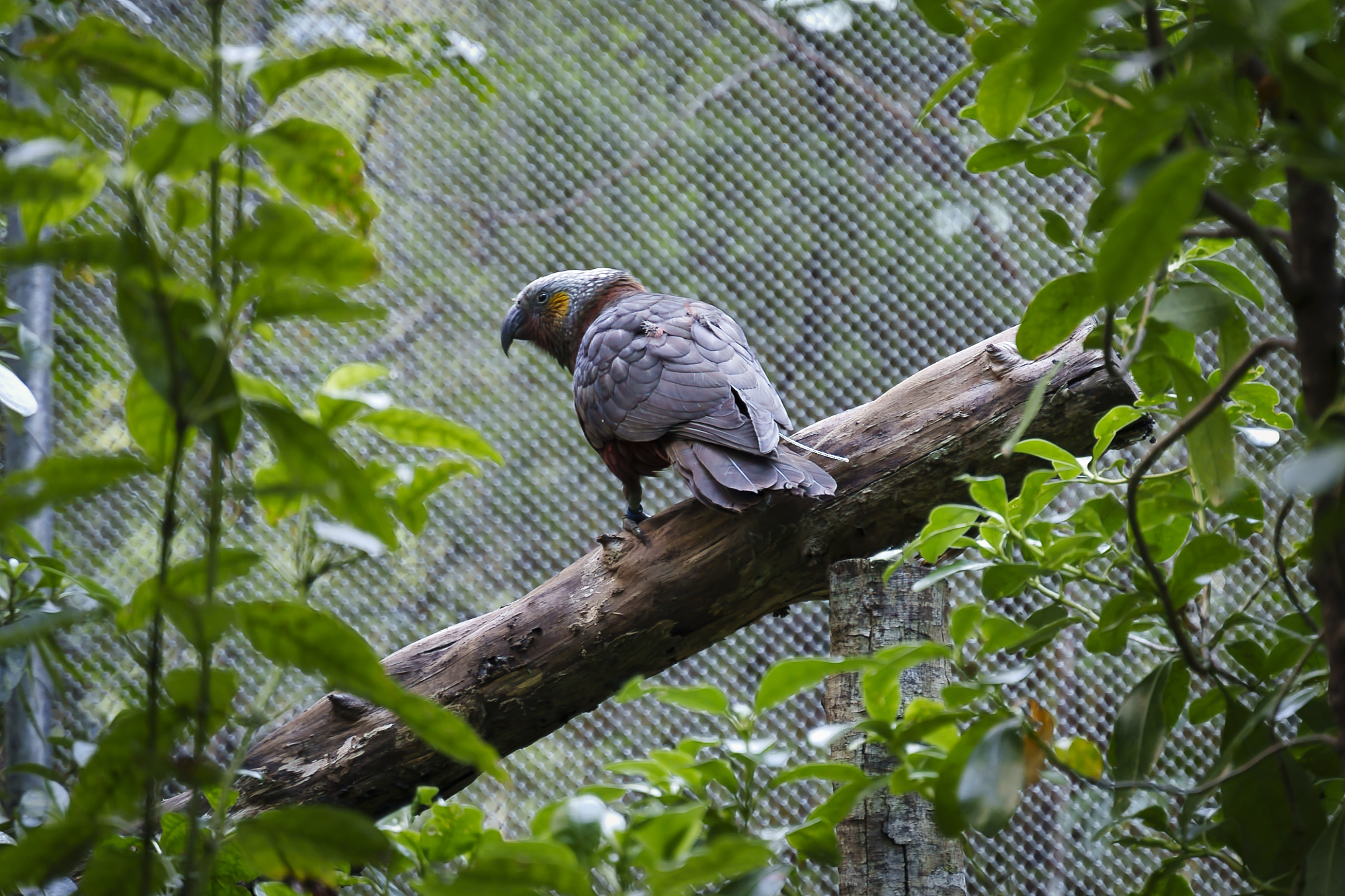
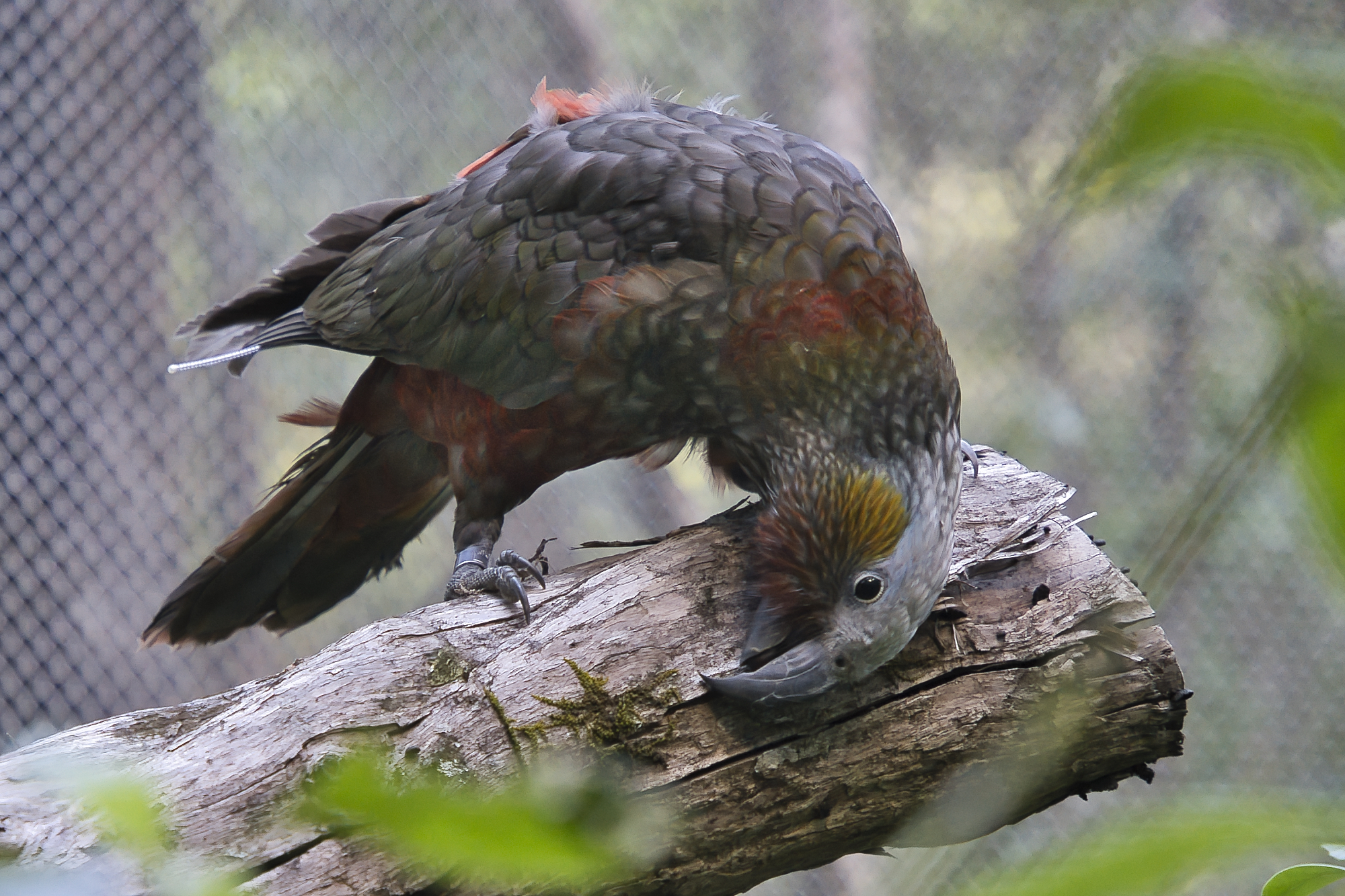
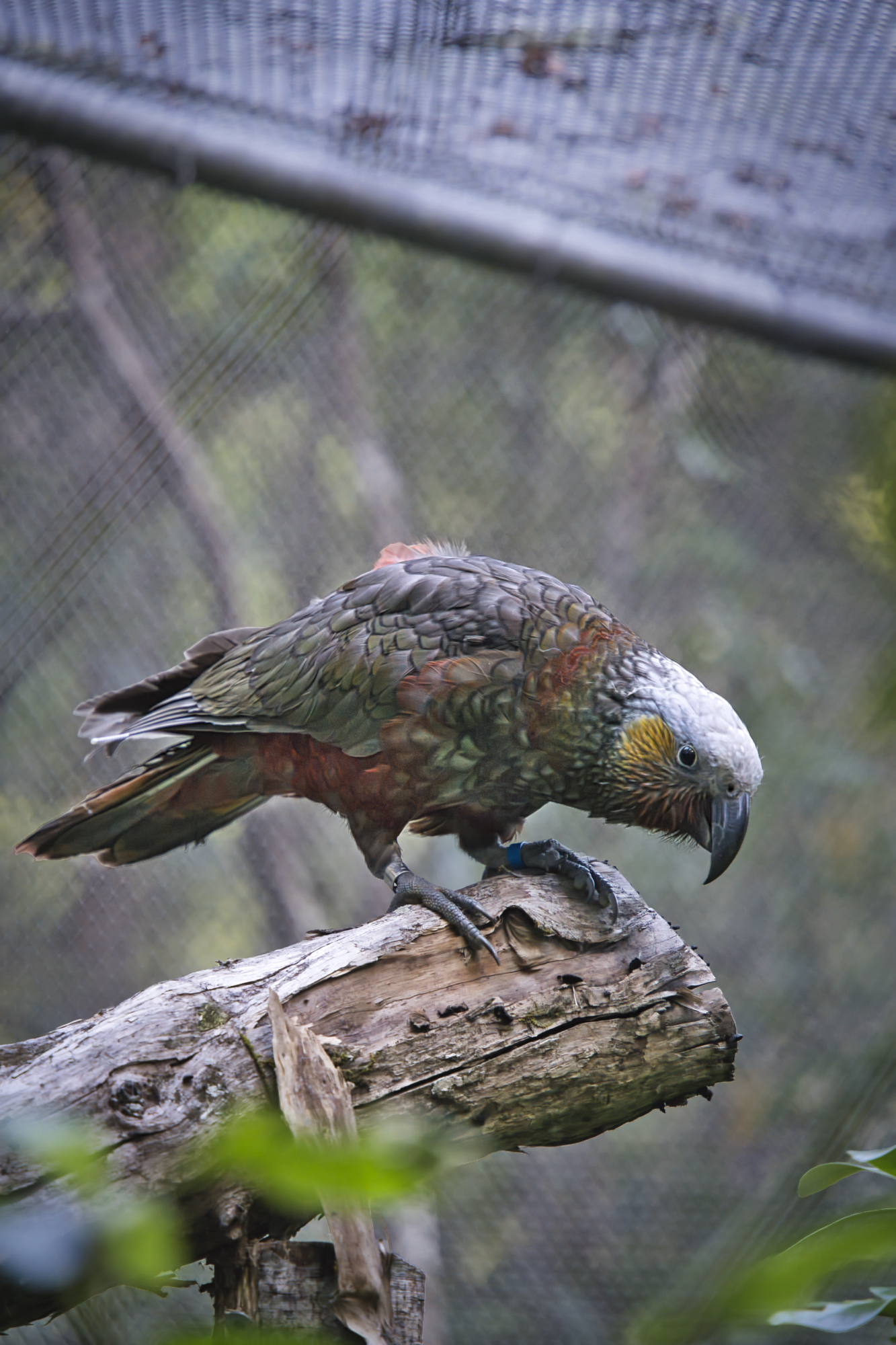
Our kākā are continuing to settle into life at the Brook Waimārama Sanctuary, coming and going as they explore their new home.
There names given by Ngāti Apa ki te Rā Tō and colour ID bands: Rotopōhueroa (female) (Blue), and Males – Rotomairewhenua (Red), Rotoroa (Green), Rotoiti (Orange) and Paraumu (Pink)
These birds are part of a South Island kākā breeding programme and play an important role in our long-term ambition to establish a thriving kākā population at the Sanctuary and across the surrounding Te Tauihu / Top of the South forests.
If you’re visiting the Sanctuary, keep an eye on the canopy and listen for their distinctive calls. You may be lucky enough to spot a kākā coming or going from the aviary as they continue to explore their surroundings. We’d also love to hear about any sightings from the community.
Keep kākā wild. Every sighting is a reminder of the important work underway to restore our native wildlife for future generations.
This work has been made possible through collaboration with Ngāti Apa ki te Rā Tō, the Department of Conservation, Natureland Zoo, World Parrot Trust and Nelson City Council.
Conservation Status

Endemic – Recovering
Although forest clearance has destroyed all but a fraction of the kākā’s former habitat, the biggest threat to their survival is introduced mammalian predators, particularly the stoat, but also the brushtail possum. It is predation by these pests, particularly of nesting females, that is the reason for general rarity of kākā on the main islands compared to their forested offshore island strongholds. Kākā can coexist with rats, and possibly also with possums, but not with stoats. Kākā populations can, however, recover when stoats and other pests are controlled by trapping or poisoning.
Population

Probably fewer than 10,000 birds. There appears to be sufficient gene flow between most populations to prevent the development of significant genetic differences between them. Kākā Translocated to the Sanctuary are of Top of the South genetic’s.
Voice

A harsh, repeated, rhythmic “ka-aa” when flying above the forest canopy, harsh grating “kraak” alarm call when disturbed. Also a variety of loud, musical whistles, but these vary markedly from place to place. Males give a soft “tsee-tsee-tsee” call during the pre-copulatory display and when showing potential nest sites to females. Females soliciting food from their mates, and juveniles soliciting food from their parents, utter a guttural, repeated “aa-aa” call.
Food

Kākā consume seeds, fruit, nectar, sap, honeydew and tree-dwelling, especially wood-boring, invertebrates. There are also two records of kaka preying on the eggs of small passerines. Kākā are seasonal specialists, moving from food source to food source as different fruits, seeds and nectar become available.
Our other residents
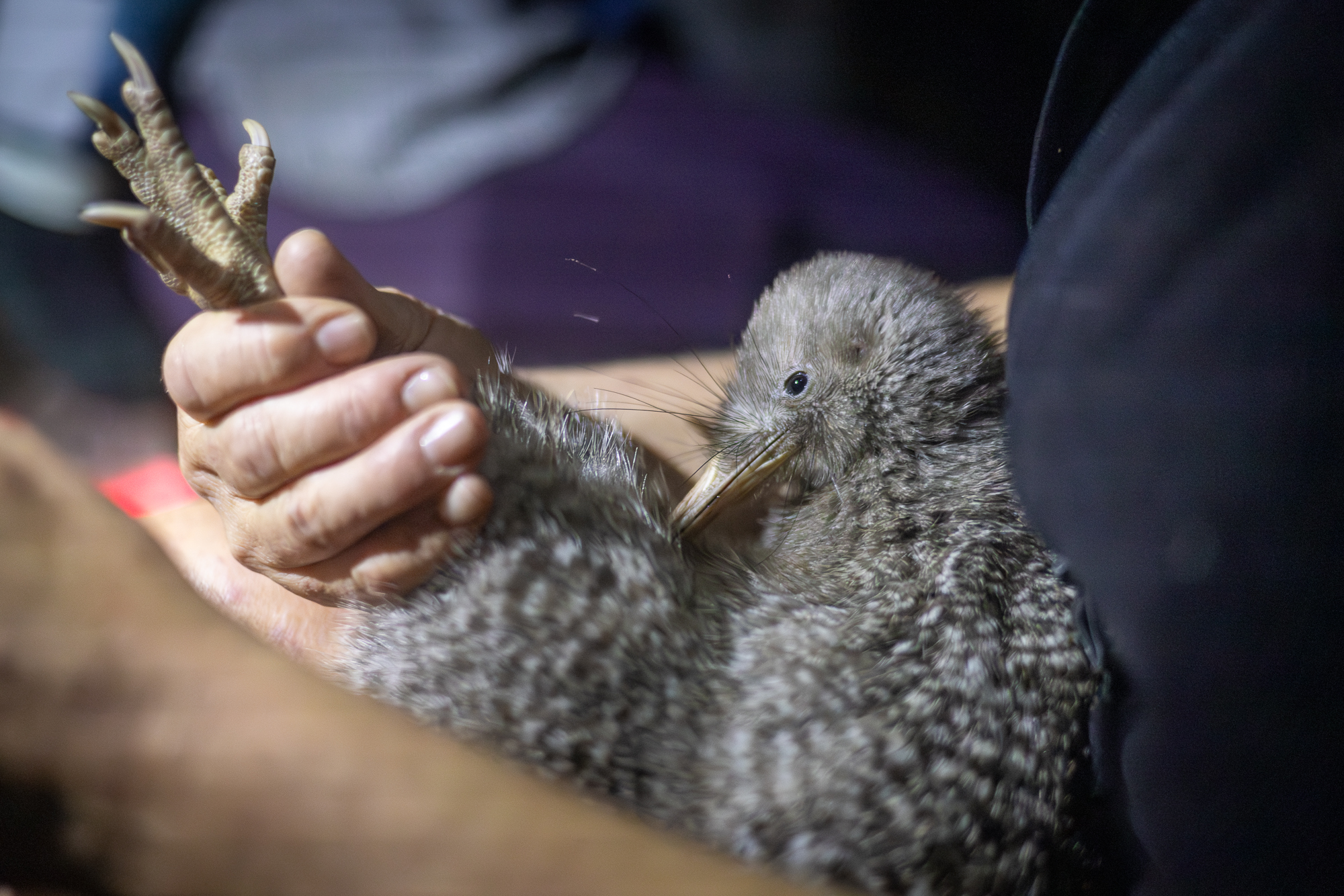
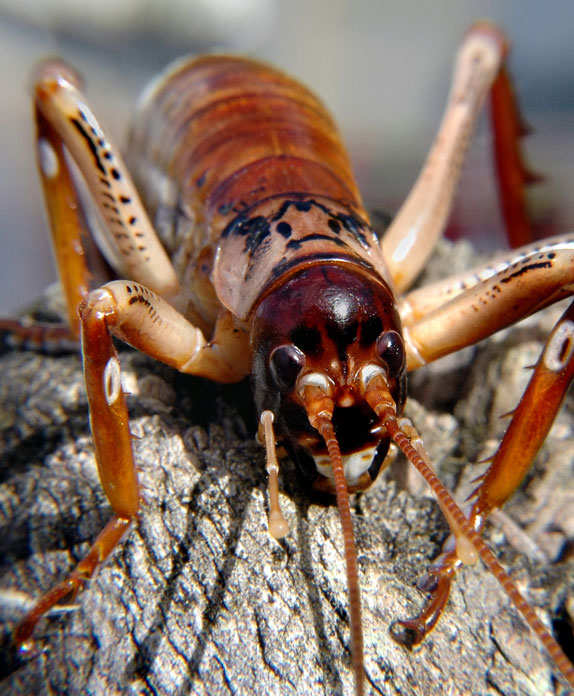
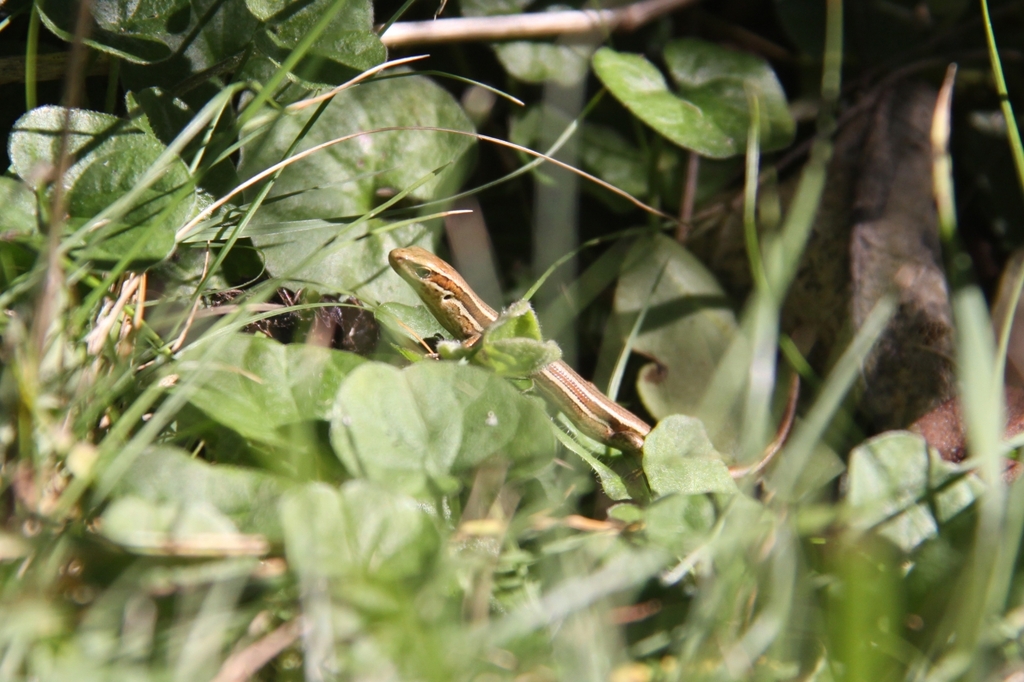
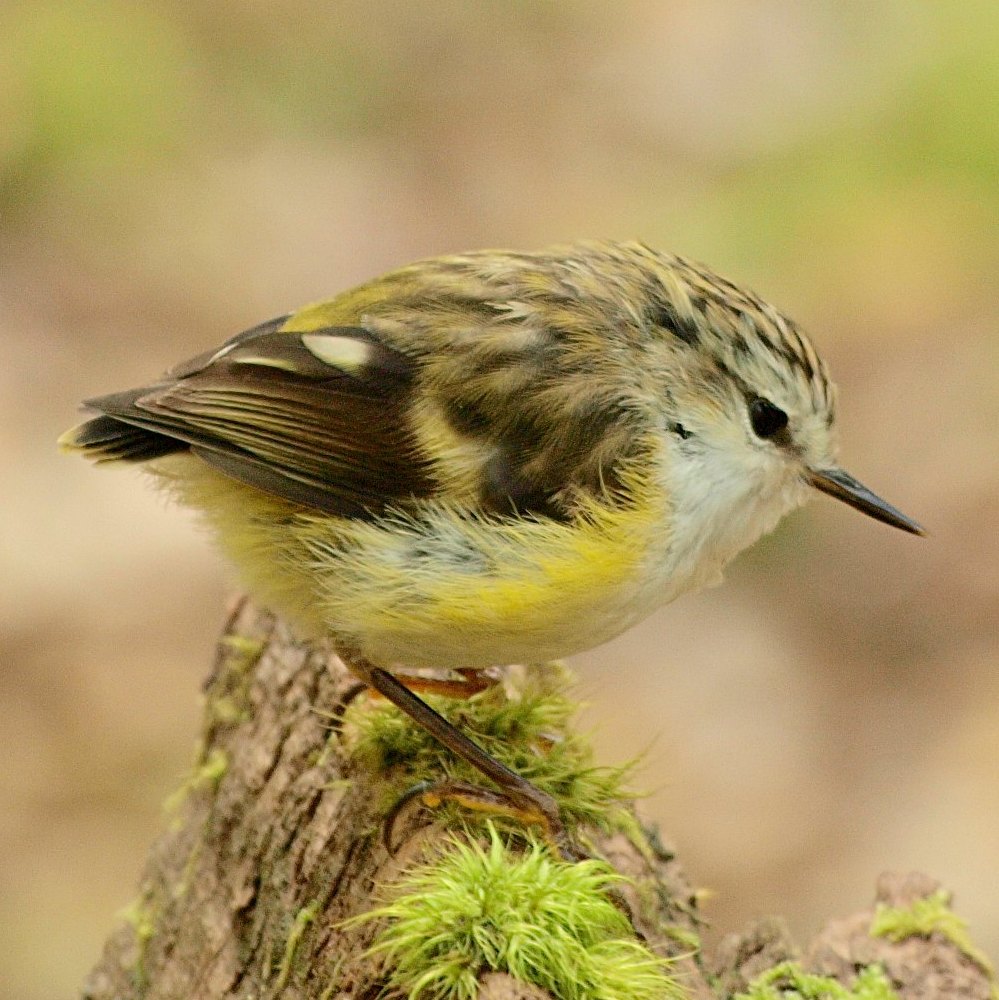
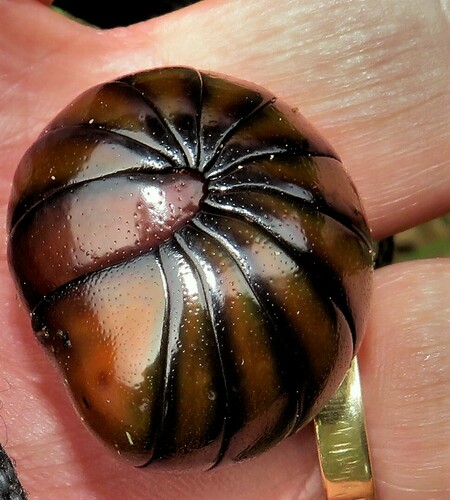
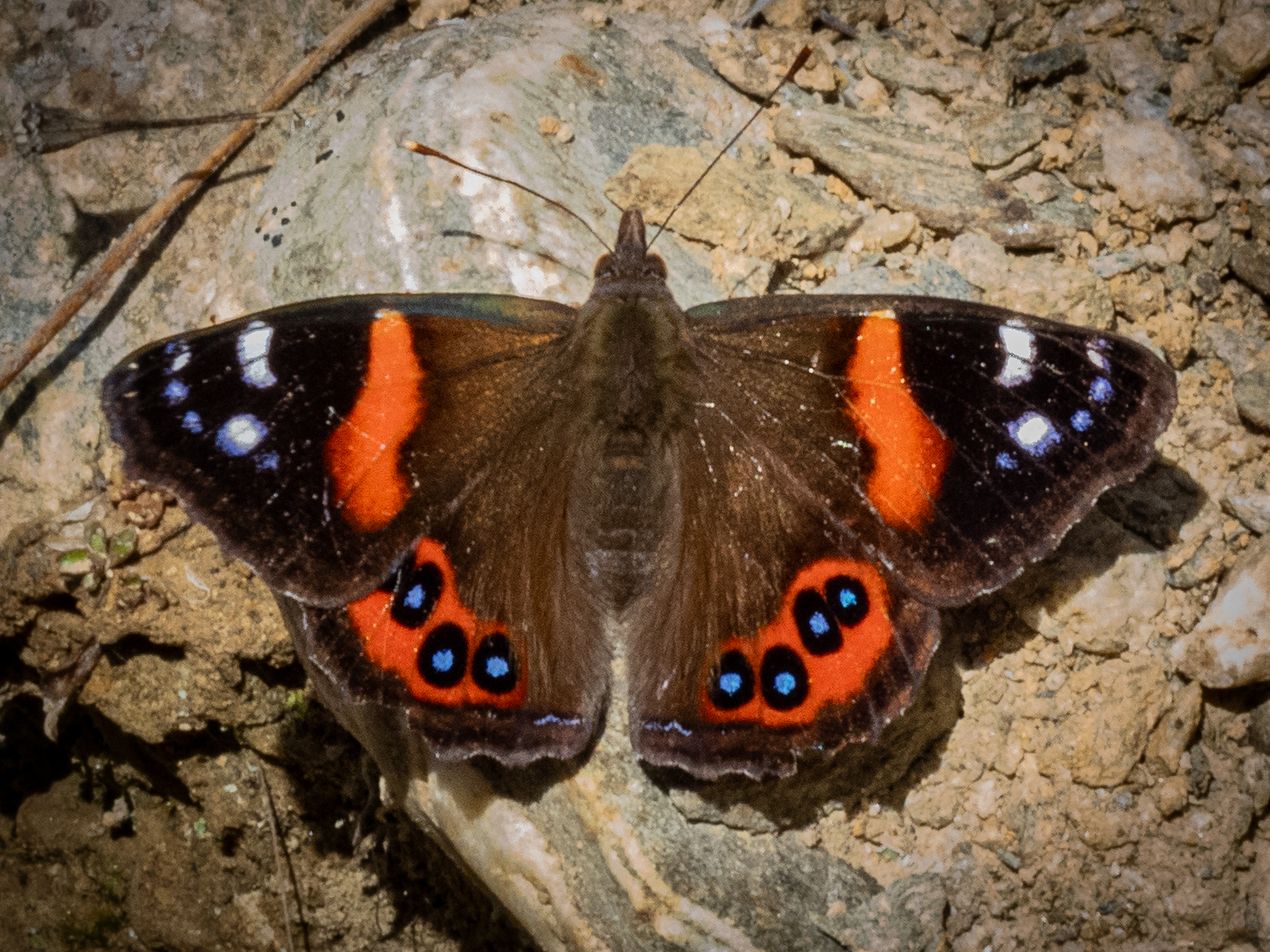
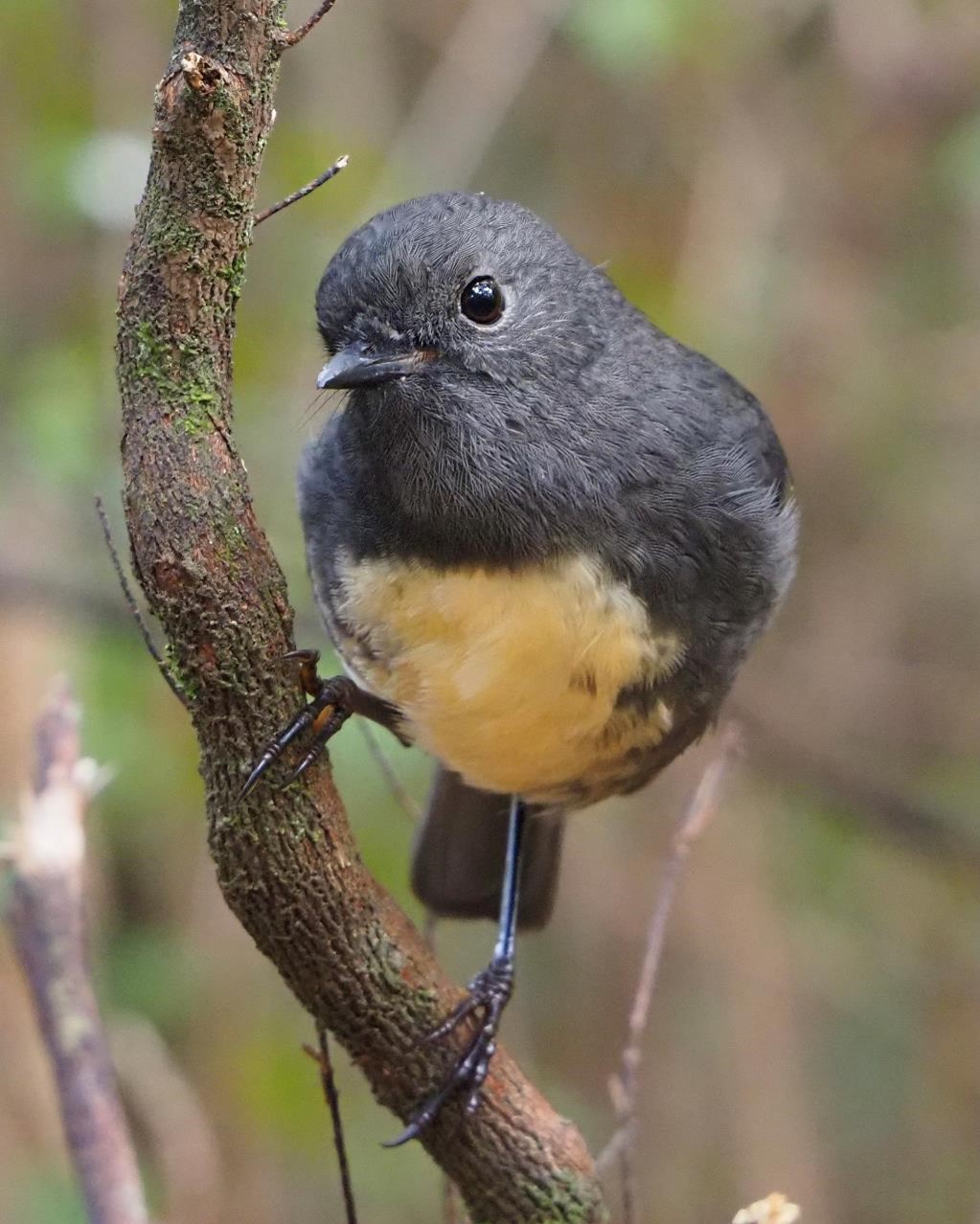
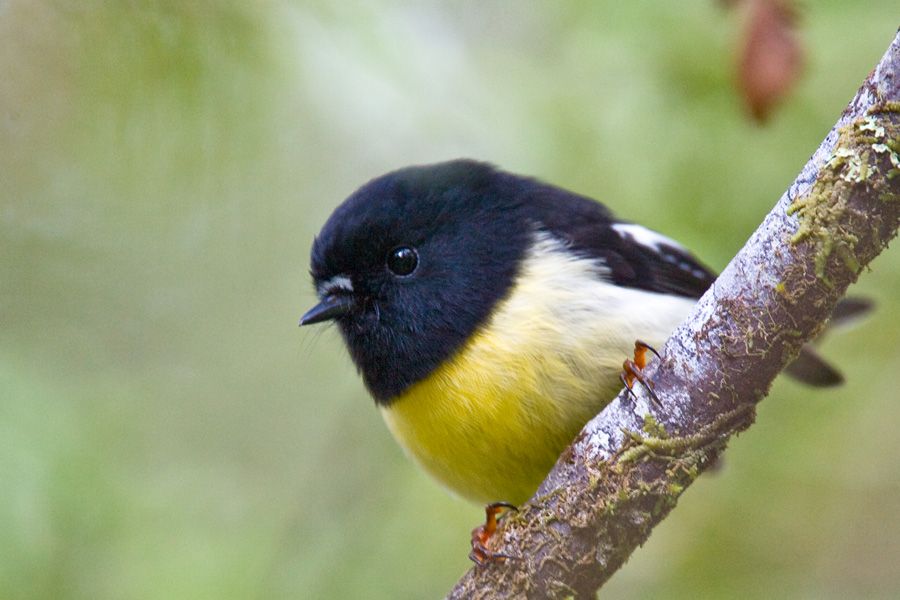
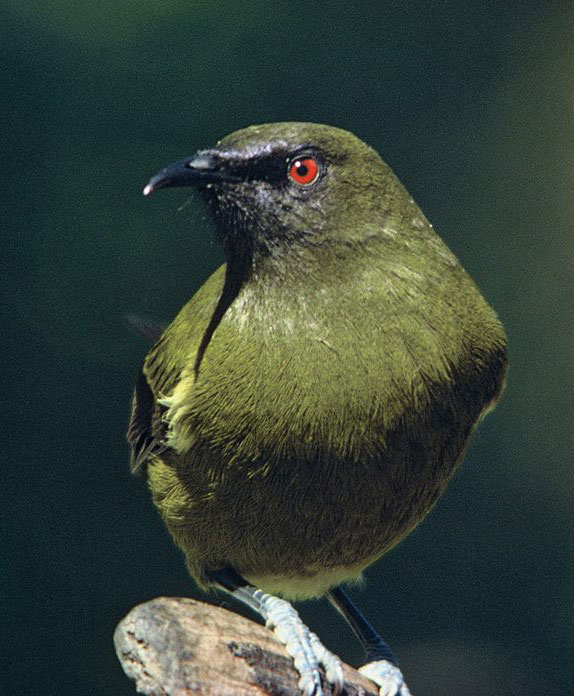
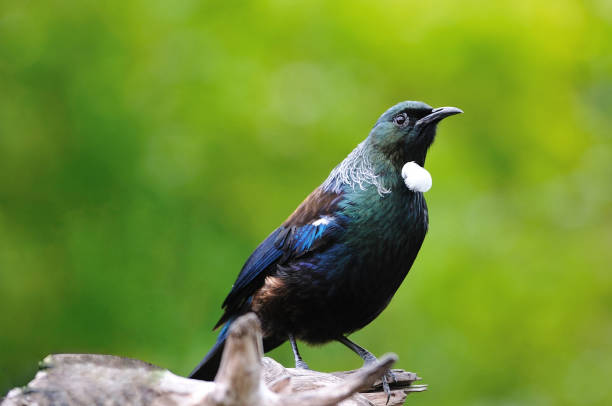
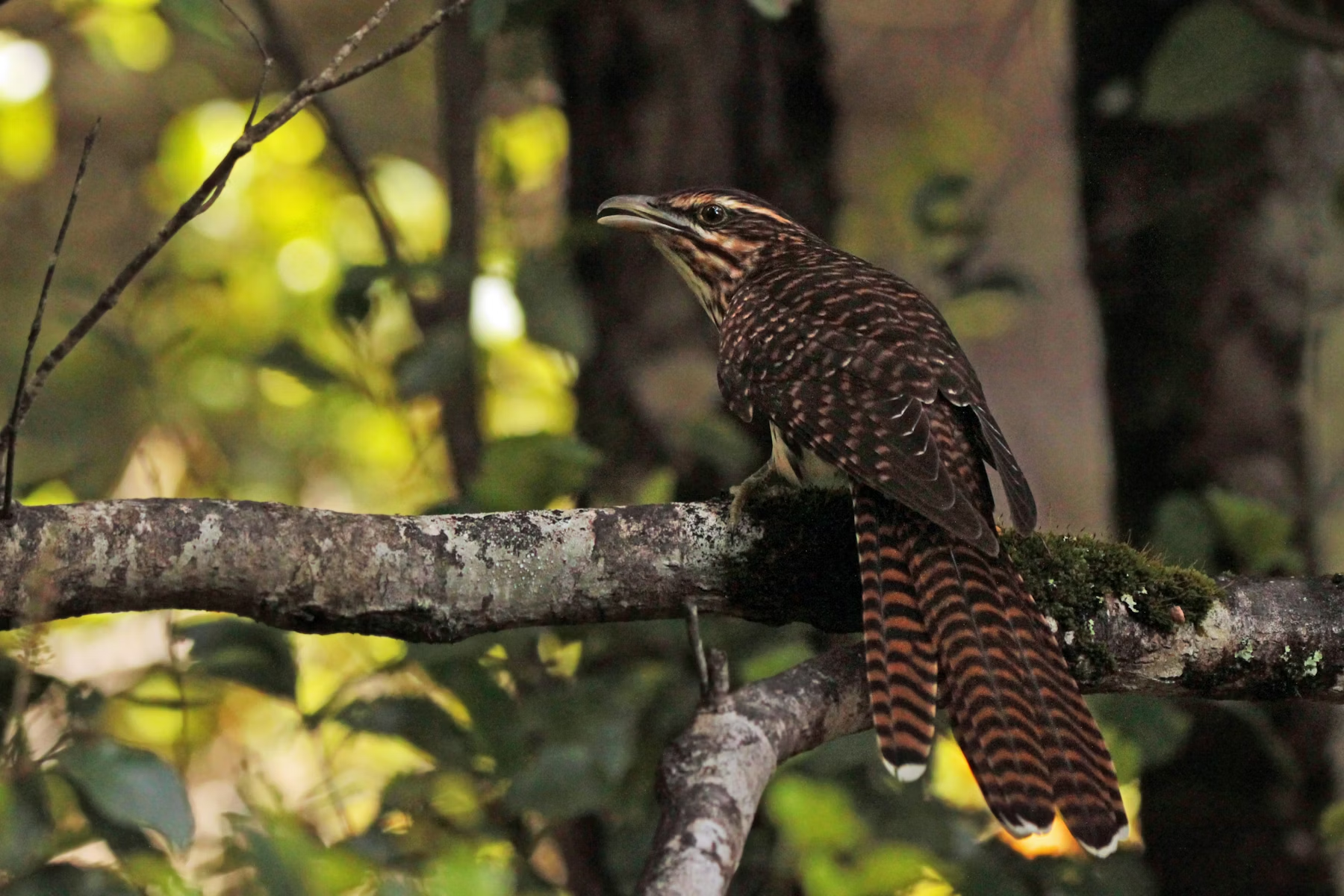
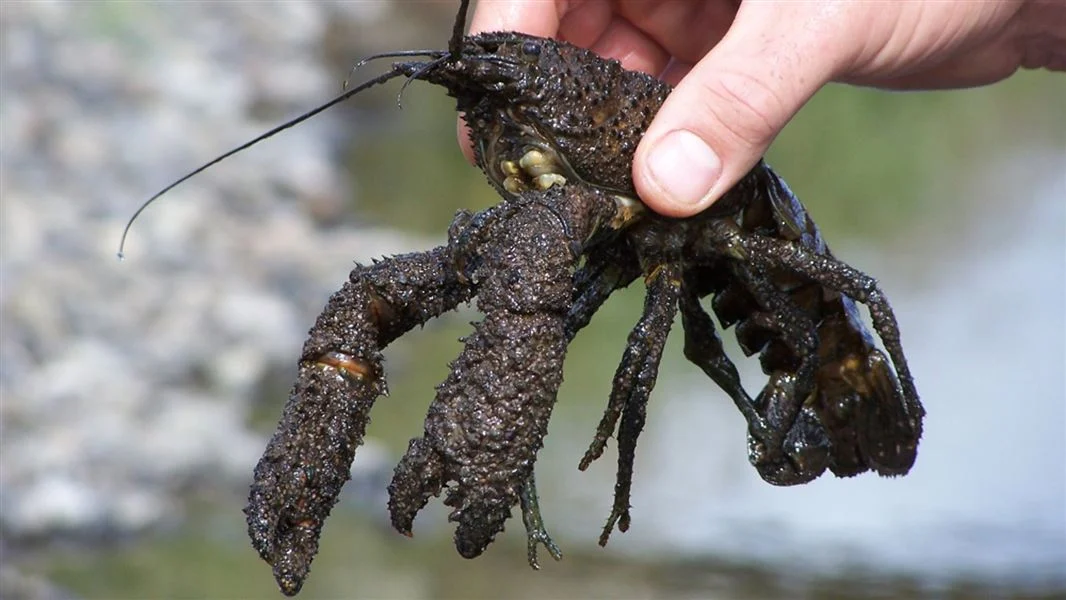
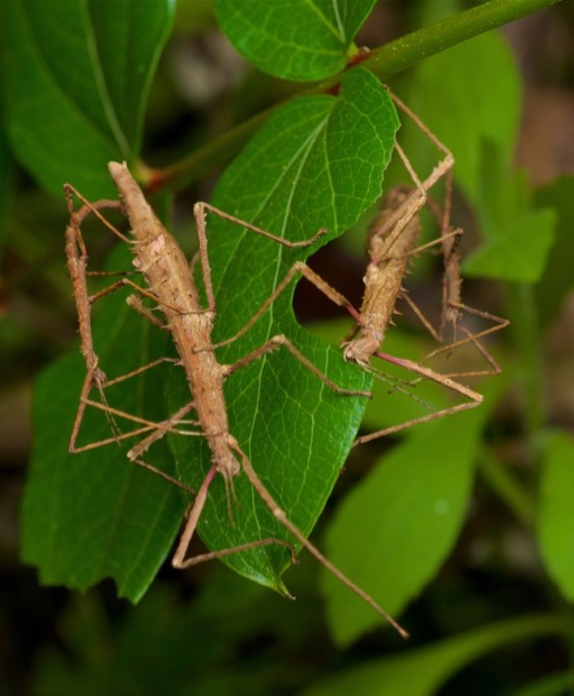
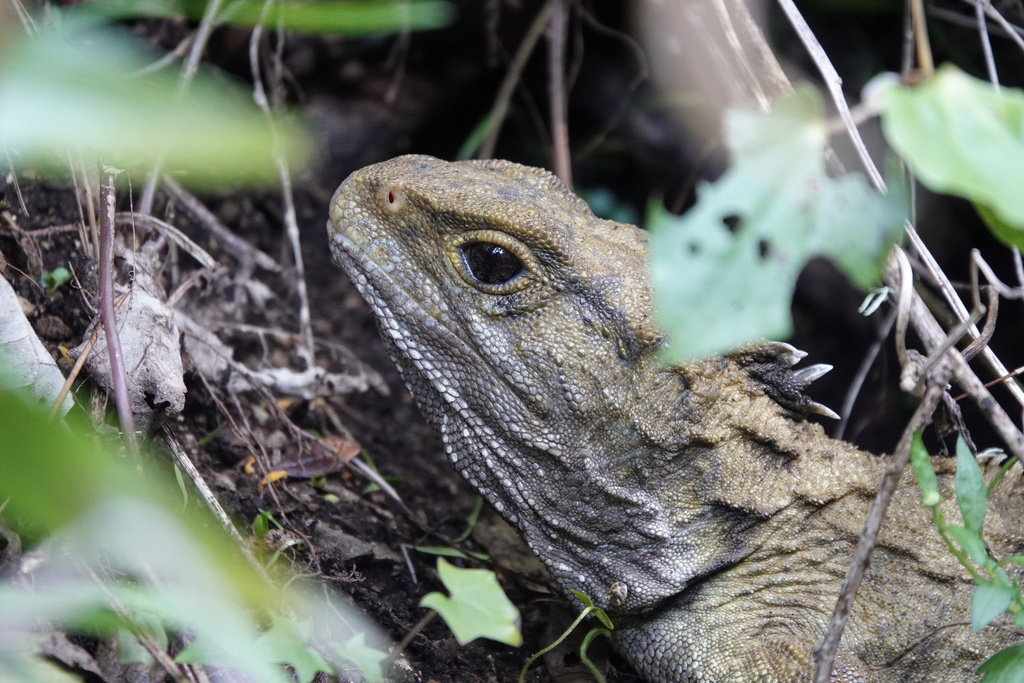
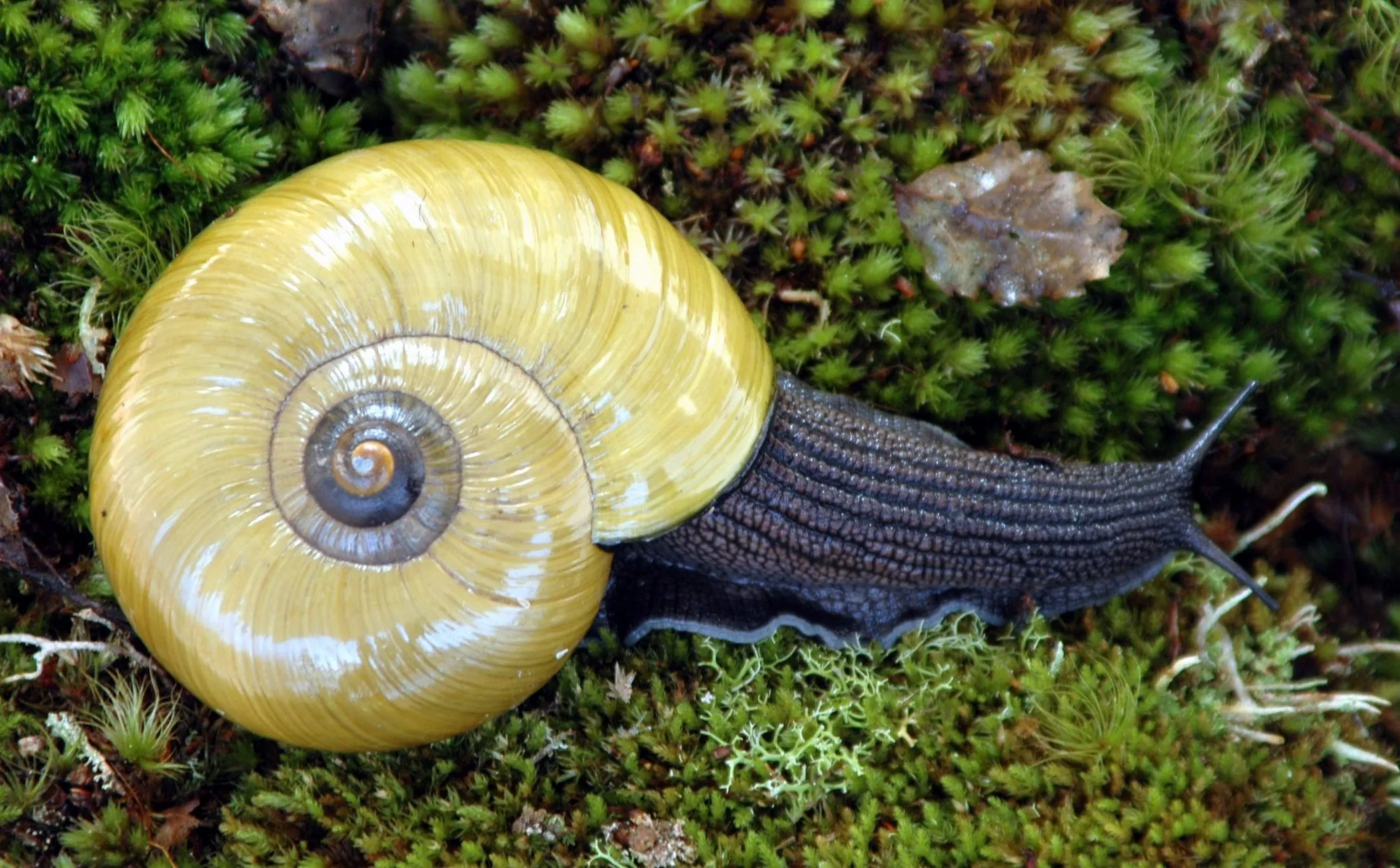
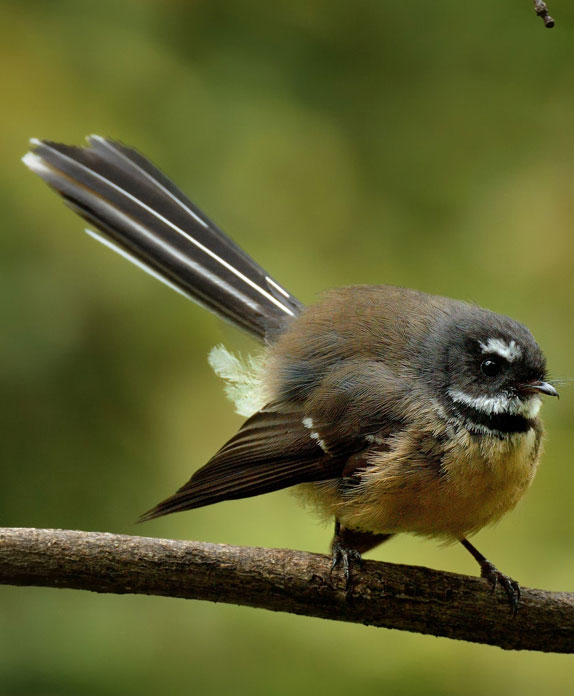
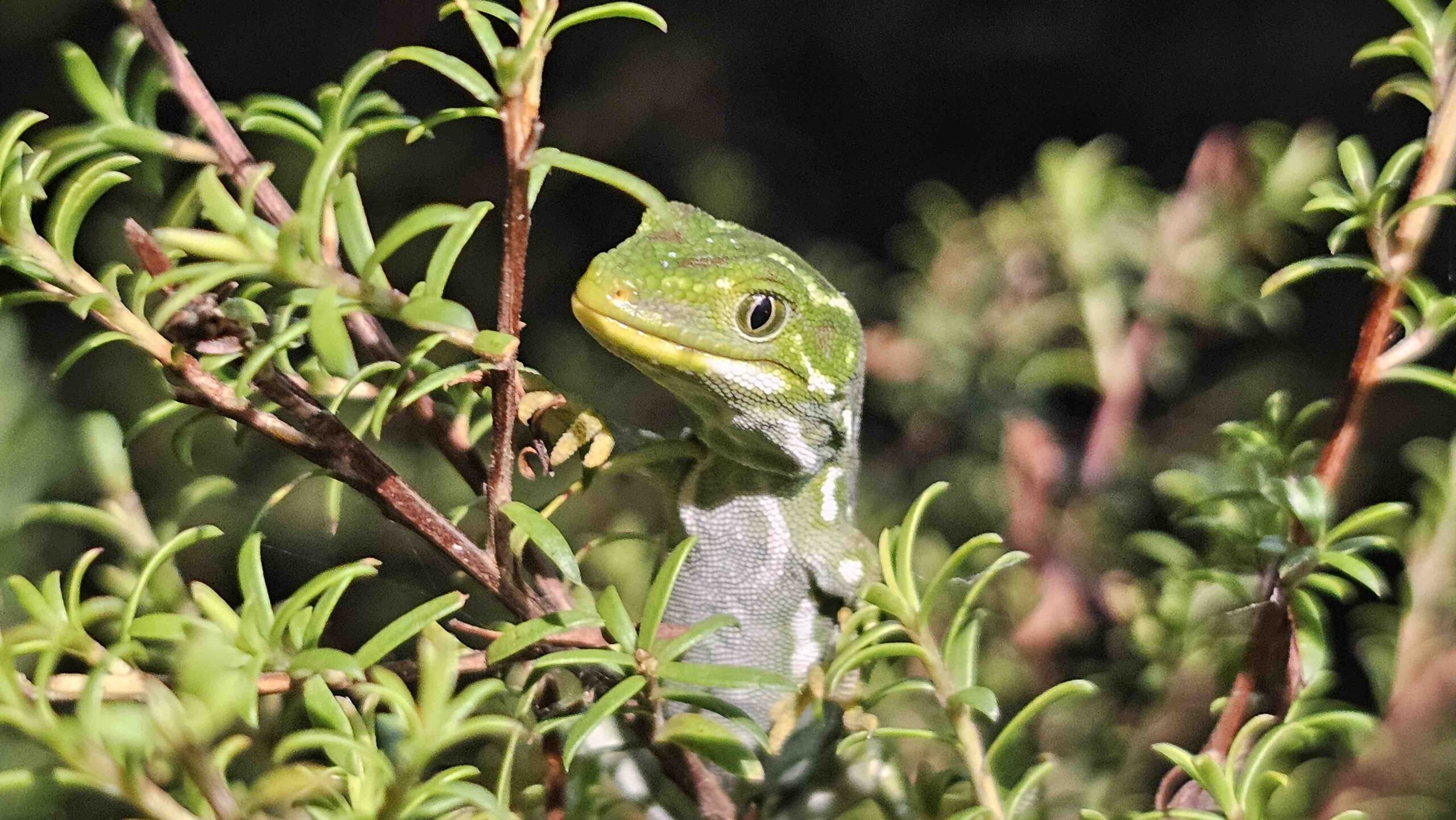
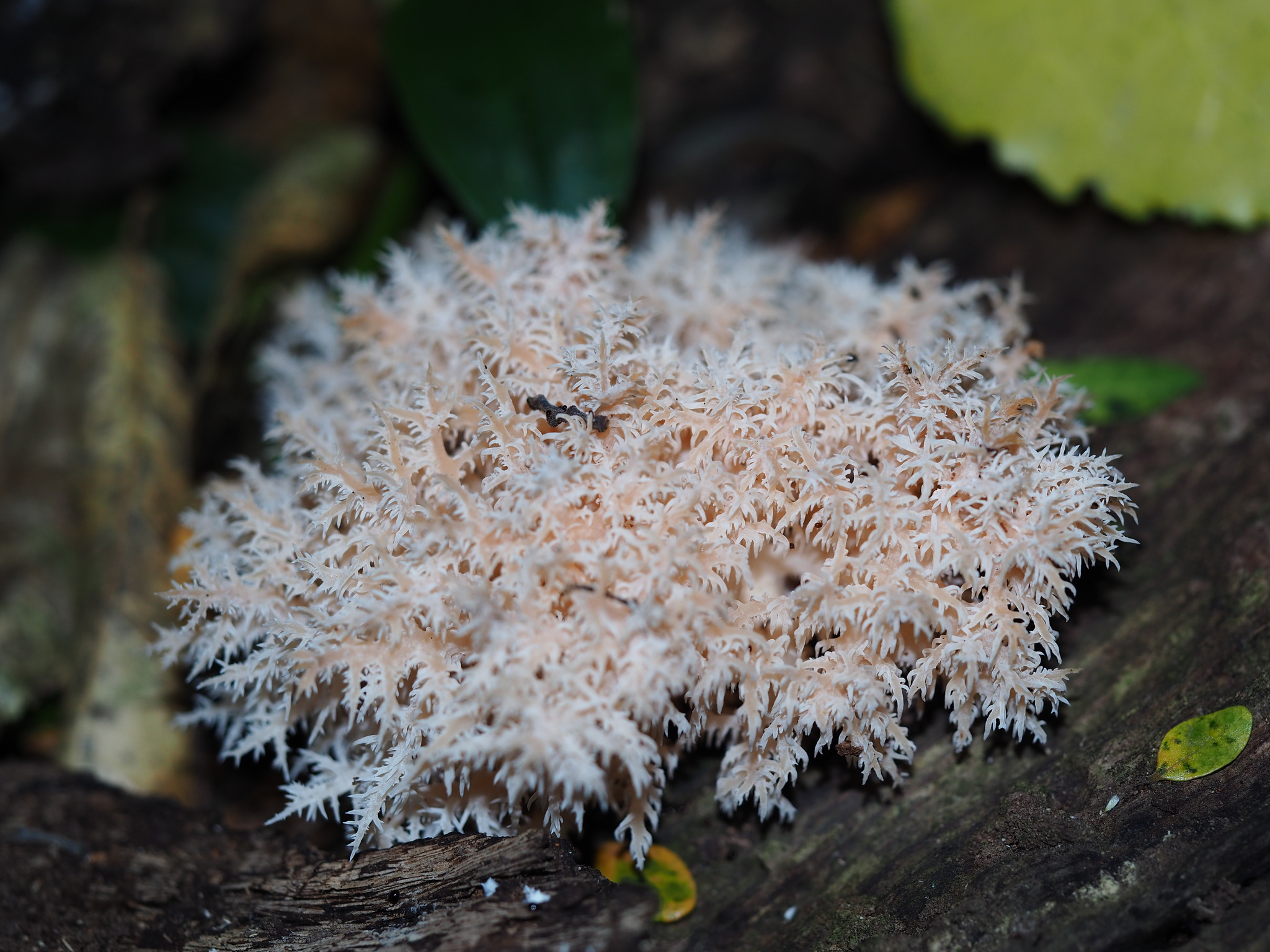
Check out some of the other incredible wildlife that call the Sanctuary home




Follow us on Instagram
@brooksanctuary
Share your photos with #brooksanctuary
Thanks @kumanunewzealand for the plant donation! This beautiful assortment of eco-sourced native plants will be well appreciated by our birds, bugs and lizards.
Oct 30


A magical kiwi encounter beneath the glowworms! 🌿
Last night’s guided tour delivered a truly special moment, when our visitors had an unexpected encounter with a kiwi! 💚
While taking in the magical glowworms lighting up the forest, our group was treated to an unforgettable sighting of a kiwi moving through the darkness. Moments like these are a beautiful reminder of why we do what we do — protecting precious native wildlife and creating a safe haven where these incredible species can thrive.
Come and experience the magic for yourself! 🌙
Join one of our guided night tours and discover the wonders of the Sanctuary after dark. You never know what special encounters await! we have a 25% discount throughout October to November - use promo code: NIGHT25 when booking online.
📍 Brook Waimārama Sanctuary, Nelson
🎟️ Book your guided night tour today!
🎥Video credit: Joelle
#BrookWaimāramaSanctuary #KiwiEncounter #Kiwi #purenz #nelson
Oct 29

🎭🌿 Junior Rangers Get Creative for the Santa Parade! 🎅
What a fantastic weekend of creativity at Brook Valley Holiday Reserve, Rātā Room ! Our Junior Rangers have been busy making masks for the upcoming Santa Parade in November, and we’ve seen some amazing creations taking shape.
With plenty of imagination and enthusiasm, the kids are now taking their ideas home to keep working on their costumes. We can’t wait to see the finished creations and have our young kaitiaki represent the Sanctuary in the parade! 🎄
A huge thank you to Faye and Karl at @communityartworksnz (Nelson Community Art Works) for generously providing masks, templates and materials for our workshops. Your support helped make these sessions possible, and we’re so grateful for your contribution.
Thanks also to Dave, our Sanctuary volunteer, who is leading our Santa Parade float project, for popping in to talk about the float and getting our Junior Rangers even more excited to be involved!
We love seeing our young kaitiaki getting creative, connecting with nature and representing the Sanctuary in our community. 💚
👉 Check out some of their fantastic creations below!
#BrookWaimāramaSanctuary #JuniorRangers #SantaParade #YoungKaitiaki #NelsonCommunity @brookvalleyholidayreserve
Oct 29

🌿 From the stage to the forest!
A big thank you to the incredible team from @machinedecirque for visiting the Brook Waimārama Sanctuary today - even spotted their very first tuatara!
Visiting Nelson from Québec, Canada, this internationally acclaimed contemporary circus company is bringing its spectacular blend of acrobatics, live music, humour and physical comedy to the @nelson_arts_festival.
It was a pleasure to welcome the team into the Sanctuary and share a little of the special place we’re lucky to have right on Nelson’s doorstep.
Wishing the team all the very best for their performances!
🎪 Find out more about Machine de Cirque and the festival programme: www.nelsonartsfestival.nz/event/machine-de-cirque/
#BrookWaimāramaSanctuary #NelsonArtsFestival #MachineDeCirque #WhakatūNelson #NatureAndCulture
Oct 27

🌿 We’re open today for Labour Day!
Looking for something different to do this long weekend? Come and reconnect with nature at Brook Waimārama Sanctuary!
Explore our beautiful native forest, wander the walking tracks and keep your eyes peeled for some of Aotearoa’s special wildlife. You might spot a curious kākāriki karaka, a South Island robin, or even a basking tuatara!
🌳 15 km of scenic walking tracks to explore
🦎 Discover unique native wildlife
🌿 A peaceful nature escape just 10 minutes from Nelson city centre
Bring the family, enjoy the fresh air and discover something new. There’s plenty to see and explore, and every visit supports our work protecting threatened species and restoring our native forest.
📍 Open today, Monday 26 October, 10am–4pm.
We look forward to seeing you at the Sanctuary today! 🌿
#BrookWaimāramaSanctuary #NelsonNZ #LabourWeekend #ReconnectWithNature #ExploreNelson #NativeWildlife #ConservationNZ #NatureEscape #FamilyFun #ProtectOurWildlife
Oct 25

🌿 We’re open this Labour Weekend!
Looking for something different to do this long weekend? Come and reconnect with nature at Brook Waimārama Sanctuary!
Explore our beautiful native forest, wander the walking tracks and keep your eyes peeled for some of Aotearoa’s special wildlife. You might spot a curious kākāriki karaka, a South Island robin, or even a basking tuatara!
🌳 15 km of scenic walking tracks
🦎 Discover unique native wildlife
🌿 Enjoy a peaceful escape just 10 minutes from Nelson city centre
📍 Open Saturday 24 to Monday 26 October, 10am–4pm.
Bring the family, enjoy the fresh air and discover something new. Every visit supports our work protecting threatened species and restoring our native forest.
We look forward to seeing you this Labour Weekend!
#BrookWaimāramaSanctuary #NelsonNZ #LabourWeekend #ReconnectWithNature #ProtectOurWildlife
Oct 22
