What’s up with bird flu?
Written by: Steffi Hebberd, Bio-Security Ranger
In a recent Facebook post, we talked about not picking up found birds and where you should look to get help instead. One of the big reasons is that handling wildlife can be harmful to the animal, but it can also put you at risk, because wild birds can carry diseases and parasites.
And this becomes even more important if bird flu reaches Aotearoa.
So… why do we worry about bird flu?
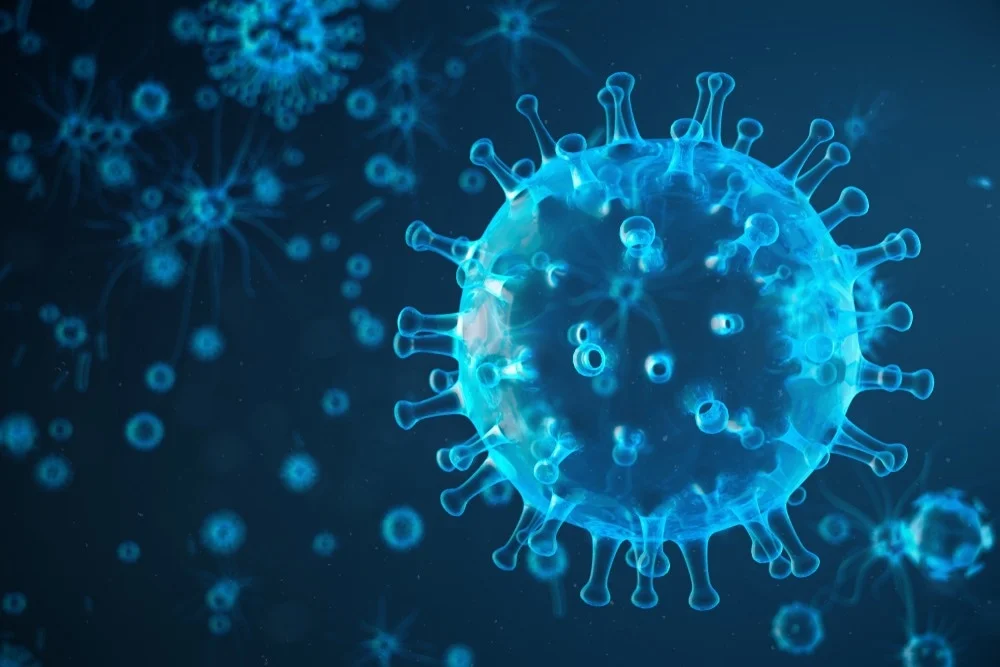
There are many different strains of bird flu (also called avian influenza), and some are more worrying than others. The strain we’re talking about here is H5N1, which has been spreading quickly and widely around the globe — and it also has a very high mortality rate in birds.
Some groups seem to be more impacted than others, including seabirds, waterfowl, poultry, and shorebirds. So far, the virus hasn’t reached Aotearoa, so we don’t yet know how it will affect our manu. But we can make an educated guess based on what’s been seen overseas. For example, we could expect ducks, stilts, terns and other similar species to be especially susceptible, much like their relatives elsewhere.
Besides the high mortality rate in certain bird species, H5N1 can also infect mammals, including humans. In people, bird flu can cause flu-like symptoms. And while bird-to-human transmission is rare, it’s something we take seriously because disease can move between animals and people in complex ways.
What to look out for
Infected birds may look disoriented and uncoordinated, or in severe cases even paralysed. They can show weakness and trembling, become flightless or blind, and may have diarrhoea. Panting and nasal discharge can occur too.
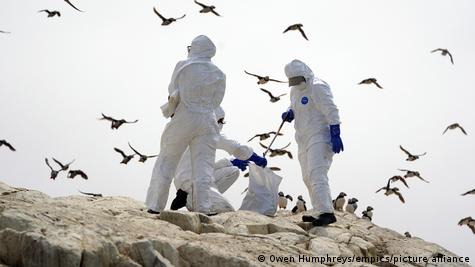
The virus can spread not only directly from birds, but it can also linger in the environment — especially in freshwater. It can also be carried on vehicles, clothing and footwear, or on poultry products.
It can be managed with bleach-based cleaning products and detergents, as well as alcohol-based disinfectants.
Staying vigilant
Even though no cases of H5N1 have been reported in Aotearoa so far, the virus is expected to reach the country sooner or later, including through migratory birds. Once this strain of bird flu arrives here, the Sanctuary has detailed plans in place to protect our birds, while also maintaining a safe visitor experience for our guests.
There are a few different ways you can help protect our birds, as well as yourself. If you find a sick or dead bird inside the Sanctuary, please don’t handle it. Instead, take a photo, note the nearest blue triangle station number, and report it to our team at the Visitor Centre.
If you find a sick or dead bird outside the fence, please contact DOC on 0800 DOC HOT (0800 362 468). If you find three or more sick or dead wild birds together, report it to MPI’s exotic pest and disease hotline on 0800 80 99 66, and include the location plus any photos or videos.
Thank you for caring for our manu!