
Education
Inspiring the next generation is the first line of defence in our conservation efforts.
Our aim is to enhance understanding of our connection with the land and mauri (life force), and of the importance to human beings of a harmonious biodiversity.
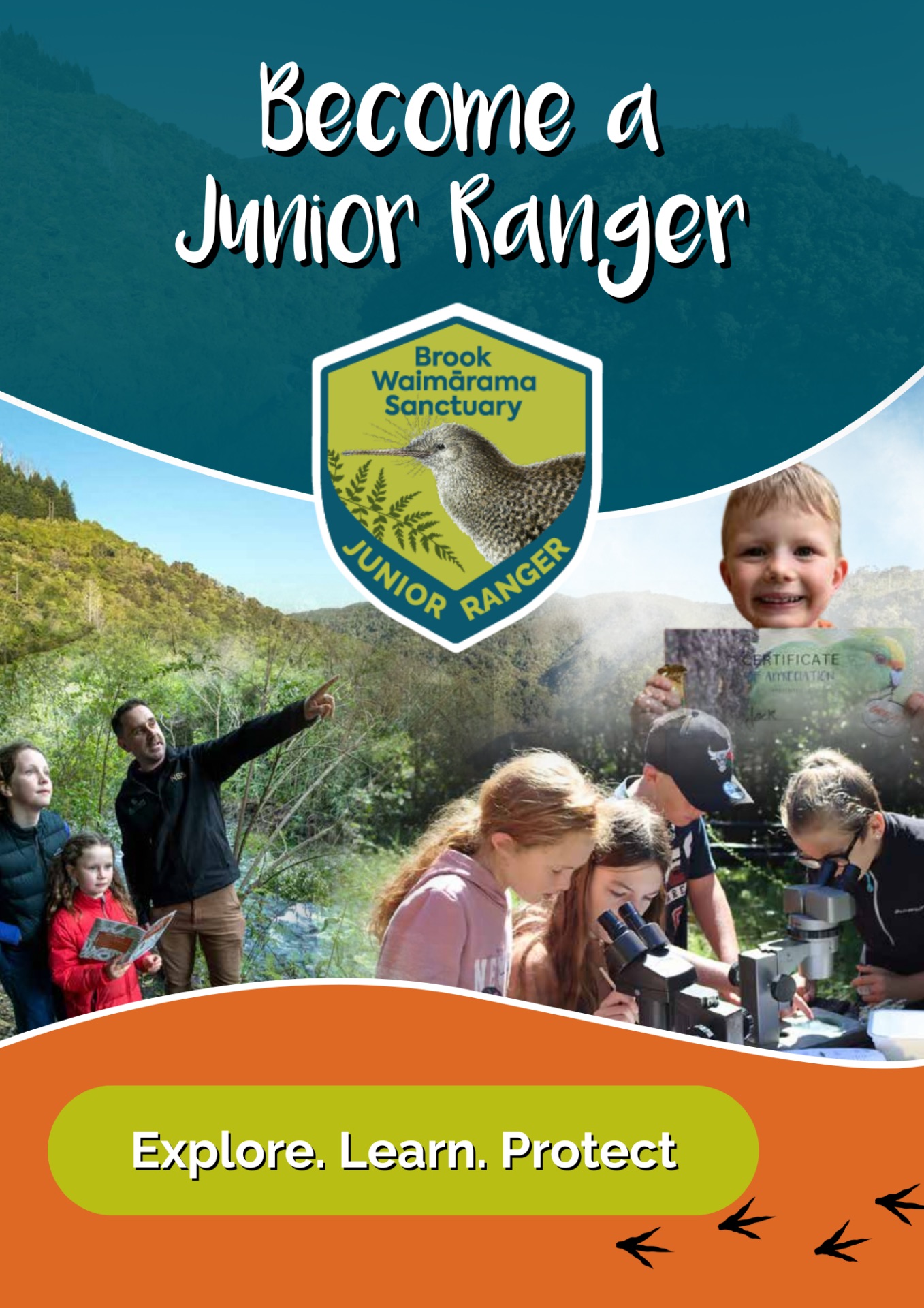
We provide school visits, outreach events in the community and downloadable education resources. Learn about our translocations, read our growing collection of species information pages or join our Junior Ranger program for year-round fun.
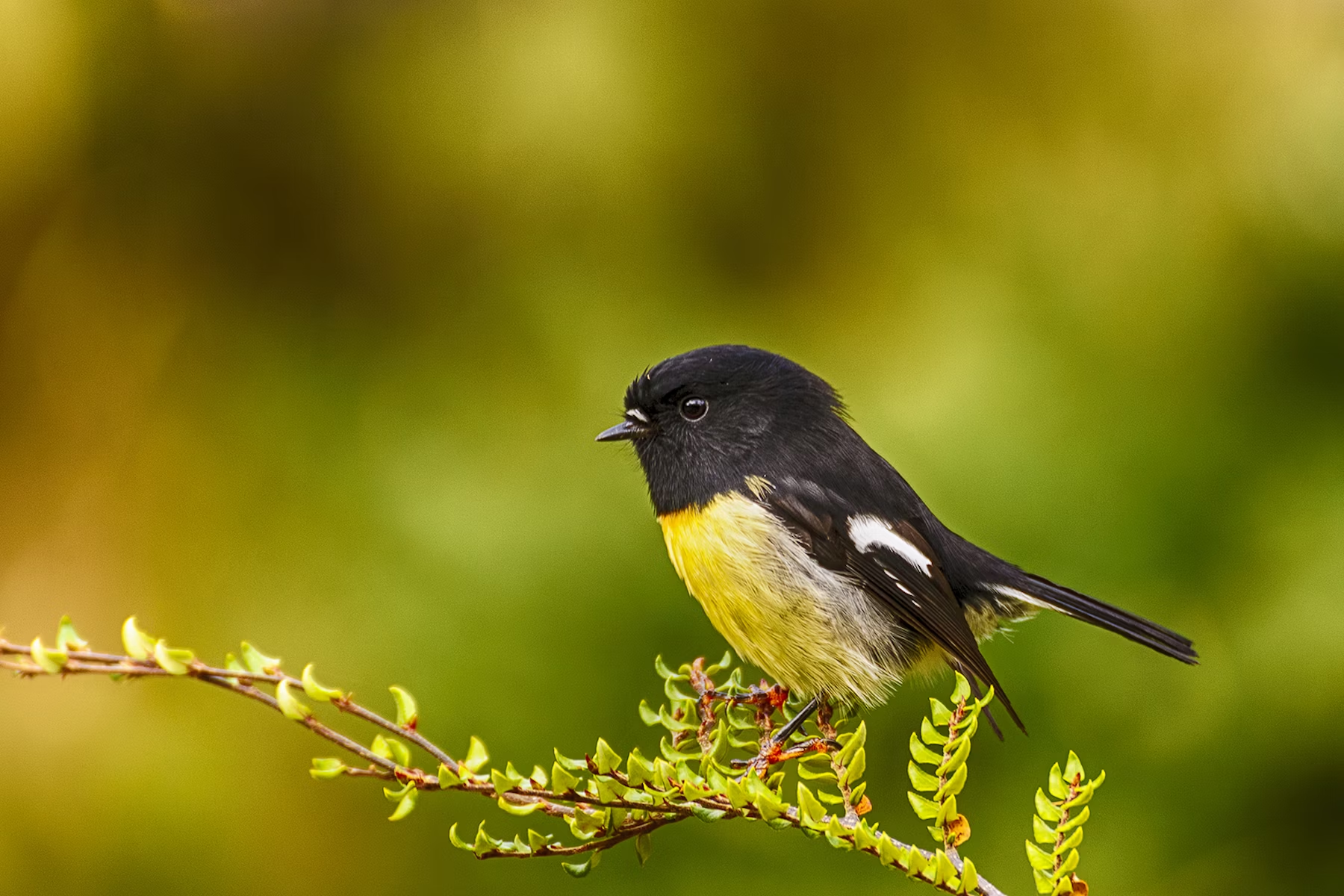
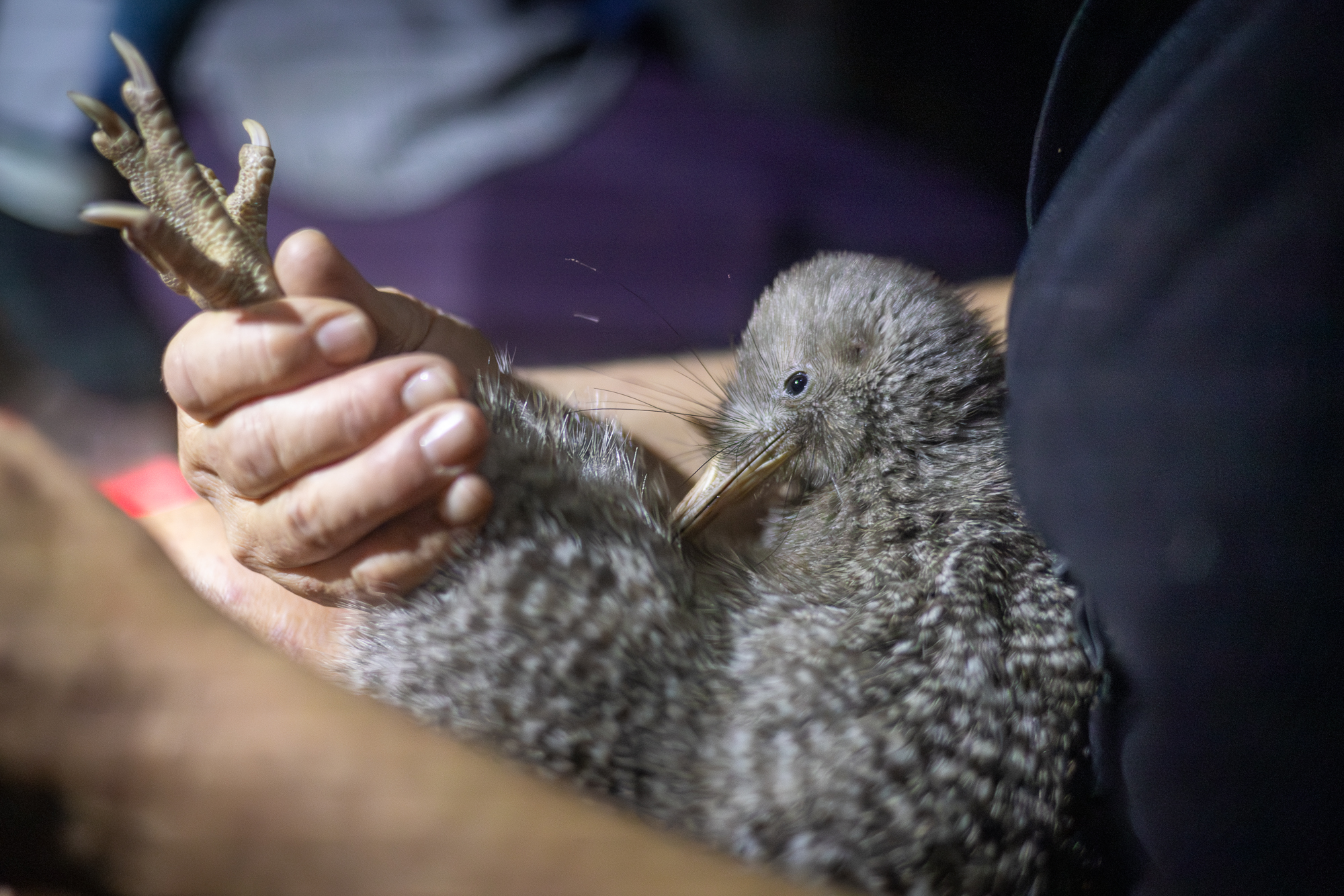
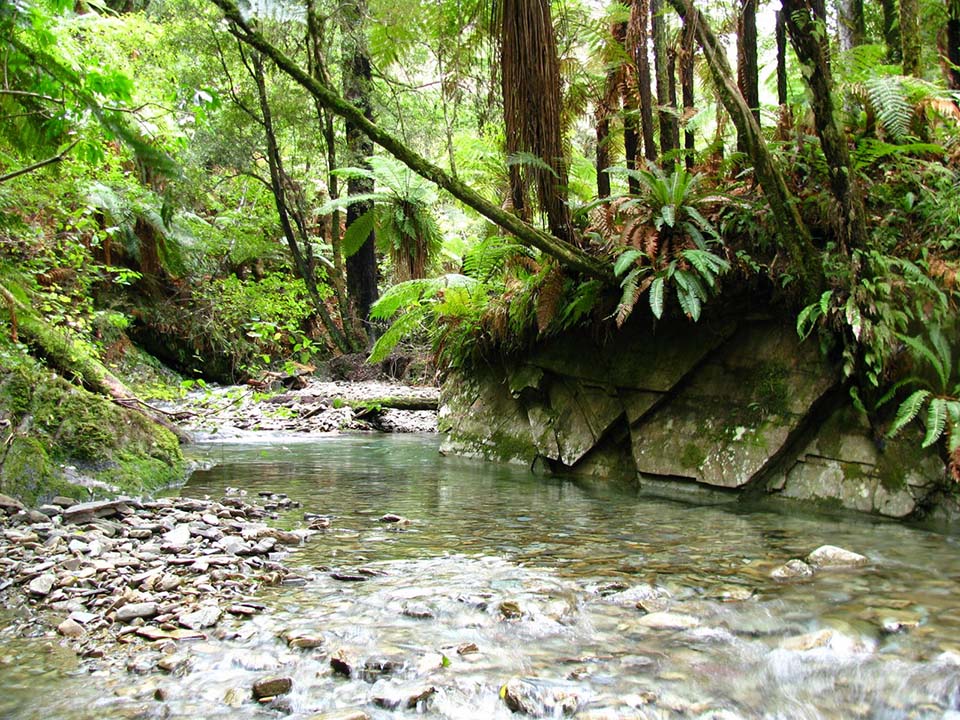
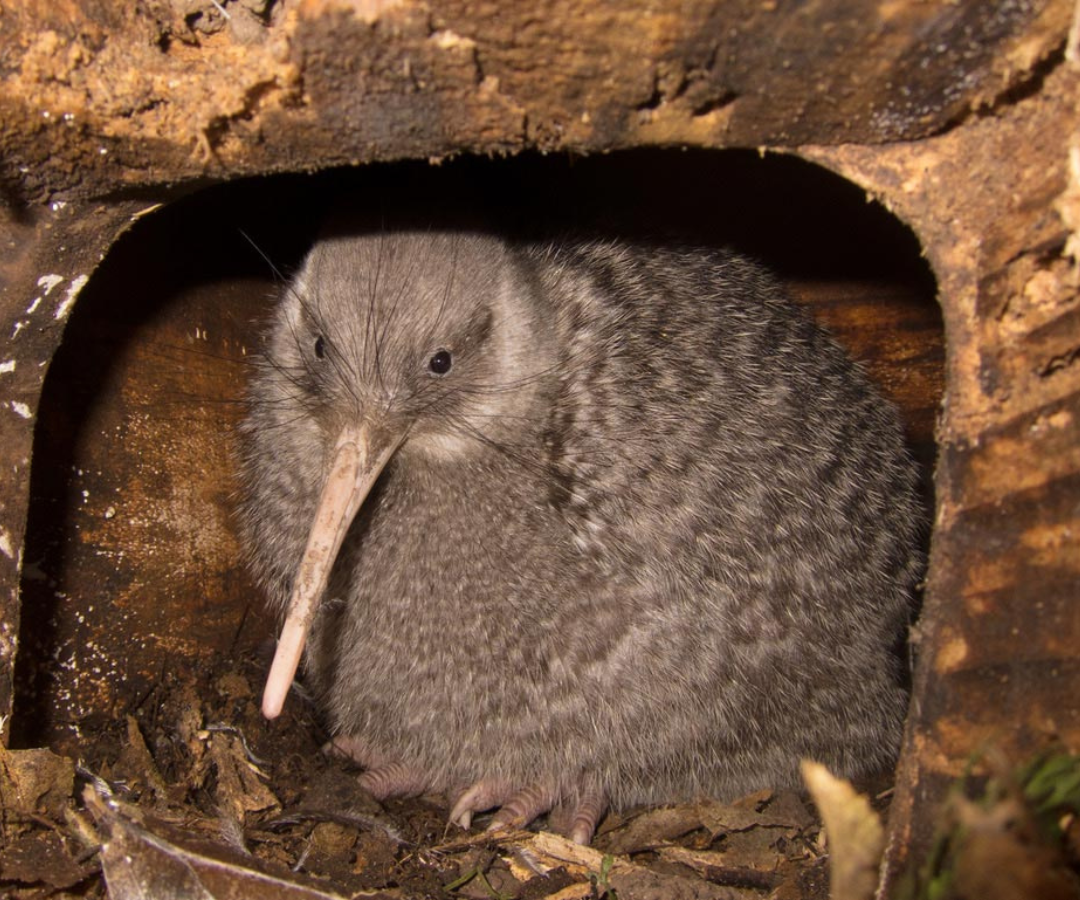
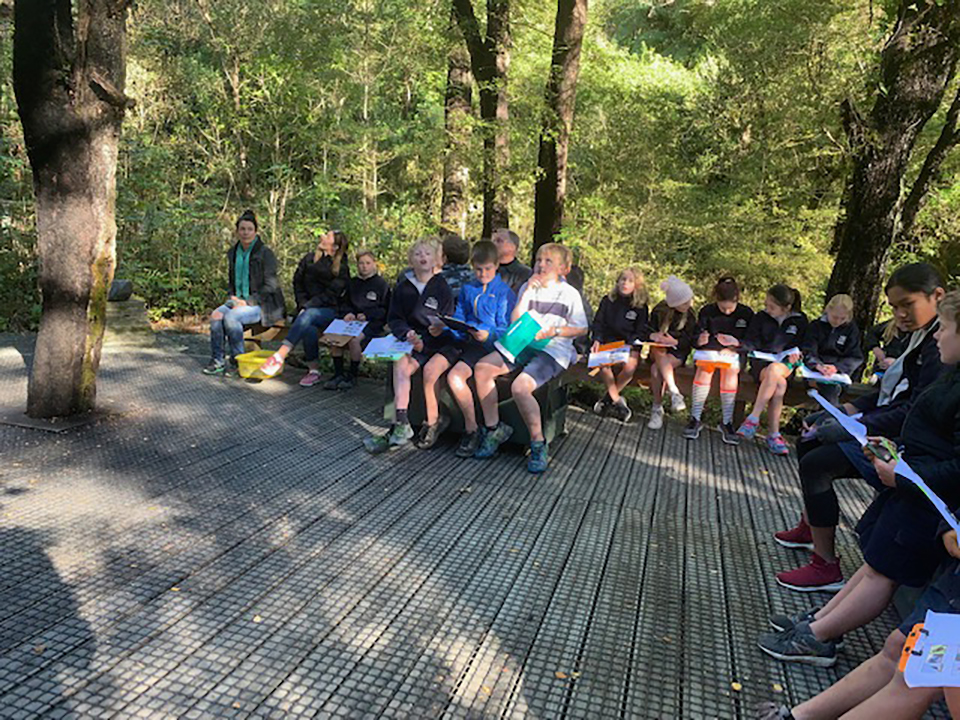
EDUCATION IN THE SANCTUARY
Through our education work the Sanctuary is inspiring the next generation; we’re working with Te Tau Ihu (Top of the South) schools and training providers to be actively involved in conservation activities, allowing ‘learning by doing’.
Our fully equipped Beech Glade classroom is an ideal space from which to watch and listen for birds. Made possible through the generosity of one of our local iwi, Ngati Kuia, & Transpower this immersive classroom even has wifi and class sets of binoculars!
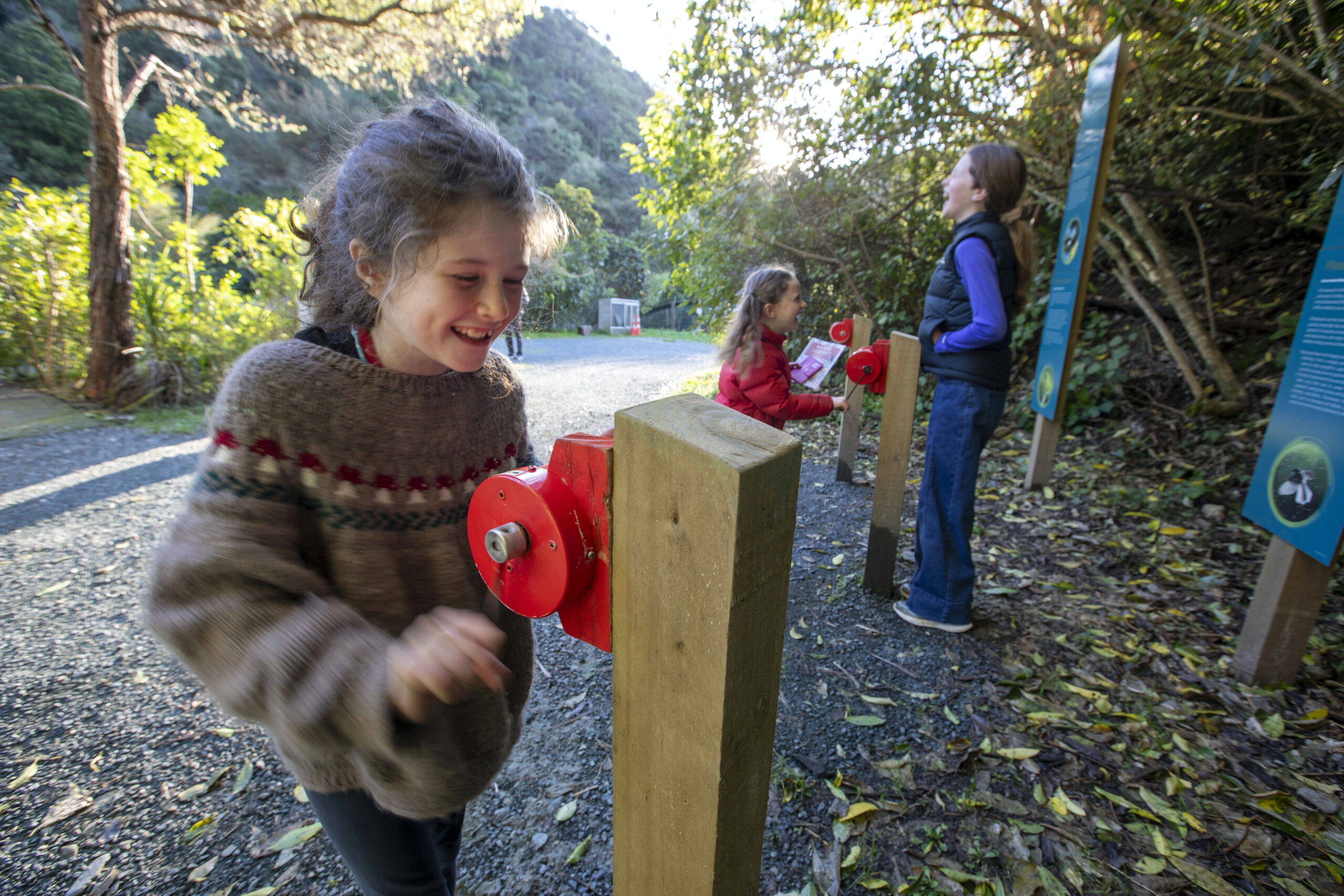
Download Educational Resources
The Sanctuary is passionate about inspiring our next generation. We’ve created various educational resources for you to download.
- See our range of educational resources around freshwater environments and wildlife
- Read our growing collection of species information pages, some with downloadable PDFs
- Download our beautiful colouring-in sheets created by our talented Biosecurity Officer, Steffi!
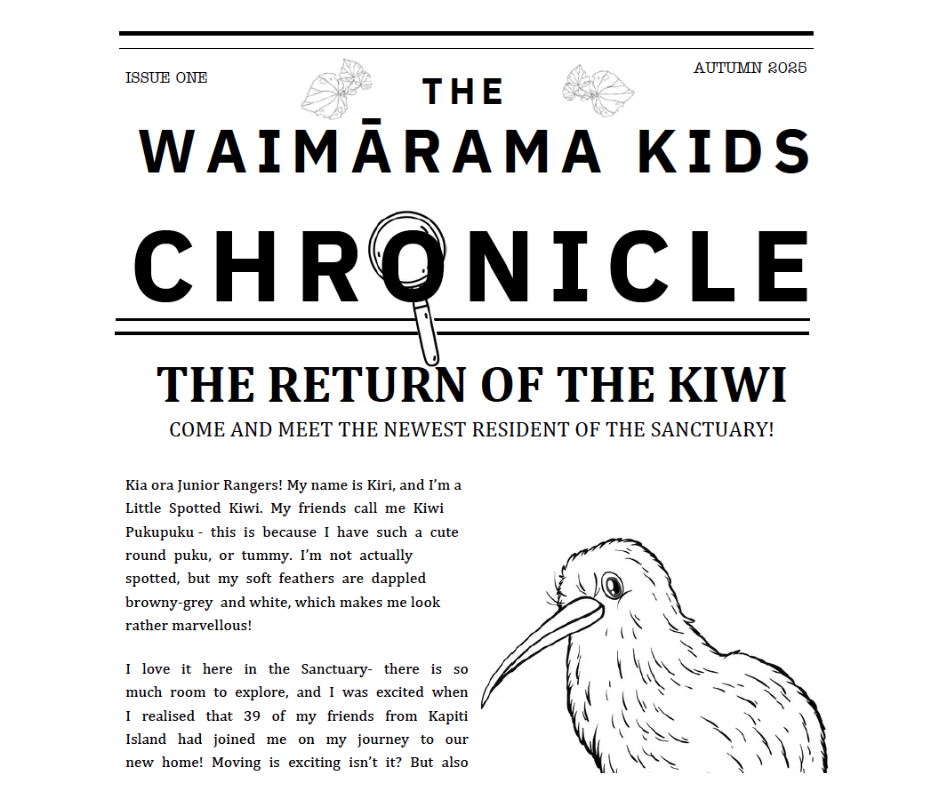
- Download seasonal kids newsletters with colouring, activities and information about the wildlife in the Sanctuary. These are sent out quarterly to our Junior Rangers – an annual membership just for kids aged 5+.
What’s here?
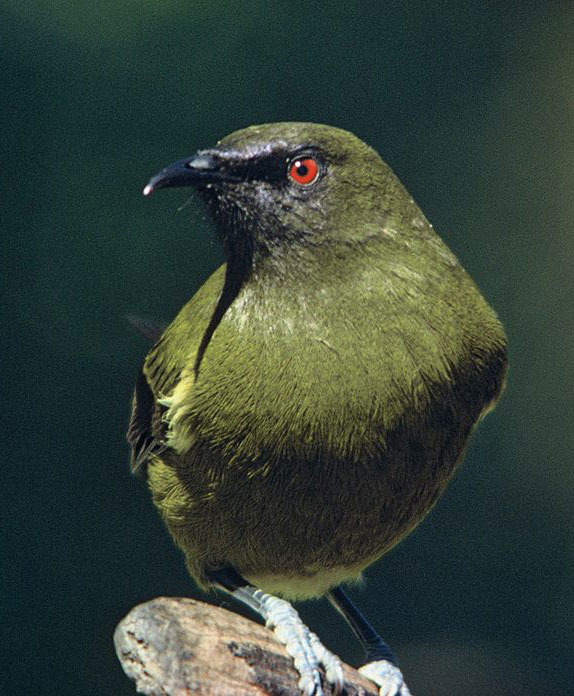
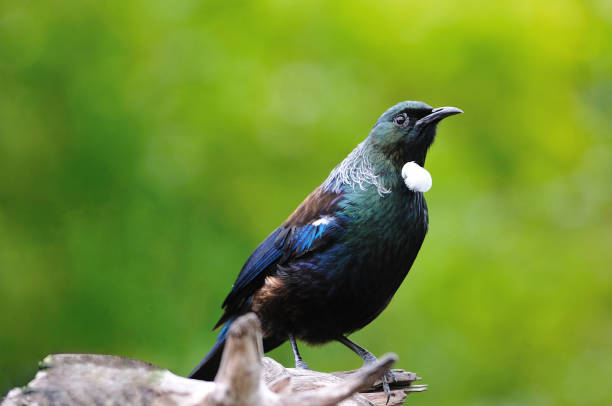
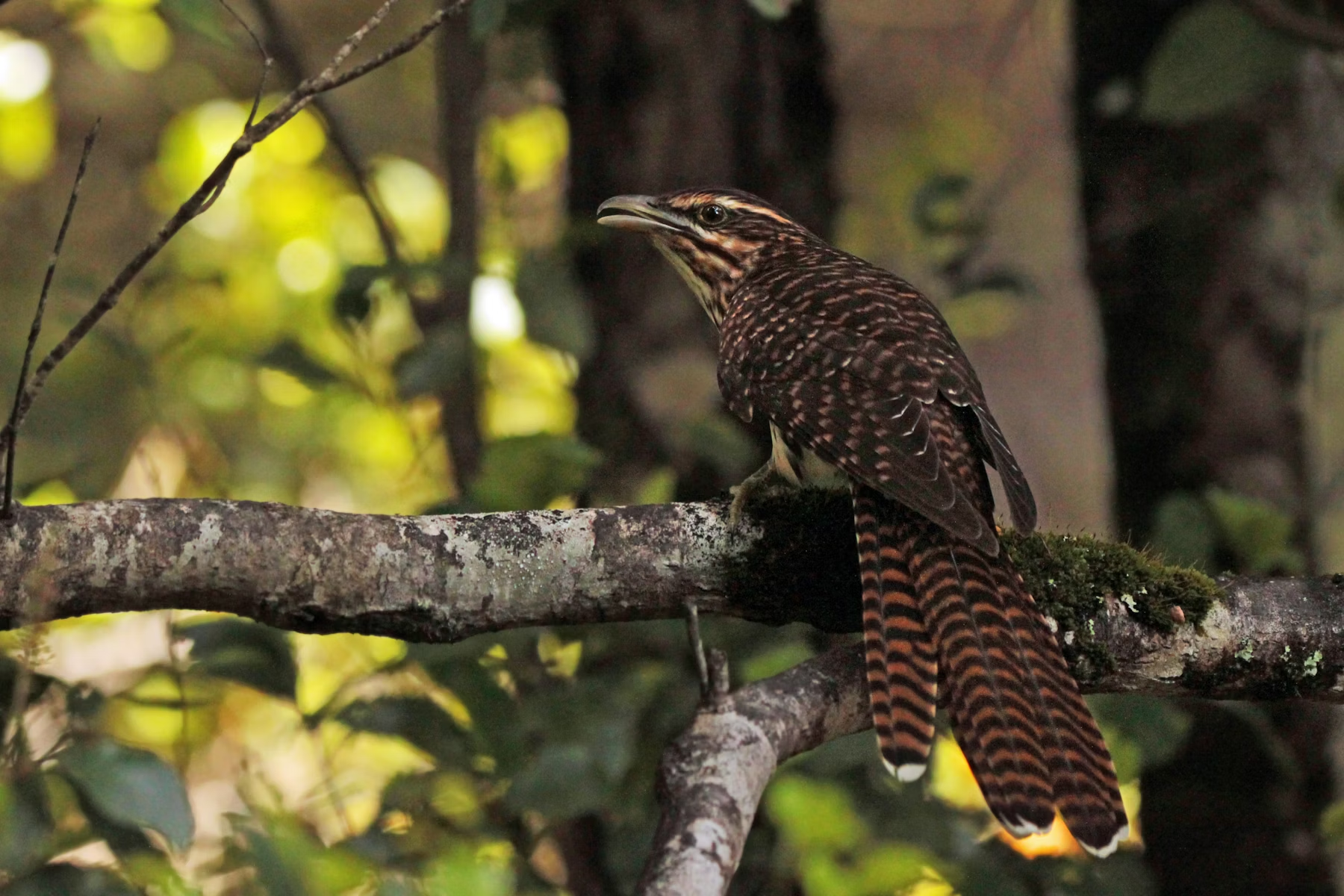
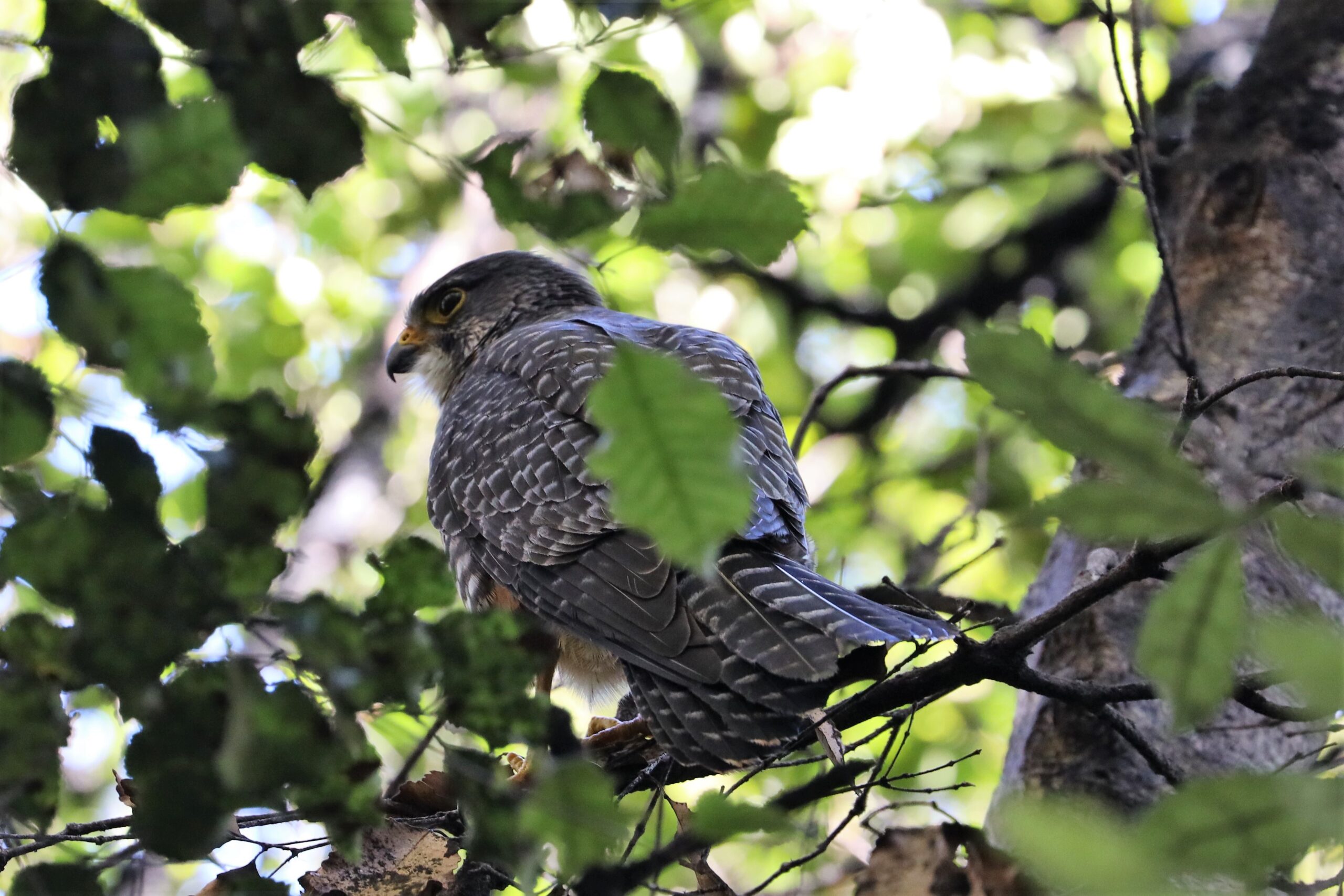
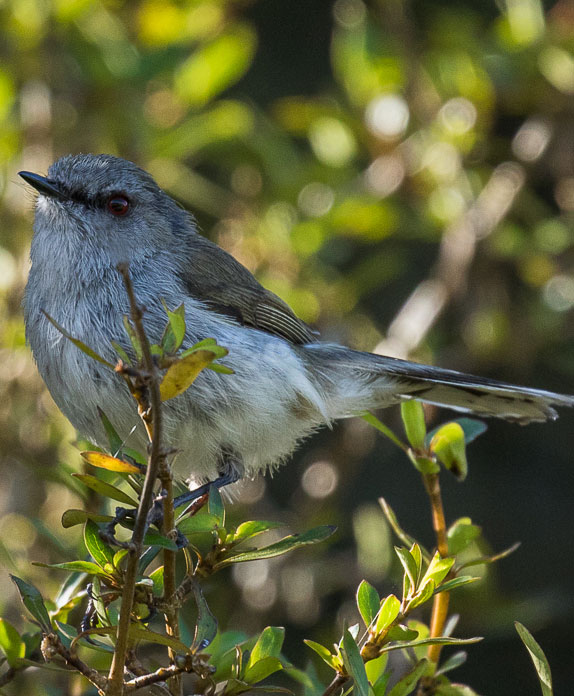
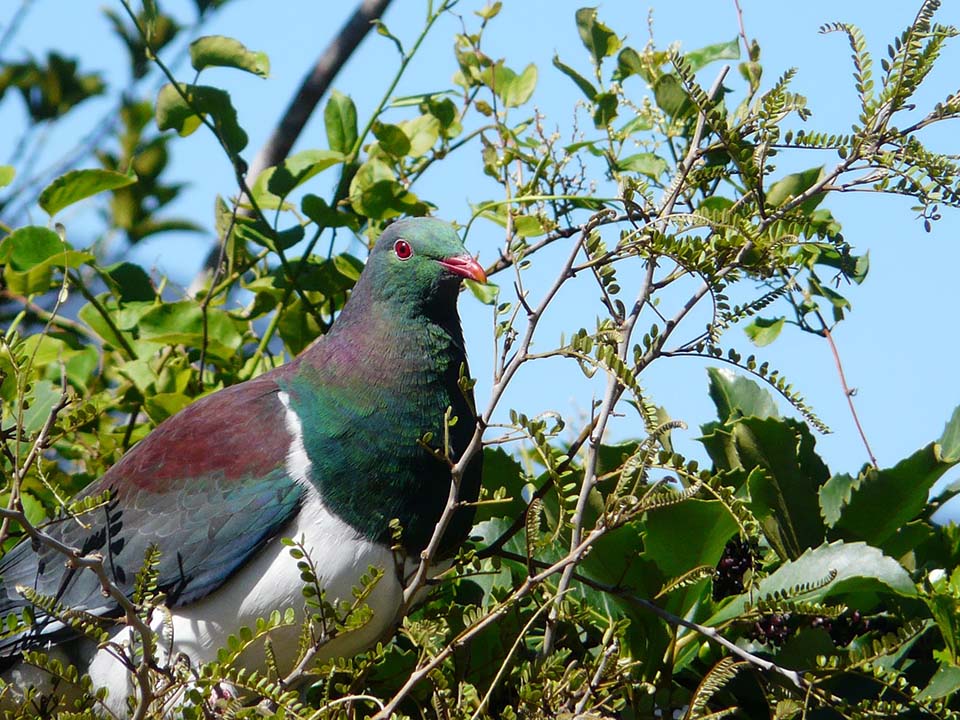
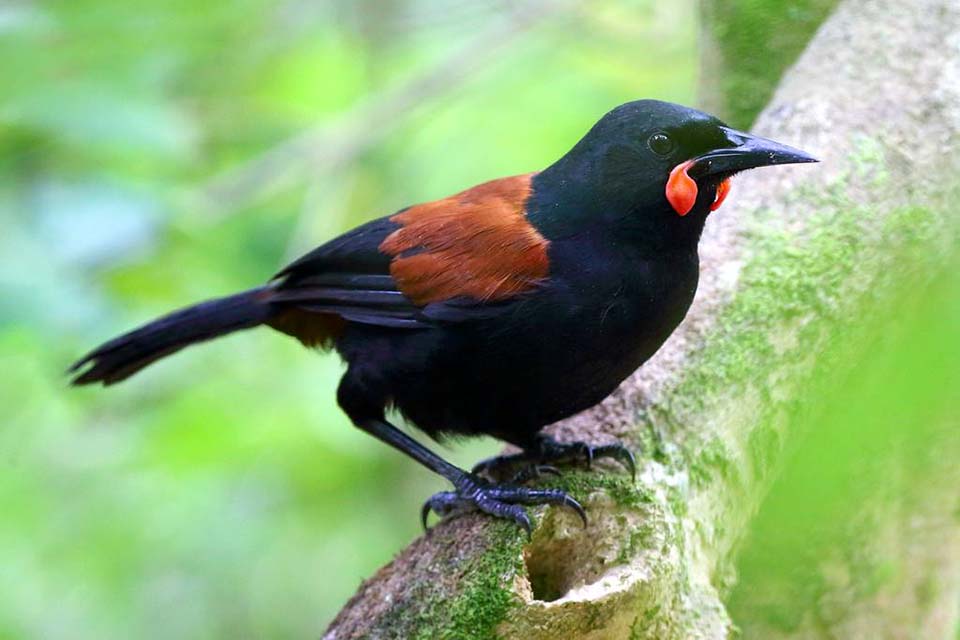
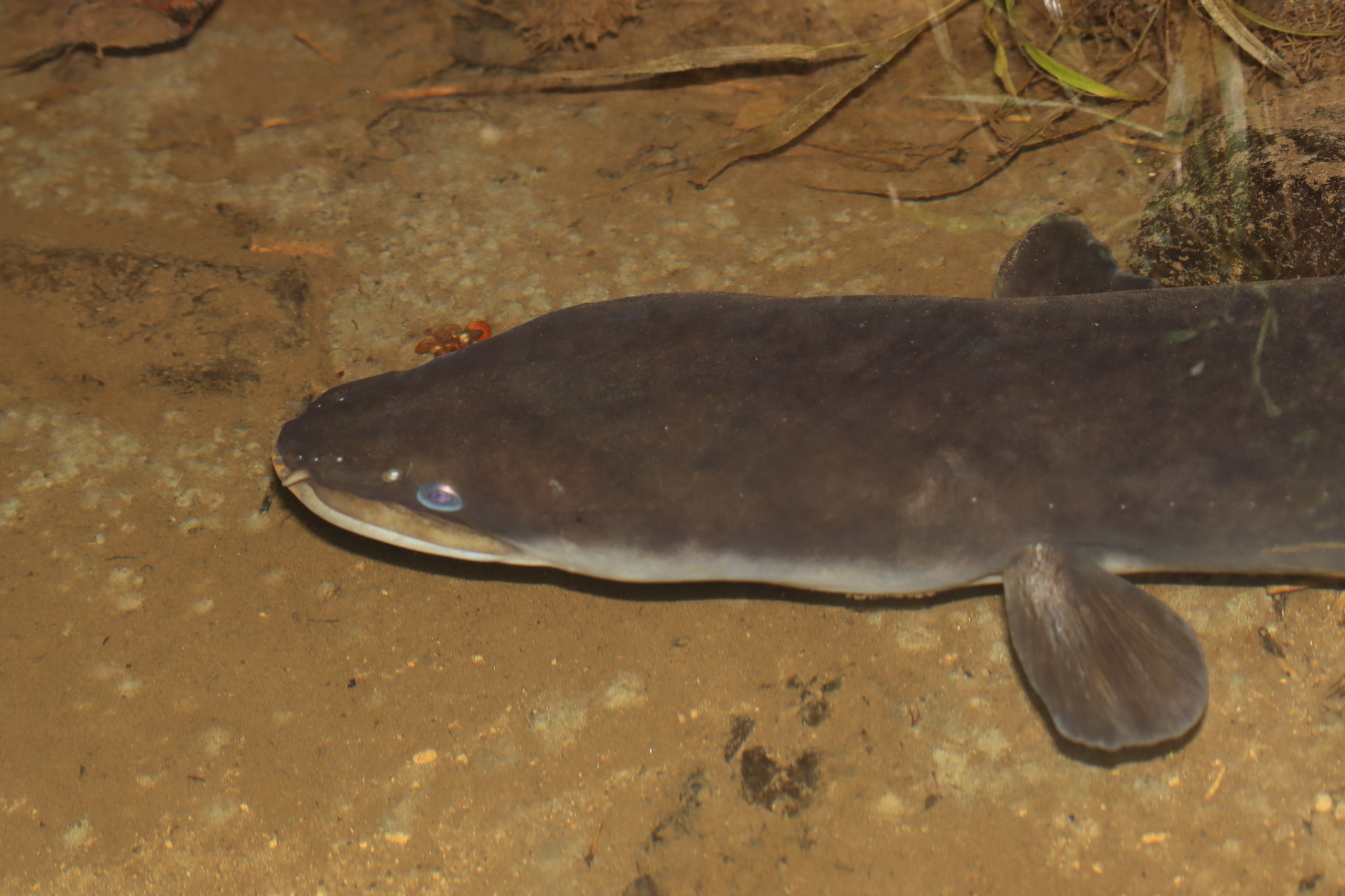
Meet some of our amazing residents and our incredible flora. Read our species pages and download our species PDFs.
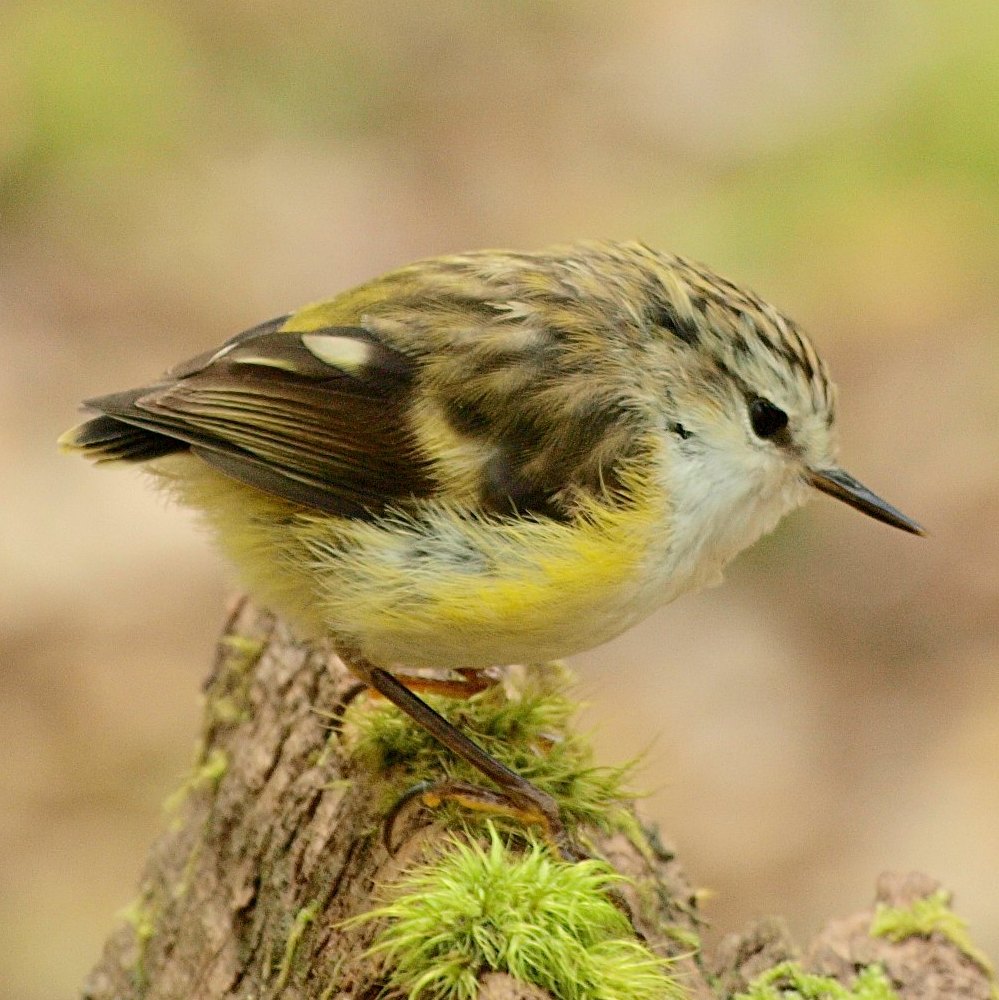
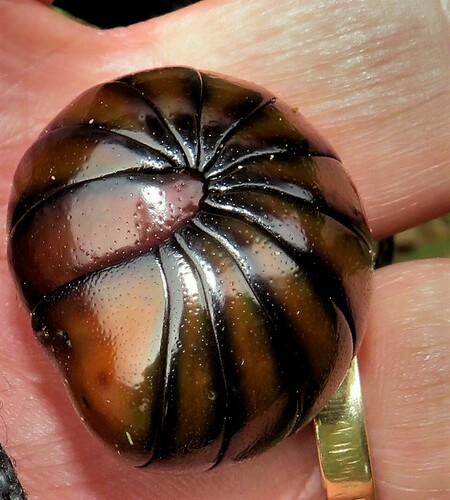
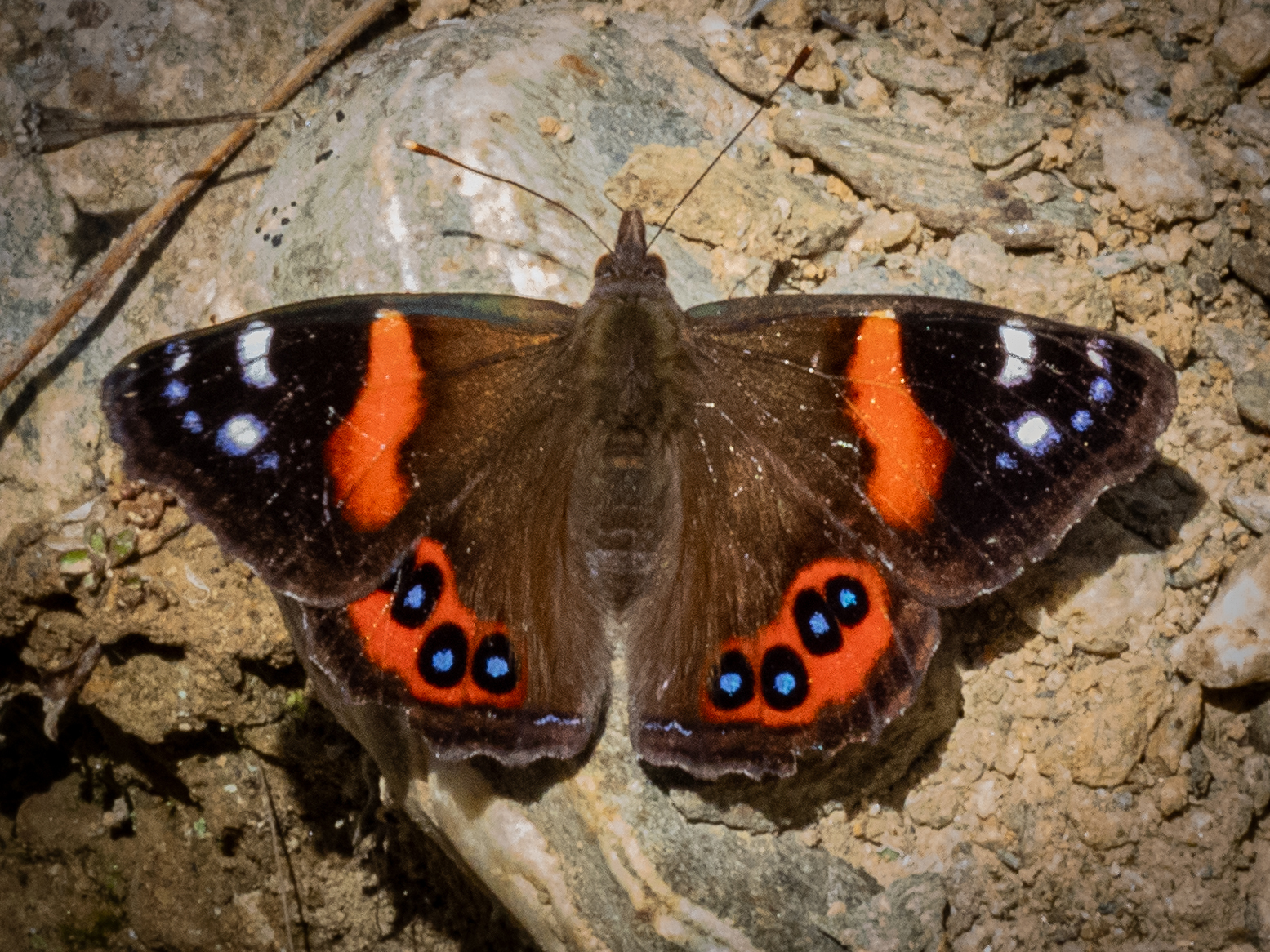

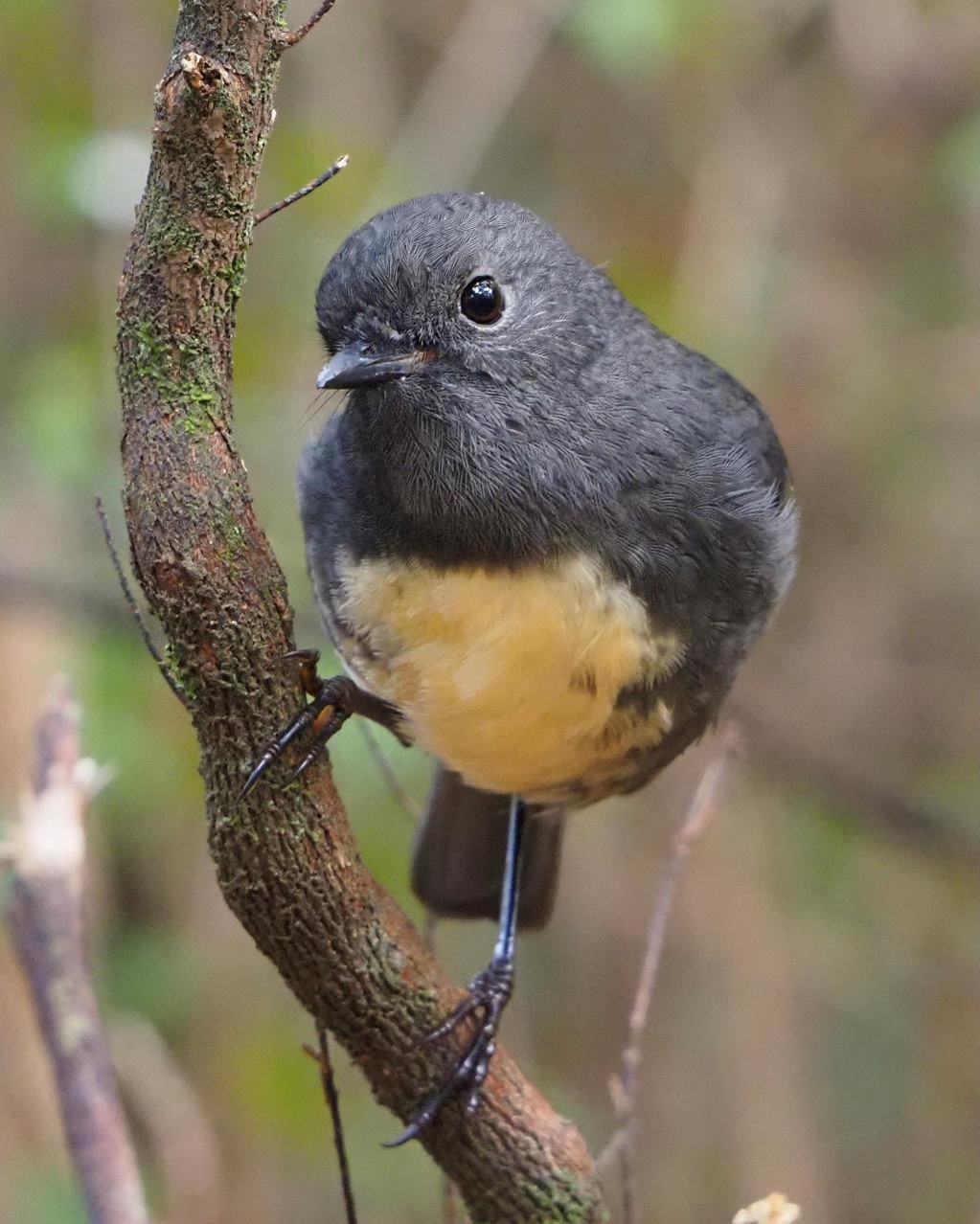
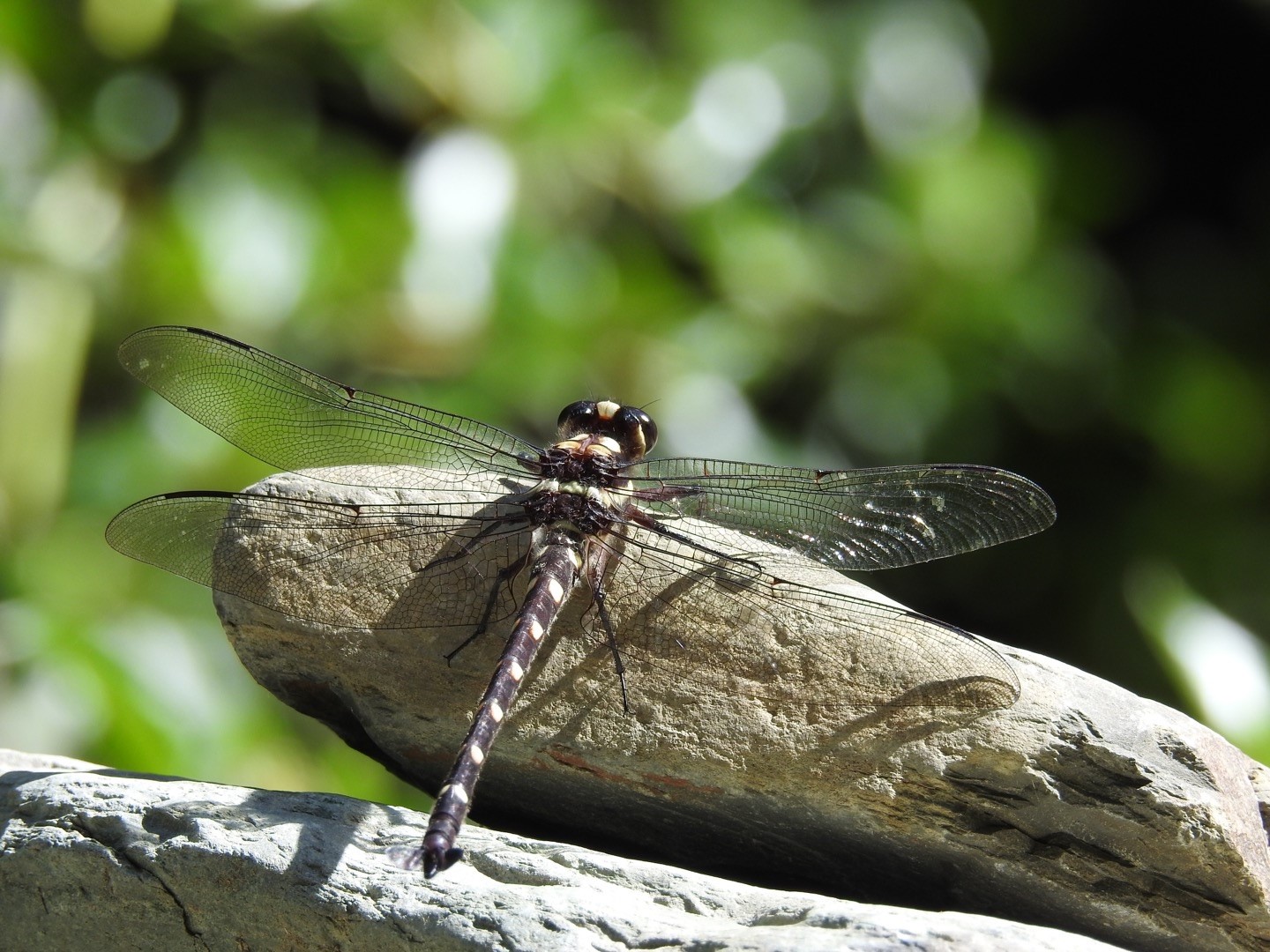


Follow us on Instagram
@brooksanctuary
Share your photos with #brooksanctuary
🌿 Discover the Hidden Valleys of the Sanctuary this October – and save 30%!
Looking for a different way to experience the Brook Waimārama Sanctuary? Join our Hidden Valleys Tour and discover what makes this Sanctuary unique - even the most knowledgeable visitors are surprised by what they learn from our expert guides.
📅 Available Fridays & Sundays during the School Holidays
🎟️ Use promo code: HIDDEN30 for 30% off
👉 Book your Hidden Valleys Tour online:
www.brooksanctuary.org.nz/visit/events-activities
Sep 27


🌿 SANCTUARY SCHOOL HOLIDAYS | 26 SEPT – 11 OCT
Looking for a wild adventure, a little relaxation, or something different these school holidays? Come and explore the Brook Waimārama Sanctuary!
🎉 KIDS UNDER 15 GO FREE!
From 26 September to 11 October, children under 15 can visit the Sanctuary for FREE. Normal admission fees apply to adults and those aged 16+.
🔎 KIDS SCAVENGER HUNT
Keep the little explorers busy with our fun Sanctuary Scavenger Hunt as they discover the forest and its hidden gems.
🌙 25% OFF NIGHT GUIDED TOURS
Experience the Sanctuary after dark and discover what comes alive at night. Use promo code NIGHT25 to save 25% – available until the end of October.
Spaces are limited.
🥾 30% OFF HIDDEN VALLEYS TOURS
Join our special 90-minute Hidden Valleys Tour and discover what makes this Sanctuary unique - Use promo code HIDDEN30 during the school holidays.
🧘 SEATED & WALKING MEDITATION
Take some time to slow down, breathe and connect with the natural environment during a guided seated and walking meditation in the Sanctuary.
📅 Sunday 27 September | 9am–10am
📅 Sunday 11 October | 9am–10am
👉 Check out our Events & Activities page on our website for further details!
www.brooksanctuary.org.nz/visit/events-activities
Come explore, discover, connect and unwind in the wild these school holidays. 🌿
#brookwaimāramasanctuary #nelsontasman #schoolholidays #nelson #kidsfun #adventure #naturenz
Sep 25

🔎 Volunteer Opportunity – Join Our Fence Inspection Team!
We’re looking for a few more volunteers to join our Fence Inspection Team and help play an important role in protecting the Sanctuary and keeping our pest-proof fence in top condition.
We’re particularly interested in hearing from someone with 4x4 driving experience, as some areas of the fence are accessed via challenging terrain.
If you enjoy the outdoors, getting stuck in, and supporting conservation, we’d love to hear from you!
👉 Find out more and register your interest: www.brooksanctuary.org.nz/support-us/become-a-sanctuary-volunteer
Your time and skills can make a real difference in looking after the
#Volunteer #BrookWaimāramaSanctuary #Conservation #Nelson #VolunteerOpportunity #ProtectOurWildlife
Sep 21

What an amazing team at @mdoutdoorsnz!
A huge thank you to the team at MD Outdoors for supporting the Sanctuary through their Great Outdoor Quiz Night at The Boathouse, Nelson which raised an incredible $1,700+ for the Sanctuary! 🤗
Some of our amazing volunteers also joined in to show their support — a fantastic effort from everyone! And congratulations to Team Randy Rampage for taking out the win!
We’re incredibly grateful for the support of our community and everyone who helped make the night such a success. 🌳
Make sure you pop into @mdoutdoorsnz store in Nelson City for all your outdoor needs — their gear certainly comes in handy when exploring the Sanctuary!
Sep 18

🌿 Celebrating Our Incredible Volunteers 💚
At Brook Waimārama Sanctuary, our volunteers are at the heart of everything we do.
Every year, our incredible volunteers contribute more than 25,000 hours of volunteer mahi, helping with everything from fence repairs and pest control to monitoring, track maintenance, visitor experiences, field support, events, bird counts and countless jobs behind the scenes — even jumping into the moa suit!
But it’s not just their time and skills they generously share. Some of our volunteers also go the extra mile by providing in-kind donations, from cushions and beanies to homemade jams and other wonderful contributions that help support the Sanctuary in so many different ways.
Their contribution has a direct impact on our ability to provide a safe haven for native wildlife, protect and restore this beautiful ngahere, and create meaningful experiences for our community and visitors.
We are incredibly grateful for the passion, commitment, creativity and enthusiasm our volunteers bring to the Sanctuary.
Thank you to every volunteer who gives their time, gets stuck in and finds ways to help make a difference. The Sanctuary simply wouldn’t be the same without you.
Ever thought of volunteering, you can sign up today - www.brooksanctuary.org.nz/support-us/become-a-sanctuary-volunteer
Sep 16

Rare tree discovered in the Sanctuary
During our annual kākāriki karaka survey, Biodiversity Ranger Chelsea spotted a small raukawa sapling, a species not yet recorded in the Sanctuary. Biodiversity Ranger Henry accompanied Chelsea to the site and together they managed to locate several adult and juvenile plants. This find is significant as this species has become exceptionally rare in the region.
Raukawa is a tree whose large shiny leaves are delicious to possums and deer. Raukawa was recently moved from ‘Not Threatened’ to the threat category of ‘At Risk - Declining’. This reflects its increasing rarity of this species nationally, however, the threat status of the plant locally in eastern Nelson is probably quite worse.
Within the ranges surrounding the Sanctuary, raukawa is scarce. Where raukawa still does persist, it does so under constant threat of destruction.
The Sanctuary is free of pest mammals*, and in turn has become a refuge for historically common plants like orchids, mistletoes and palatable trees like raukawa.
The leaves are large, thick and glossy, and as juveniles, come in sets of three leaflets. The juvenile leaves are distinctively lobed/ deeply toothed. Once an adult, leaves are produced singly with an entire margin that undulates like a crinkled chip. Raukawa are both male and female at the same time, but not like most plants. Inflorescences(clusters of flowers) of raukawa contain a mixture of separate male and female flowers. This cleverly separates their sexes spatially which may help them to avoid self pollination.
Raukawa is what is called a facultative epiphyte. This means that it has the capacity to begin its life in a tree, in this case tree ferns like kātote and ponga. This ability once kept them out of reach of the giant moa. Eventually their root reaches the ground and then forms a trunk, at which point the raukawa slowly outgrows its host, becoming reasonably large.
This find embodies the natural wonder that is beneath the surface of the Sanctuary. And, the importance of the Sanctuary, not just for birds, but for plants, lizards, invertebrates and habitats and communities as a whole.
#nativeplants #rareplant
Sep 9
